Brown Eggs vs White Eggs: What’s the Real Difference?

Brown eggs vs white eggs nutrition comparison. Does shell color affect protein or vitamins? We break down the calories, cost, and best choice for your diet.

Brown Eggs vs White Eggs: What’s the Real Difference?

Walk into any grocery store dairy aisle, and you are immediately faced with a choice. On one side, you have the classic, pristine cartons of white eggs. On the other hand, stacks of rustic-looking brown eggs, often accompanied by a higher price tag and buzzwords like “farm-fresh” or “organic.”

For decades, consumers have debated the brown eggs vs white eggs dilemma. Is the difference purely cosmetic? Are brown eggs healthier? Or are we simply paying extra for a different color shell?

For many, the brown egg has become a symbol of health, natural living, and culinary superiority. Conversely, the white egg is often viewed as the standard, industrial option. But does science back this up?

In this definitive guide, we will peel back the shell on the brown eggs vs white eggs difference. We will explore the genetics behind the color, analyze the nutritional profiles side-by-side, and investigate price discrepancies. 

And determine once and for all what are brown eggs vs white eggs are really made of. Whether you are a bodybuilder looking for the best protein source, a home baker seeking the perfect yolk, or a budget-conscious shopper, this guide has the answer.

What Is the Difference Between Brown Eggs and White Eggs?

brown eggs vs white eggs protein

When asking what is the difference between brown eggs and white eggs, the answer is surprisingly simple, yet often misunderstood.

The Shell Color Difference

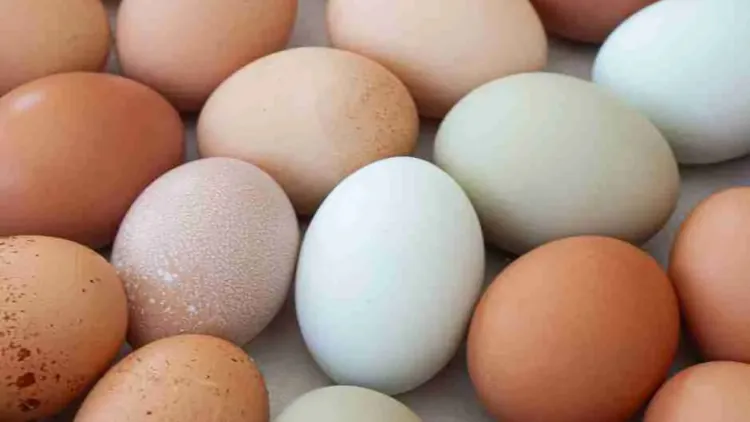
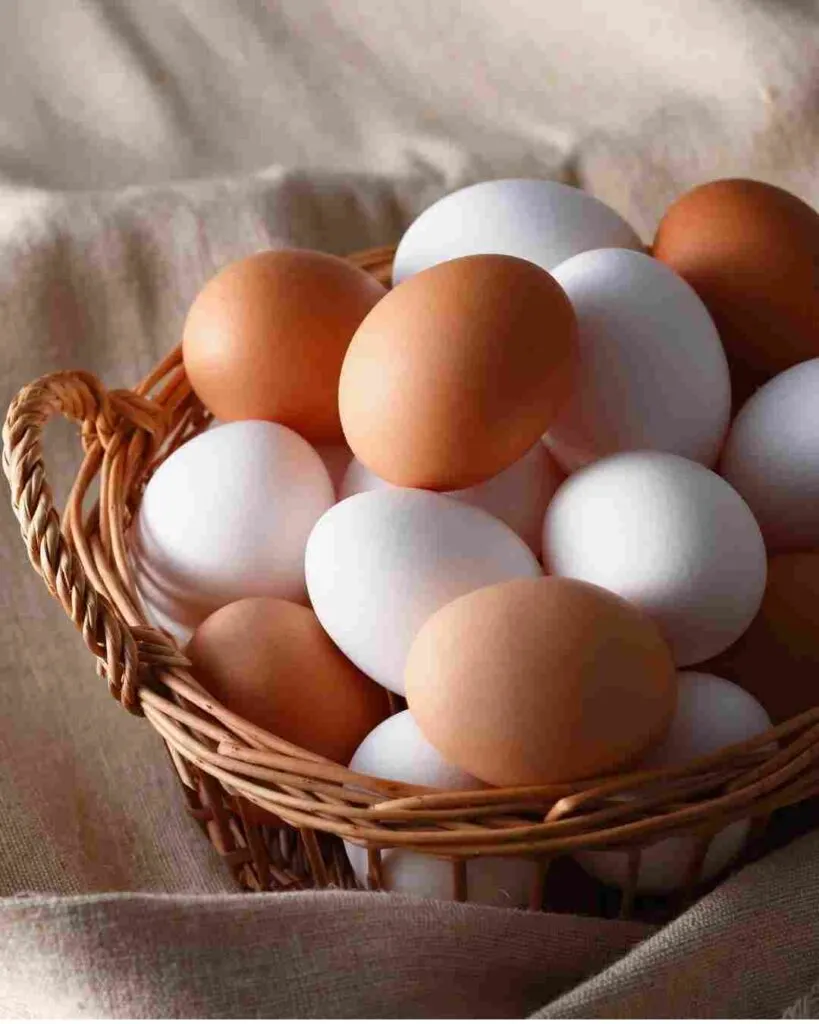
The primary brown eggs vs white eggs lies entirely in the shell. It is a cosmetic difference determined by genetics, not nutrition or quality. Think of it like human hair color. 

A person with brown hair isn’t inherently different physiologically from a person with blonde hair. Similarly, a brown egg and a white egg are essentially the same product packaged in different wrappers.

Inside-the-Egg Similarities

If you were to crack a brown egg and a white egg into a bowl blindfolded, you would be unable to tell the white eggs vs brown difference. Both contain:

  • A clear (or slightly cloudy) albumen (egg white).
  • A yellow to orange yolk.
  • The same structural components: chalazae, air cell, and membranes.

The structural integrity of the shell might vary slightly based on the age of the hen—younger hens tend to lay eggs with harder shells—but the color itself does not make the shell thicker or thinner.

Visual vs. Nutritional Myths

A pervasive myth suggests that brown eggs include a richer taste or better nutrients. This misconception likely stems from association. Because brown eggs are often sold as “organic” or “free-range,” consumers associate the shell color with the farming practice. 

However, a commercially farmed brown egg is nutritionally identical to a commercially farmed white egg. The color of the shell tells you nothing about the quality of the egg inside; it only tells you about the breed of the hen that laid it.

Why Are Eggs Brown vs White?

If the inside is the same, why are eggs brown vs white? The answer lies in the biology of the hen and the fascinating process of egg formation.

Genetics and Pigments

What causes brown eggs vs white eggs? It comes down to genetics. All eggs start with white shells. The shell is made primarily of calcium carbonate, which is naturally white.

The color is applied late in the egg-laying process.

  1. White Eggs: The egg forms, the shell hardens, and it is laid without any pigment being added.
  2. Brown Eggs: During the final stages of the egg’s journey through the hen’s oviduct (specifically in the shell gland pouch), the hen deposits a pigment called protoporphyrin IX. This pigment is derived from hemoglobin (blood) and coats the outside of the calcium carbonate shell.

This explains why some eggs are brown vs white. If you scratch the surface of a brown egg, you might reveal the white shell underneath, proving the color is just a surface “paint.”

Rare Colors: Blue and Green

While we are focusing on why are eggs white vs brown, it is worth noting that some chickens (like the Araucana) lay blue or green eggs. This is caused by a different pigment called oocyanin. 

Unlike the brown pigment, which coats the outside, oocyanin permeates the entire shell structure, making the egg blue on the inside of the shell as well.

No Link to Nutrition

What makes eggs brown vs white has absolutely zero connection to the nutritional content. The deposition of protoporphyrin is a biological directive, not a nutritional transfer. A hen does not pump more vitamins into an egg just because she is painting it brown.

Brown egg color meaning:

In summary, the color is a genetic marker of the breed, not a nutritional label.

What Chickens Lay Brown Eggs vs White Eggs?

brown eggs vs white eggs which is healthier

To understand the product, you must understand the producer. What chickens lay brown eggs vs white eggs is a question of breed heritage.

The Ear-Lobe Rule

There is a general rule of thumb for predicting egg color: look at the chicken’s earlobes.

  • White Earlobes: typically lay white eggs.
  • Red Earlobes: typically lay brown eggs.

While there are exceptions to every rule in nature, this holds for most commercial breeds.

Chicken Breed Chart

Egg ColorCommon BreedsCharacteristics
White EggsWhite LeghornSmall, energetic, highly efficient feed-to-egg converters. The standard for US industrial farming.
Brown EggsRhode Island RedLarger, dual-purpose birds (meat and eggs), hardy, friendly.
Brown EggsPlymouth RockBarred feathers, docile, popular in backyard coops.
Brown EggsSussexBritish breed, excellent foragers.

Why Are American Eggs White?

You might wonder why American eggs are white while eggs in Europe are often brown.

In the United States, the white Leghorn chicken became the industry standard decades ago. Leghorns are smaller birds, meaning they eat less food while producing the same amount of eggs. This made white eggs cheaper to produce and, consequently, cheaper for the consumer.

In contrast, consumers in parts of Europe and New England preferred the brown eggs laid by larger breeds like the Rhode Island Red. 

Over time, this regional preference dictated the market. Today, the rise of “natural” marketing has brought brown eggs back into prominence in the US, but the White Leghorn remains the queen of efficiency.

Brown Eggs vs White Eggs Nutrition Comparison

This is the core concern for the health-conscious reader: brown eggs vs white eggs nutrition. Let’s dispel the rumors with hard data.

The Nutritional Verdict

When comparing brown eggs vs white eggs nutrition facts, scientific analysis shows that there is no significant nutritional difference between the two based on shell color alone.

Whether the shell is pearl white or deep mahogany, the egg provides the same powerhouse of nutrients.

Detailed Comparison Table (Large Egg, ~50g)

NutrientWhite EggBrown Egg
Calories~72 kcal~72 kcal
Protein6.3 g6.3 g
Total Fat4.8 g4.8 g
Cholesterol185 mg185 mg
Carbohydrates<1 g<1 g
Vitamin D~41 IU~41 IU
Vitamin B12~0.4 mcg~0.4 mcg

Brown Eggs vs White Eggs Calories

As seen above, the brown eggs vs white eggs calorie count is identical. Any slight variation is due to the size of the egg (Medium, Large, Jumbo) rather than the color. A Jumbo white egg will have more calories than a Large brown egg, and vice versa.

Brown Eggs vs White Eggs Protein

Brown eggs vs white eggs taste

For fitness enthusiasts asking about the protein difference between brown and white eggs, the answer is a tie. Both provide approximately 6 grams of high-quality, complete protein containing all nine essential amino acids.

Where Real Nutritional Differences Come From

If shell color doesn’t change nutrition, what does? The Hen’s Diet.

If a chicken (white or brown layer) is fed a diet fortified with flaxseed, the egg will be higher in Omega-3 fatty acids. If a chicken is pasture-raised and eats bugs and grass, the egg may have higher levels of Vitamin E and Beta Carotene.

Key Takeaway: When looking for brown eggs vs white eggs nutritional differences, stop looking at the shell and start reading the carton for “Omega-3 Enriched” or “Pasture-Raised.

Brown Eggs vs White Eggs: Which Is Healthier?

The question brown eggs vs white eggs which is healthier is one of the most frequently typed queries in search engines.

Scientific Consensus

There is no scientific evidence to suggest that brown eggs are really healthier than white eggs.

  • Macro-nutrients: Identical.
  • Micro-nutrients: Identical (assuming standard feed).
  • Safety: Identical.

Is Brown Egg Better Than White Egg?

The perception that brown egg is better than white egg is largely a triumph of marketing. In the consumer mindset, “Brown” often equals “Whole Wheat,” “Unprocessed,” or “Natural.” White is associated with “Bleached” or “refined” (like white bread or white sugar).

While this logic applies to grains (where the brown bran is removed to make white flour), it does not apply to eggs. An egg is not refined; it comes out of the chicken in that color. A white egg is just as “natural” and “whole” as a brown one.

Which Color Egg Is The Healthiest?

If you are strictly asking which color egg is the healthiest, the answer is: Neither.

However, if you frame the question as “Which type of egg is healthiest?”, the answer is usually Pasture-Raised, regardless of whether the shell is white or brown. 

Pasture-raised hens have access to sunshine and varied diets, which can boost Vitamin D and folate levels. Since most pasture-raised breeds happen to be brown layers, people conflate the shell color with the health benefits of the farming method.

Brown Eggs vs White Eggs Yolk Differences

Have you ever cracked a brown egg and noticed a deep, rich orange yolk, then cracked a white egg and seen a pale yellow one? This leads many to search for brown eggs vs white eggs yolk differences.

Yolk Color vs. Shell Color

There is no direct link between the shell color and the yolk color.

  • A white egg can have a deep orange yolk.
  • A brown egg can have a pale yellow yolk.

What determines yolk color?

The hen’s diet. Specifically, carotenoids.

  • Pale Yellow Yolk: Hen fed a diet of wheat or barley.
  • Medium Yellow Yolk: Hen fed a standard diet of corn and soy.
  • Deep Orange Yolk: Hen fed a diet rich in xanthophylls (marigold petals, alfalfa, corn, or added supplements).

Healthier Brown Eggs vs White Eggs Yolk?

Many consumers believe a darker yolk means a healthier brown eggs vs white eggs yolk. While a dark orange yolk indicates the presence of carotenoids (which are antioxidants), it does not necessarily mean the egg has more protein or healthy fats.

However, because brown eggs are often marketed as “free-range” or “premium,” farmers of brown layers are more likely to feed them higher-quality diets that produce richer yolks to meet consumer expectations. This reinforces the brown egg color difference myth.

Brown Eggs vs White Eggs Taste: Is There Any Difference?

This is the subjective battleground: brown eggs vs white eggs taste.

Do Brown Eggs Taste Any Different Than White Eggs?

If you ask a grandmother who grew up on a farm, she might swear brown eggs taste “eggier” or richer.

If you ask a food scientist, they will tell you: No.

Blind Taste Test Findings

In controlled blind taste tests where participants are given scrambled or boiled eggs without seeing the shells, the vast majority cannot distinguish between brown and white eggs. When the chickens are fed the exact same diet, the eggs taste identical.

Why do we think they taste different?

  1. Diet: As mentioned, brown layers are sometimes fed different diets. A hen eating bugs and grass (often brown layers) will produce an egg that tastes different from a hen eating processed corn mash (often white layers). The difference is the diet, not the shell.
  2. Freshness: Brown eggs are often sourced locally or from smaller farms, meaning they might reach your plate faster than industrial white eggs. Fresher eggs generally taste better.

Why Do Chefs Use Brown Eggs?

You might wonder why do chefs use brown eggs in some high-end kitchens.

  • Aesthetics: If the egg is served in the shell (like a soft-boiled egg), brown provides a rustic, artisanal look.
  • Perception: Chefs know that customers perceive brown eggs as higher quality.
  • Local Sourcing: Farm-to-table restaurants buy from local farmers who typically raise brown-laying breeds.

Brown Eggs vs White Eggs Price Comparison

If they are nutritionally identical, why the price gap? The brown eggs vs white eggs price difference can be significant, with brown eggs sometimes costing 2x or 3x more than white ones.

Why Are Brown Eggs More Expensive?

The answer to why are brown eggs more expensive comes down to agricultural economics.

  1. Size of the Bird: Brown-laying breeds (like Rhode Island Reds) are physically larger than white-laying breeds (Leghorns).
  2. Feed Costs: Because the birds are larger, they require more food to maintain their body weight and produce eggs. Feed is the number one cost in egg farming.
  3. Efficiency: White Leghorns are genetically optimized for maximum output with minimum input.

Why Are White Eggs Cheaper Than Brown Eggs?

Why are white eggs cheaper than brown eggs? Simply because they are cheaper to produce. The industrial efficiency of the white laying breeds allows farmers to sell the eggs at a lower price point while maintaining margins.

Market Demand

There is also a “premium tax.” Because consumers are willing to pay more for the perceived health benefits of brown eggs, retailers price them accordingly.

Organic & Cage-Free Brown Eggs vs White Eggs

The terms “Organic,” “Cage-Free,” and “Free-Range” often muddy the waters of the brown eggs vs white eggs debate.

Organic Brown Eggs vs White Eggs

  • Organic: This refers to the feed. The hens were fed organic, non-GMO feed and had access to the outdoors.
  • Color: You can buy Organic White Eggs and Organic Brown Eggs. However, because the “organic shopper” usually prefers brown eggs, companies rarely produce organic white eggs. It is a marketing decision, not a regulatory one.

Cage Free Brown Eggs vs White Eggs

  • Cage-Free: Hens are not in battery cages but may still be indoors in a barn.
  • Correlation: While most white eggs in the US are conventional (caged), the market is shifting. You can find cage-free white eggs, but cage-free brown eggs are far more common on shelves.

Crucial Point: Do not assume an egg is cage-free just because it is brown. There are massive industrial farms that keep brown-laying hens in cages. Always read the label.

Dyed Brown Eggs vs White Eggs

When Easter rolls around, the dyed brown eggs vs white eggs question arises.

Color Absorption

White eggs are the preferred canvas for dyeing. Their lack of pigment allows the dye to appear vibrant and true to color.

  • Blue Dye on White Egg: Bright Blue.
  • Blue Dye on Brown Egg: Muddy Green/Dark Blue.

Can You Dye Brown Eggs?

Yes! Dyed brown eggs can look beautiful, producing deep, jewel-toned, earthy colors. Red dye on a brown egg creates a rich maroon; yellow creates a golden ochre.

Safety

Whether the shell is white or brown, the shell is porous. If you plan to eat the eggs later, use food-safe dyes. The color of the shell does not affect the safety or the permeability of the dye.

Brown Eggs vs White Eggs Reddit & Popular Myths

The internet is a breeding ground for egg misinformation. A quick search for brown eggs vs white eggs on Reddit reveals countless threads of confusion.

Myth 1: “Brown eggs have harder shells.”

Reddit Reality: Many users claim brown eggs don’t crack as easily.

Fact: Shell hardness is determined by the age of the chicken and calcium in the diet, not the color. Young white hens lay hard shells; old brown hens lay thin shells.

Myth 2: “White eggs are bleached.”

Reddit Reality: A common conspiracy is that white eggs are brown eggs that have been dipped in bleach.

Fact: False. White eggs are naturally white. However, all USDA-graded eggs (white and brown) are washed and sanitized before packaging, which removes the natural protective bloom.

Myth 3: “Brown eggs are better for baking.”

Fact: There is no chemical difference in the protein structure of the whites or yolks that would affect the rise of a soufflé or the crumb of a cake.

Brown Eggs vs White Eggs: Fun & Pop Culture Mentions

The debate has even infiltrated pop culture.

Brown Eggs vs White Eggs Minecraft

In the world of gaming, players often search for brown eggs vs white eggs Minecraft. In the game, chickens lay eggs that can be thrown to spawn chicks or used in cake recipes.

  • Fun Fact: In Minecraft, there is no functional difference. An egg is an egg. However, texture packs and mods often introduce brown eggs to add visual variety to virtual farms.

The Instagram Egg

Remember the “World Record Egg” that broke Instagram likes? It was a brown egg. This highlights the cultural aesthetic preference; a brown egg is seen as “iconic” and “rustic,” while a white egg is seen as “generic.”

Frequently Asked Questions

Q: Which eggs are better brown or white?

A: Neither is “better.” They are nutritionally identical. If you prioritize budget, choose white. If you prioritize larger breeds or specific farming practices often associated with brown eggs (like pasture-raised), choose those, but check the label first.

Q: What makes eggs white vs brown?

A: Genetics. Hens with white earlobes generally lay white eggs. Hens with red earlobes generally lay brown eggs. The brown color comes from a pigment called protoporphyrin added late in the laying process.

Q: Why are some eggs brown and white?

A: It depends on the breed of the chicken. Just as different dog breeds have different fur colors, different chicken breeds lay different colored eggs.

Q: Are brown eggs healthier than white eggs?

A: No. A standard brown egg has the same protein, fat, and vitamin content as a standard white egg. Nutritional value is determined by the hen’s diet, not her feather or shell color.

Q: What is brown eggs vs white eggs?

A: It is a comparison of eggs from different breeds of chickens. The difference is purely cosmetic (shell color) and economic (price), with no impact on taste or nutrition.

Final Verdict: Brown Eggs vs White Eggs – Which Should You Choose?

After analyzing the genetics, nutrition, price, and culinary properties, the conclusion of the brown eggs vs white eggs comparison is clear.

The shell color does not matter.

  • White Eggs: If you are budget-conscious, need eggs for everyday baking, or want vibrant Easter eggs. You are getting the exact same high-quality protein for a lower price.
  • Brown Eggs: If you prefer the aesthetic, want to support farmers who raise larger heritage breeds, or if the specific brand of brown eggs offers other benefits (like Omega-3 enrichment or pasture-raised certification).

Which eggs are better brown or white?

Ultimately, the best egg is a fresh egg. Don’t judge the egg by its shell. Instead, judge it by the farming practices listed on the carton. If you want a healthier egg, ignore the color and look for “Pasture-Raised.” If you want a standard egg, save your money and buy the white ones.

In the great debate of brown eggs vs white eggs, it turns out we’ve been arguing over the packaging, not the product.

References

1. Genetics & Shell Color

These sources confirm that shell color is determined by the breed of the chicken (genetics) and the pigment protoporphyrin IX, not by the nutritional quality of the egg.

2. Nutritional Equivalence

These government and medical sources verify that the protein, calorie, and vitamin content is identical between brown and white eggs.

3. Price & Production Costs

This source explains the economic factors (larger hens requiring more feed) that cause brown eggs to be more expensive than white eggs.

4. Taste & Culinary Use

Culinary experts confirm that without the visual cue of the shell, the taste is indistinguishable.