How Many Calories Are in a Tomato? Complete Nutrition & Calorie Guide
How many calories are in a tomato? A medium tomato has just 22 calories. We break down the exact calorie counts for cherry, Roma, large, and cooked tomatoes — plus why tomatoes are one of the best weight-loss foods you can eat.
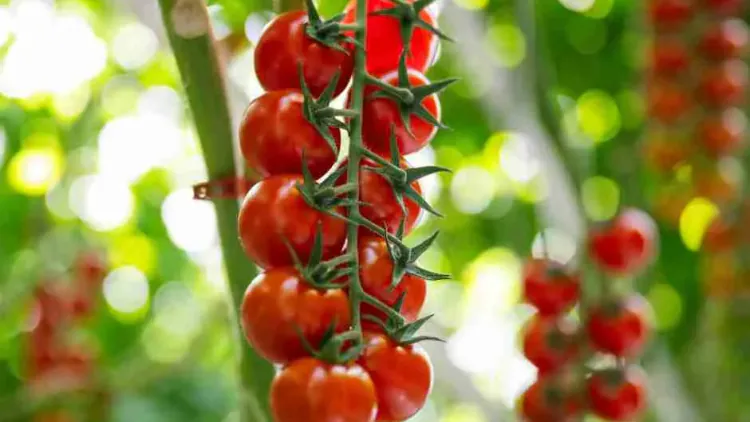
If you are tracking calories or building a weight-loss plan, tomatoes belong near the top of your grocery list. A typical medium tomato contains just 22 calories and that's not a rounding error. Tomatoes are about 95% water, which means you get a substantial, filling food with almost nothing on the calorie counter.
But the exact number varies by size and preparation method. A handful of cherry tomatoes eaten as a snack is negligible. Sun-dried tomatoes by the tablespoon add up fast. Tomato paste is concentrated. And tomato soup with cream is a completely different animal. This guide gives you the real numbers across every common form so you are never guessing at meal planning.
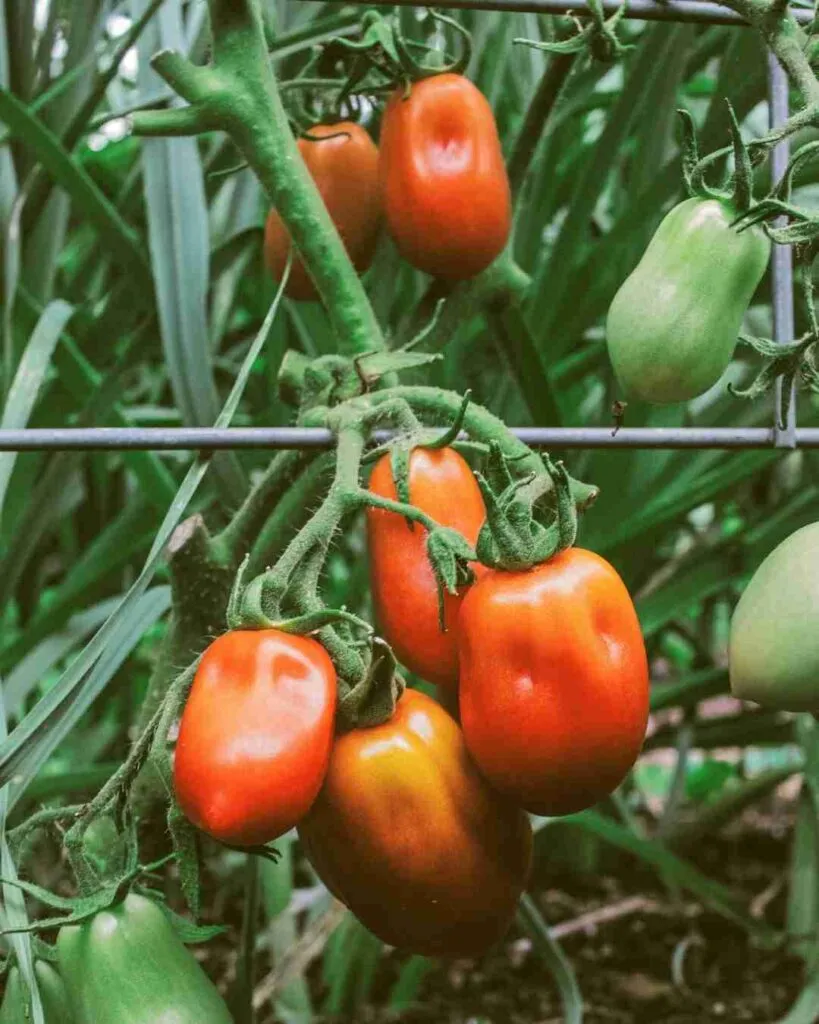
Calories by Raw Tomato Size
Quick reference:
- Cherry or grape tomato (1 piece, ~17g): ~3 calories
- Plum/Roma tomato (~62g): ~11 calories
- Medium vine tomato (~123g): ~22 calories
- Large beefsteak (~182g): ~33 calories
- Extra-large (~245g): ~45 calories
A whole cup of cherry tomatoes (~149g) comes in at about 27 calories. That's an impressive volume of food for essentially zero caloric cost.
Calories by Tomato Variety
Most tomato varieties land between 15–22 calories per 100g, with some variation:
- Roma/plum: ~18 kcal/100g meatier, lower water content, slightly denser
- Cherry/grape: ~18 kcal/100g tiny but calorie-similar per gram to larger types
- Standard red vine: ~18 kcal/100g the classic baseline
- Yellow/orange heirloom: ~16–18 kcal/100g slightly sweeter, similar calories
- Green tomatoes: ~23 kcal/100g firmer, slightly higher in carbs
Standard Nutrition Per 100g Raw Tomato
- Calories: 18 kcal
- Water: 94.5g
- Carbohydrates: 3.9g (sugars: 2.6g)
- Fiber: 1.2g
- Protein: 0.9g
- Fat: 0.2g
- Vitamin C: 14mg (~16% DV)
- Potassium: 237mg (~5% DV)
- Lycopene: 2,573mcg a powerful antioxidant associated with reduced cancer and cardiovascular risk
- Folate, vitamin K, vitamin A, B6 all present in smaller but meaningful amounts
The nutritional density per calorie is genuinely impressive. Very few foods provide this combination of vitamin C, lycopene, potassium, and antioxidants at only 18 calories per 100g.
Calories in Cooked and Processed Tomato Products
Key watch-out: sun-dried tomatoes are dramatically more calorie-dense than fresh. The drying process removes nearly all the water, concentrating the sugars, calories, and nutrients into a tiny volume. One tablespoon of oil-packed sun-dried tomatoes can contain 50–70 calories easy to dramatically overestimate or underestimate.
Tomato paste similarly concentrates: 2 tablespoons = ~30 calories (versus roughly 18 calories in a whole medium fresh tomato). It's still low-calorie but requires portion awareness.
Why Tomatoes Are Outstanding for Weight Loss
Three specific properties make tomatoes genuinely excellent for weight management:
- Extremely low calorie density: At 18 kcal/100g, tomatoes are one of the lowest-calorie whole foods. You can eat a very large volume for very few calories, which contributes to physical fullness and satiety.
- High water content: 94–95% water adds volume and promotes stomach fullness without adding calories the same mechanism that makes broth-based soups effective for appetite management.
- Fiber: 1.2g per 100g slows digestion, stabilizes blood sugar, and feeds beneficial gut bacteria all factors that support healthy weight management over time.
Adding sliced tomatoes to meals, using them as a base in soups and sauces, or snacking on cherry tomatoes instead of crackers are all practical, low-effort ways to increase food volume and nutrient density while keeping calories in check.
Frequently Asked Questions
How many calories in a whole tomato?
It depends on size: roughly 11 calories for a Roma tomato, 22 for a medium tomato, and 33 for a large beefsteak.
Do cherry tomatoes have more calories than regular tomatoes?
No calorie density per gram is similar (about 18 kcal/100g for both). Individual cherry tomatoes are just much smaller, so they have fewer calories per piece.
Does cooking a tomato change its calories?
Minimally for macros. However, if you cook tomatoes with oil, sauce, or other added ingredients, the overall dish calorie count changes significantly. Roasting tomatoes concentrates some calories as water evaporates, but the change is modest.
Are canned tomatoes different in calories from fresh?
Canned whole tomatoes in juice: roughly 20–25 kcal/100g comparable to fresh. Canned tomatoes in heavy sauce or with added sugar: check the label, as these can be significantly higher.
Eat Healthy, Live Well