Is Thai Food Healthy? Guide to Benefits, Risks, Weight Loss, and Best Choices

Is Thai food healthy or unhealthy? Learn the benefits, calories, weight-loss tips, diabetic-friendly options, and the healthiest Thai food to order or cook at home.

Is Thai Food Healthy? Guide to Benefits, Risks, Weight Loss, and Best Choices

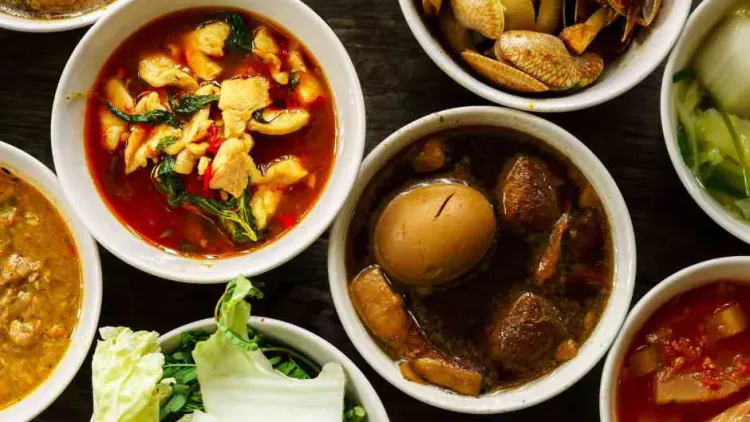
Thai cuisine is a global favorite, renowned for its explosive balance of five fundamental flavors: sweet, spicy, sour, bitter, and salty. But as you stare at a menu filled with rich curries, fried noodles, and fresh salads, a common question arises: Is Thai food healthy?

The answer is not a simple yes or no—it depends entirely on what you order and how it is prepared. Generally speaking, is Thai food healthy for you? Yes. Traditional Thai cuisine is rooted in fresh vegetables, lean proteins, seafood, and arguably the most potent arsenal of anti-inflammatory herbs and spices in the world. Dishes like clear soups and salads are nutritional powerhouses.

However, the Westernized version of Thai food often tips the scales in the other direction. Heavy coconut milk curries loaded with sugar, deep-fried appetizers, and sodium-rich stir-fries can turn a healthy meal into a calorie bomb.

In this guide, we will explore is Thai food good for your specific diet, whether that’s weight loss, diabetes management, or general wellness. You will learn is Thai food healthy to eat daily, which dishes are the hidden champions of nutrition, and exactly what to avoid to keep your meal light and energizing.

Why Is Thai Food Healthy?

When we ask why is Thai food healthy, we have to look past the calories and macronutrients to the ingredients themselves. Thai cuisine is functionally medicinal.

Many of the pastes and broths used as bases for dishes were originally designed to aid digestion, boost immunity, and fight inflammation.

The Power of Fresh Herbs and Spices

The primary driver of Thai food health benefits is its reliance on fresh—not dried—herbs.

What is the healthiest Thai food
  • Lemongrass: A staple in soups like Tom Yum, lemongrass has been shown to have anti-fungal and antioxidant properties. It aids in detoxifying the liver and pancreas.
  • Galangal: A relative of ginger, galangal is a digestion aid and an anti-inflammatory agent often used to treat stomach aches and reduce inflammation in the body.
  • Thai Basil: Distinct from Italian basil, this herb is rich in antioxidants and has strong antibacterial properties.
  • Turmeric: Found in yellow curries, turmeric contains curcumin, a powerful compound known for fighting chronic inflammation.
  • Chili Peppers: Fresh chilies boost metabolism through thermogenesis and are rich in Vitamin C.

High Vegetable Content

Is Thai food healthy for you? Ideally, yes, because it prioritizes plants. Traditional Thai eating styles often feature a large platter of fresh and steamed vegetables served alongside a spicy dip (Nam Prik).

Even stir-fries are often 50% vegetables, providing essential fiber that slows down sugar absorption and keeps you full.

Lean Proteins

Thai cuisine excels at utilizing lean proteins. While pork belly is popular, the vast majority of dishes feature shrimp, squid, white fish, chicken breast, or tofu. This high-protein, low-saturated-fat profile makes it excellent for muscle maintenance without clogging arteries.

Fermented Foods for Gut Health

Fish sauce (Nam Pla) and shrimp paste might smell pungent, but they are fermented products. Fermented foods are excellent for gut health, providing enzymes that aid digestion. When used in moderation, they add depth of flavor without the need for excessive artificial additives.

Thai Food Nutrition Basics: What Makes It Healthy or Unhealthy?

To determine is Thai food healthy or unhealthy for your specific meal, you need to deconstruct the cooking methods and hidden ingredients. The dichotomy of Thai food lies in the preparation.

The Good vs. The Bad

Nutrient FactorThe Healthy SideThe Unhealthy Side
Cooking MethodSteaming, Grilling, Boiling (Soups), Stir-frying with water/broth.Deep-frying (Spring rolls, crispy fish), Stir-frying in excessive vegetable oil.
FatsCoconut milk (in moderation, contains MCTs), nuts, and healthy fish oils.Refined soybean or palm oil used in cheap takeout; excessive full-fat coconut cream.
Flavor ProfileSour (Lime), Spicy (Chili), Salty (Fish Sauce).Sweet (Palm Sugar/White Sugar), Salty (MSG + Soy Sauce overload).

What Is Unhealthy in Thai Food?

When asking what is unhealthy in Thai food, three culprits usually emerge:

  1. Sugar: Thai food balances spice with sweetness. Pad Thai, for example, is often made with significant amounts of palm sugar or brown sugar to achieve that caramelized taste.
  2. Sodium: Fish sauce, soy sauce, and oyster sauce are sodium bombs. A single takeout meal can sometimes exceed the recommended daily sodium limit (2,300mg).
  3. Refined Oils: While traditional cooking might use small amounts of fat, restaurant stir-fries can be swimming in soybean oil to prevent sticking and add sheen.

Is Thai Food Healthy to Eat Every Day?

If you are cooking at home or eating authentic, “street style” food that relies on broth and herbs, is Thai food healthy to eat everyday? Absolutely.

But if “everyday Thai food” means ordering Pad Thai and Green Curry from a takeout spot, you are likely consuming too much sugar and saturated fat for a balanced daily diet.

What Is the Healthiest Thai Food?

Navigating a Thai menu can be overwhelming. If your goal is nutritional density, you need to know what Thai food is the healthiest. These dishes prioritize protein and fiber while minimizing added sugars and heavy creams.

Top Picks for Healthiest Thai Options

Here are the healthiest Thai dishes at restaurants that you should look for:

1. Tom Yum Soup (Clear Broth)

This is arguably the king of healthy Thai dishes. It is a hot and sour soup packed with shrimp, mushrooms, tomatoes, lemongrass, galangal, and lime leaves.

  • Why it’s a winner: It is low-calorie, hydrating, and immune-boosting. Ensure you order the Nam Sai (clear broth) version, not the creamy version with evaporated milk.

2. Som Tam (Green Papaya Salad)

Made from shredded unripe papaya, green beans, tomatoes, peanuts, dried shrimp, lime, and chilies.

  • Why it’s a winner: It is fat-free (mostly), high in fiber, and rich in Vitamin C. It is one of the healthiest Thai food options for an appetizer.

3. Larb (Minced Meat Salad)

Larb is a salad made of minced chicken, pork, or mushrooms, tossed with lime juice, fish sauce, chili, mint, and toasted rice powder.

4. Steamed Fish with Lime and Chili (Pla Kapong Neung Manao)

A whole fish steamed in a broth of lime juice, garlic, and chilies.

5. Pad Pak Boong (Morning Glory Stir-Fry)

Water spinach stir-fried with garlic, chilies, and soybean paste.

  • Why it’s a winner: A delicious way to consume a massive serving of leafy greens.

Tips for Ordering the Healthiest Thai Food

When you want the healthiest Thai food to order, customization is key:

  • Ask for “Less Oil”: Restaurants often use generous scoops of oil for wok frying.
  • Sauce on the Side: For salads or grilled meats, control the dressing yourself.
  • Prioritize Steam: Anything steamed (dumplings, fish, veggies) beats anything fried.

Lowest Calorie Thai Food Options

For calorie counters, Thai food can be a goldmine if you skip the noodles and coconut cream. Here are the lowest calorie thai food options typically found on menus.

Soups vs. Noodle Dishes

A bowl of Tom Yum Goong (Clear) usually clocks in at around 100–150 calories per cup. Compare this to a plate of Pad Thai, which can easily range from 800 to 1,200 calories due to the oil-soaked noodles, peanuts, and sugar.

The Rice Dilemma

Steamed Jasmine rice is a staple, but it is calorie-dense (about 200 calories per cooked cup).

  • Strategy: Skip the fried rice. Stick to a half-cup of steamed rice, or if available, ask for extra steamed vegetables instead of rice. This instantly makes your meal a low calorie Thai food choice.

Calorie-Conscious Sauces

The caloric density in Thai food often hides in the dipping sauces.

  • Avoid: Sweet chili sauce (sugar syrup) and peanut sauce (high fat/sugar).
  • Choose: Nam Jim Seafood (a green chili, garlic, and lime sauce) or plain chili flakes in vinegar (Nam Som). These add massive flavor with near-zero calories.

Vegetable-Forward Meals

Ordering a “Mixed Vegetable Stir-Fry with Tofu” is one of the best healthy Thai food options. Just ensure the sauce isn’t overly thick. Brown sauces tend to be lower in fat than coconut curries, though they may be higher in sodium.

Is Thai Curry Healthy?

This is the most debated category. Is Thai curry healthy? The answer lies in the coconut milk.

The Coconut Milk Paradox

Thai curries (Green, Red, Yellow, Panang, Massaman) rely on coconut milk.

  • The Good: Coconut milk contains medium-chain triglycerides (MCTs), which some studies suggest can boost metabolism. It is also rich, satisfying, and dairy-free.
  • The Bad: It is incredibly calorie-dense and high in saturated fat. A single serving of Green Curry can contain over 40 grams of fat.

Comparing the Curries

  1. Green Curry: Usually the sweetest and fattiest. Often contains the most palm sugar.
  2. Massaman Curry: It contains potatoes and peanuts, making it the highest in carbohydrates and calories.
  3. Red Curry: Often slightly lighter than green, but still rich.
  4. Jungle Curry (Kaeng Pa): Is Thai food healthy for weight loss? If you love curry, this is your answer. Jungle curry is made with water or broth, not coconut milk. It is spicy, herbaceous, and very low in calories.

How to Make Curry Lighter

If you crave the creaminess but want to know is Thai curry healthy for your diet, try this:

  • Eat it as a soup with a small side of protein, rather than pouring it over a mountain of rice.
  • Skim the oil off the top (traditional curries often have a layer of separated coconut oil).
  • Order Jungle Curry or Sour Curry (Kaeng Som) instead.

Is Thai Food Healthy for Weight Loss?

Can I eat Thai food and lose weight?

Many people wonder, “Can I eat Thai food and lose weight?” The answer is a resounding yes—if you treat it as a high-protein, high-vegetable cuisine rather than a noodle-heavy one.

Protein-to-Carb Ratio

Weight loss generally requires a caloric deficit and high satiety. Thai dishes like Moo Yang (Grilled Pork) or Gai Yang (Grilled Chicken) served with Som Tam (Papaya Salad) provide a high-protein meal with complex fibers from the papaya. This combination keeps insulin levels stable and hunger at bay.

Avoiding Hidden Sugars

Is Thai food good for weight loss? Not if you order dishes with “Sweet and Sour” in the name or heavy noodle dishes like Pad See Ew. The dark soy sauce used in Pad See Ew is basically molasses. To lose weight, you must identify and avoid these sugar traps.

Best Thai Foods While Dieting

If you are strictly cutting calories, memorize this order:

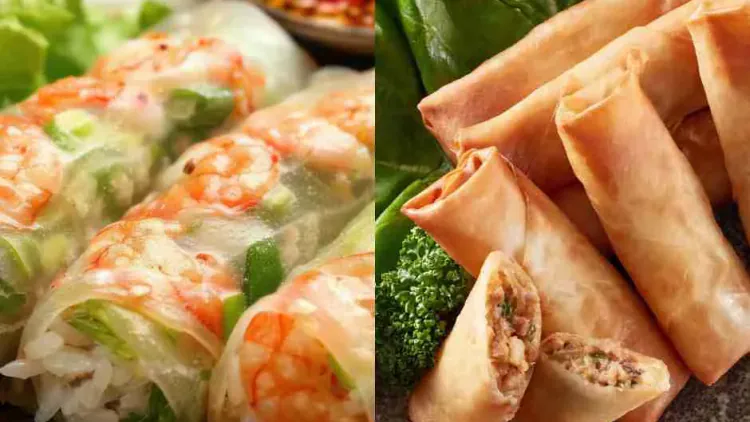
  • Appetizer: Fresh Summer Rolls (not fried spring rolls).
  • Main: Basil Chicken (Pad Kra Pao) – ask for little oil, no sugar, and a fried egg on top for extra protein. Eat half a portion of rice.
  • Drink: Water or unsweetened iced tea (Cha Dam Yen). Avoid Thai Iced Tea, which is loaded with condensed milk.

By focusing on is Thai food healthy for weight loss, you realize it is one of the best “diet” cuisines because the intense flavors (chili, lime, garlic) make “diet food” taste exciting, preventing flavor fatigue.

Is Thai Food Healthy for Diabetics?

For those managing blood sugar, the question is Thai food healthy for diabetics requires caution. The combination of white rice, sugary sauces, and noodles can cause significant glucose spikes.

The Glycemic Load

Jasmine rice has a high glycemic index. Sticky rice (glutinous rice) is even higher. Consuming large portions of these can be dangerous for diabetics.

  • Smart Swap: Ask for brown rice (available in some health-conscious Thai spots) or simply skip the rice and double the steamed vegetables.

Sauces to Watch Out For

Many Thai sauces are built on a foundation of palm sugar.

  • Danger Zones: Pad Thai sauce, Tamarind sauce (often sweetened), and Sweet Chili sauce.
  • Safe Zones: Stir-fries with garlic and pepper (Pad Gratiem), Ginger stir-fries (Pad Khing), or clear soups.

Diabetes-Friendly Thai Dishes

Is Thai food healthy to eat everyday for a diabetic? Only if you choose:

  • Pad Khing (Ginger Chicken): Ginger is excellent for blood sugar regulation.
  • Grilled Satay: Meat on a stick is a safe protein source, but go easy on the peanut dipping sauce.
  • Larb: Eaten with lettuce wraps, this is a perfect low-carb, high-protein meal.

Is Thai Food Healthy to Eat Every Day?

We often view takeout as a “treat,” but in Thailand, this is daily sustenance. Is thai food healthy to eat everyday?

Nutrient Variety

One of the biggest strengths of Thai cuisine is variety. If you rotate your dishes—fish on Monday, clear soup on Tuesday, curry on Wednesday—you get a broad spectrum of vitamins (A, C, K from herbs and veggies) and minerals.

The Sodium Concern

The main barrier to eating restaurant Thai food daily is sodium. Fish sauce and MSG are ubiquitous. Consuming 3,000mg+ of sodium daily can lead to hypertension and bloating.

  • Solution: Cook at home where you control the fish sauce, or find a restaurant that advertises “No MSG” and low-sodium options.

Homemade vs. Restaurant

If you make Thai food at home, is Thai food healthy to eat? Yes, completely. You can use olive oil instead of soybean oil, reduce sugar by 75% (or use stevia/monk fruit), and load up on organic vegetables.

Healthiest Thai Food Takeout & Delivery Choices

It’s Friday night, and you want to order in. How do you find the healthiest Thai food takeout without ruining your diet?

Best Takeout Dishes

When scanning a delivery app for Thai food delivery menu healthy choices, look for these keywords:

  • “Steamed”
  • “Grilled”
  • “Clear Broth”
  • “Spicy Salad” (Yum)

What to Request When Ordering

Don’t be afraid to add notes to your order. Most Thai kitchens cook to order and can accommodate:

  • “Sauce on the side, please.” (Especially for salads).
  • “Light oil.”
  • “No sugar added.”
  • “Extra broccoli/vegetables instead of rice.”

The Sauce-on-the-Side Strategy

Ordering Thai food that delivers healthy usually fails because the food sits in the sauce during transit, absorbing all the sugar and sodium. By getting the sauce on the side, you control the portion. You will find that a few teaspoons give you all the flavor you need without the calorie drench.

Healthy Thai Recipes to Make at Home

Healthy Thai Recipes to Make at Home

The best way to ensure you have healthy Thai food options is to control the kitchen. Here are simple concepts for home cooking.

Light Thai Basil Chicken (Pad Kra Pao)

Use ground lean chicken or turkey. Sauté garlic and fresh chilies in a teaspoon of avocado oil. Add the meat, a splash of low-sodium soy sauce, a splash of fish sauce, and a handful of holy basil. Skip the sugar entirely.

Clear Thai Soup (Tom Jued)

Boil chicken broth with celery, onions, carrots, and glass noodles (mung bean noodles). Add soft tofu and minced chicken balls. Season with white pepper and cilantro. This is the ultimate comfort food and arguably the healthiest Thai recipe for when you are sick.

Low-Sugar Peanut Sauce

Mix natural peanut butter (no sugar added), lime juice, soy sauce, and a dash of cayenne pepper. Thin it out with warm water. This gives you the Satay flavor without the syrup.

Thai vs. Chinese Food: Which Is Healthier?

The battle of the takeouts: which is healthier, Thai or Chinese food?

Cooking Oils

Chinese takeout is notorious for heavy oil usage, particularly in dishes like Lo Mein or General Tso’s Chicken. Thai food can be oily, but it offers more boiled and salad options (Tom Yum, Som Tam) that have zero oil.

Vegetable Usage

Both cuisines use vegetables, but Thai food incorporates raw vegetables (cucumbers, herbs, bean sprouts) more frequently as garnishes and sides. Chinese vegetables are almost always cooked, often in heavy sauces.

Flavor Balance

Thai food relies more on herbs (lemongrass, mint, cilantro) for flavor, whereas Chinese takeout often relies heavily on soy sauce and glazes. Generally, Thai food offers lighter, fresher options if you steer clear of the noodle dishes, while Chinese food is often heavier on starch and breading.

What Reddit Says: Is Thai Food Healthy?

If you search Is Thai food healthy Reddit, you will find a mix of love and caution from the community.

Common Opinions

Most users agree that authentic Thai food is incredibly healthy, citing the fresh herbs and lean meats. However, many Redditors warn about the “Westernization” of the food.

They point out that dishes like Pad Thai in the US are significantly sweeter and larger in portion size than what you would find in Bangkok.

Real-World Habits

A common tip shared on forums is the “Sticky Rice Warning.” Users note that sticky rice is incredibly dense and easy to overeat. The consensus is: Order the soups and salads to stay fit; order the curries and noodles for a cheat meal.

Final Verdict: Is Thai Food Healthy for You?

So, is thai food healthy?

Yes, absolutely. It is one of the few cuisines in the world that manages to make vegetables and lean proteins taste explosive without needing to bread or deep-fry them.

The Thai food health benefits regarding inflammation and digestion are scientifically supported by the ingredients they use.

However, it becomes unhealthy when:

  • You choose deep-fried appetizers.
  • You consume high-sugar curries and noodle dishes daily.
  • You ignore the portion sizes of rice.

Is Thai food healthy for you? If you navigate the menu with the knowledge in this guide—prioritizing soups, salads (Yum and Larb), and steamed dishes—Thai food can be a pillar of a healthy, weight-loss-friendly lifestyle.

FAQ Schema

Is Thai food healthy?

Yes, traditional Thai food is very healthy as it utilizes fresh herbs, spices, lean proteins, and vegetables. However, Westernized takeout can be high in sugar, sodium, and refined oils.

What is the healthiest Thai food?

The healthiest Thai dishes include Tom Yum Soup (clear broth), Som Tam (Papaya Salad), Larb (minced meat salad), steamed fish with lime, and Jungle Curry (water-based curry).

Is Thai curry healthy?

It depends. Coconut milk curries (Green and red) are high in calories and saturated fats. While they contain healthy MCTs, they should be eaten in moderation. Jungle Curry is a healthier, lower-calorie alternative as it uses no coconut milk.

Can I eat Thai food and lose weight?

Yes. Choose high-protein, low-carb options like Satay skewers, clear soups, and salads. Avoid heavy noodle dishes like Pad Thai and limit your intake of rice to support weight loss.

Is Thai food healthy for diabetics?

Thai food can be challenging for diabetics due to the sugar in sauces and high-GI rice. Diabetics should opt for stir-fries with light sauce, clear soups, and avoid sticky rice and sweet noodle dishes.

References

1. Health Benefits of Thai Ingredients

Research confirms the medicinal properties of the “Big 4” Thai herbs: Lemongrass, Galangal, Chili, and Turmeric.

2. Diabetes & Rice (Glycemic Impact)

Data regarding the glycemic index of Jasmine rice vs. other varieties is crucial for the diabetes section.

3. Weight Loss & Healthy Eating Patterns

Evidence comparing traditional vs. modern Thai diets.

4. General Nutritional Analysis