Low Glycemic Fruits: The Ultimate Guide to Blood Sugar Management
Want sweet treats without the sugar spike? Learn what are the low glycemic fruits safe for diabetics. Get the full guide and GI chart here.
In the quest for better health, weight loss, and stable energy, fruit often finds itself in the crosshairs of nutritional debate. “Is fruit too high in sugar?” “Can I eat bananas if I have diabetes?”
These are common questions. The answer lies not just in the sugar content, but in how that food affects your blood sugar levels. This is where low glycemic fruits become your most powerful dietary ally.
What Are Low Glycemic Fruits?
So, what are the low glycemic fruits? Simply put, these are fruits that rank low on the Glycemic Index (GI), a system that ranks foods on a scale from 1 to 100 based on their effect on blood sugar levels.
Unlike high-GI foods that cause a rapid spike in glucose—leading to an insulin crash and cravings—low glycemic fruits digest slowly. They provide a steady release of energy, keeping you full longer and keeping your insulin levels in check.
Understanding what are low glycemic fruits is essential for anyone managing diabetes, pre-diabetes, or simply trying to shed body fat. They allow you to enjoy nature’s sweetness without the metabolic rollercoaster.
Understanding the Glycemic Index of Fruits

To truly master your diet, you need to understand the glycemic index of fruits. Not all sugars are created equal, and the fiber structure of a fruit can dramatically change how your body processes it.
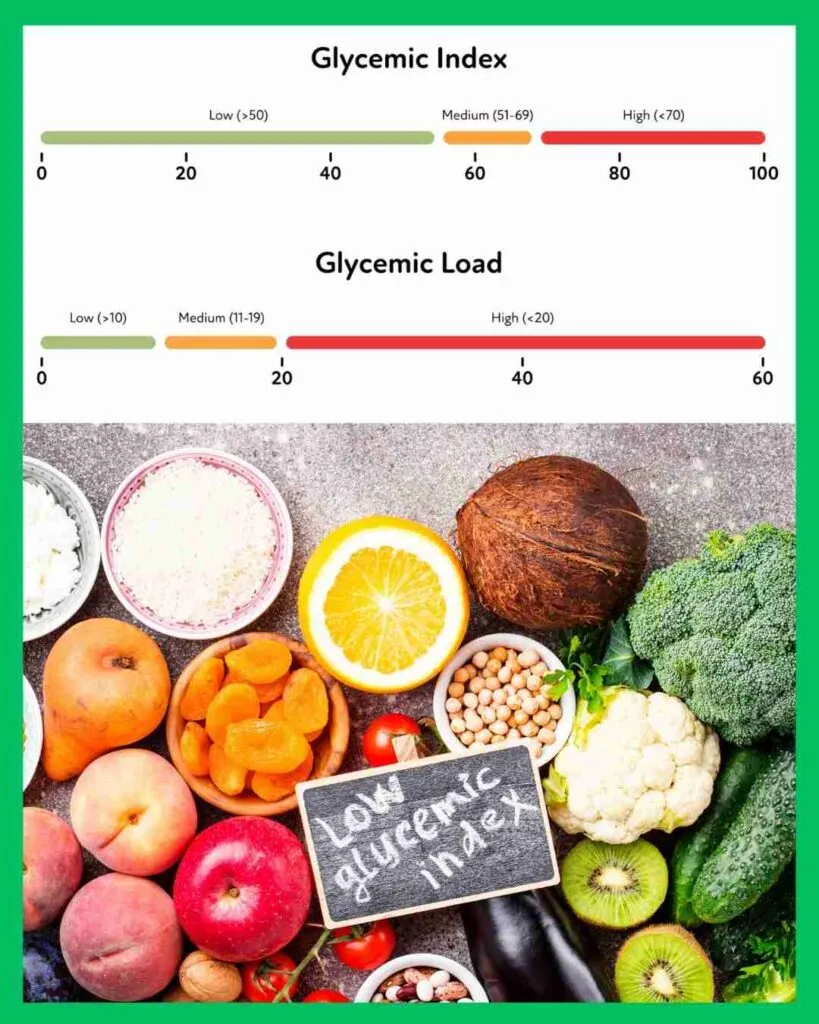
The GI Scale: Low, Medium, High
The Glycemic Index (GI) measures how quickly carbohydrate-containing foods raise blood glucose levels.
- Low GI (0–55): These are digested slowly. They are the gold standard for blood sugar management.
- Medium GI (56–69): Moderate impact. Best consumed in moderation or paired with protein.
- High GI (70+): Rapid digestion. These cause sharp spikes in blood sugar.
Glycemic Index vs. Glycemic Load
When researching what fruits have a low glycemic index, you will also encounter the term “Glycemic Load” (GL). While GI measures the quality of the carb, GL measures the quantity and the real-world impact of a typical serving size.
For example, watermelon has a high GI (it absorbs fast), but a low GL (it is mostly water and has few carbs per slice). For optimal health, focusing on what fruits are low on the glycemic index is a great starting point, but considering the load helps refine your choices.
Why Do Fruits Vary?
Why is an apple a low glycemic fruit while a date is high? It comes down to:
- Fiber Content: Soluble fiber slows down digestion.
- Ripeness: An overripe banana has a higher GI than a green one because the starches have converted to simple sugars.
- Acidity: Acidic fruits (like lemons and grapefruits) tend to empty from the stomach more slowly, lowering their GI.
What Are Low Glycemic Index Fruits?
When we ask what are low glycemic index fruits, we are specifically looking for fruits with a GI score of 55 or less.
These fruits are typically rich in fiber, possess a thicker skin, or contain high water content. Which fruits have low glycemic index values often surprises people.
It isn’t just about how sweet they taste. Some berries taste incredibly sweet but have a very low GI because of their fiber matrix. Conversely, some starchy fruits can rank higher.
Knowing what fruits are low in glycemic index allows you to build a diet that supports insulin sensitivity. This category is the “green light” zone for diabetics and weight watchers. You can generally eat these fruits without fearing a sudden spike in blood glucose.
Low Glycemic Fruits List
If you are looking for a quick shopping guide, here is a low glycemic fruits list featuring the powerhouses of stable energy. These are generally considered safe for daily consumption.
- Cherries (GI: 20–25): The superstar of the lowest glycemic fruits.
- Grapefruit (GI: 25): excellent for metabolism.
- Dried Apricots (GI: 32): Note: Eat in small portions.
- Pears (GI: 38): Eat with the skin for maximum fiber.
- Apples (GI: 39): One of the most accessible low glycemic fruits.
- Plums (GI: 40): Great for digestion.
- Strawberries (GI: 41): Low sugar and high antioxidant.
- Peaches (GI: 42): A sweet treat that won’t spike sugar.
- Oranges (GI: 40–43): High Vitamin C, slow absorption.
- Kiwi (GI: 50): Nutrient-dense superfood.
- Blueberries (GI: 53): Brain food with a low impact.
When searching for the fruit with lowest glycemic index, tart cherries and grapefruit usually fight for the top spot.
Low Glycemic Fruits Chart
To make planning your meals easier, refer to this low glycemic fruits chart. This glycemic index of fruits chart compares the GI, the Glycemic Load (GL) per serving, and the approximate sugar content.Fruit (120g Serving) Glycemic Index (GI) Glycemic Load (GL) Sugar (grams) Cherries (Sour) 22 (Low) 3 (Low) 8g Grapefruit 25 (Low) 3 (Low) 7g Apricots (Fresh) 34 (Low) 3 (Low) 9g Apple (with skin) 36 (Low) 6 (Low) 10g Pear 38 (Low) 4 (Low) 10g Plum 40 (Low) 2 (Low) 8g Strawberry 41 (Low) 3 (Low) 6g Peach 42 (Low) 5 (Low) 8g Orange 43 (Low) 5 (Low) 9g Grapes 45-53 (Low) 11 (Med) 16g Banana (Green) 42-51 (Low) 10 (Med) 12g Mango 51-56 (Low/Med) 8 (Low) 14g Blueberries 53 (Low) 5 (Low) 10g
Note: This low glycemic index fruits chart averages. Ripeness and variety can slightly alter values.
Fruits With the Lowest Glycemic Load
While GI is important, knowing the fruits with lowest glycemic load is arguably more practical for real-world eating. The Glycemic Load accounts for the amount of carbohydrates in a standard serving.
Low sugar and low glycemic fruits like berries are the winners here.
- Avocado: While technically a fruit, it has a GI of almost zero and a GL of zero because it is primarily fat and fiber. It is the fruit lowest in sugar by a wide margin.
- Raspberries: With a GL of just 2 per serving, they are incredibly safe for blood sugar.
- Lemons/Limes: Extremely low sugar; excellent for flavoring water without a glucose spike.
When asking which fruit is lowest in sugar and load combined, Avocados and Raspberries are the definitive answers.
Best Low Glycemic Fruits for Diabetics
Managing diabetes requires strict attention to carbohydrate intake. The low glycemic fruits for diabetics are those that provide essential vitamins without requiring a massive insulin response.
The most diabetic friendly fruit is widely considered to be berries (strawberries, raspberries, blackberries). They are packed with anthocyanins, which not only have a low GI but may actually improve insulin sensitivity.
What fruit does not spike blood sugar?
- Avocados: Minimal impact.
- Tart Cherries: Contains chemicals that may boost insulin efficiency.
- Apples: The pectin in apples blunts the sugar spike.
When selecting fruits with low glycemic index for diabetics, portion control is still key. Even low GI fruits can raise blood sugar if you eat three pounds of them in one sitting.
Low Glycemic Fruits for Weight Loss

Can fruit help you burn fat? Yes. Low glycemic fruits for weight loss work by controlling appetite. High GI foods cause a crash that leads to hunger an hour later.
Best low glycemic fruits for dieting include apples and pears due to their high water and fiber volume—they physically stretch the stomach, signaling fullness to the brain.
What are the low glycemic fruits for weight loss?
- Grapefruit: Studies suggest eating half a grapefruit before meals can aid in visceral fat loss.
- Green Apples: Lower sugar than red varieties and higher in fiber.
- Berries: High volume, low calorie. You can eat a large bowl for fewer than 100 calories.
By stabilizing blood sugar, these fruits prevent the insulin spikes that signal your body to store fat.
High Fiber Low Glycemic Fruits
Fiber is the great equalizer. High fiber low glycemic fruits are doubly effective because fiber physically blocks the absorption of sugar in the intestines.
What are the best fruits to eat everyday?
- Raspberries: 8 grams of fiber per cup (GI ~32).
- Pears: 6 grams of fiber (GI ~38).
- Guava: 9 grams of fiber (GI ~31).
- Blackberries: 8 grams of fiber (GI ~25).
If you are looking to lower the overall glycemic impact of your meal, add these fruits. The fiber will help slow down the digestion of other foods on your plate as well.
Are Blueberries Low Glycemic Fruits?
A common question is: Are blueberries low glycemic fruits?
Yes. Blueberries have a GI score of approximately 53, placing them comfortably in the low category.
However, their benefits go beyond just the number. Blueberries are rich in bioactive compounds that improve insulin sensitivity. This means that while they have some sugar, your body becomes better at processing that sugar when you eat them. They are a “superfood” in the truest sense for metabolic health.
Are Grapes Low Glycemic Fruits?
Are grapes low glycemic fruits? This is trickier.
Grapes generally fall into the low to medium range, with a GI between 45 and 59, depending on the variety and region.
While they fit the definition, grapes are very easy to overeat (high “pop-ability”), and they lack the thick skin/fiber density of an apple. This means the sugar hits slightly faster.
For diabetics, grapes should be portion-controlled (about 10-15 grapes) to ensure they remain a low-glycemic choice. Red grapes are preferred over green due to higher antioxidant levels (resveratrol).
Is Cantaloupe a Low Glycemic Fruit?
Is a cantaloupe a low glycemic fruit? Technically, no.
Cantaloupe often tests with a GI of around 65, putting it in the medium category. Some charts even list it as high (near 70).
However, this is where Glycemic Load matters. Cantaloupe is mostly water. You would have to eat a massive amount of cantaloupe to ingest enough carbohydrates to spike your blood sugar significantly.
So, while it is a medium-to-high GI fruit, it has a very low Glycemic Load (around 4). It is generally safe in moderation, but stricter than berries or apples.
Tropical Fruits With Low Glycemic Index
Tropical fruits are often demonized as “sugar bombs,” but many tropical fruits with low glycemic index are excellent for you.
- Guava: The tropical king. With a GI of around 30-33 and massive fiber content, it is one of the best fruits for blood sugar.
- Papaya: Moderate GI (around 60), but decent for digestion due to papain enzymes.
- Kiwi: GI of 50. Excellent for digestion and Vitamin C.
- Coconut: The meat is high in fat and fiber, resulting in a very low GI.
- Mango: Usually borderline low/medium (GI 51-56), but portion size matters.
What Are High Glycemic Fruits?
To understand the low, you must identify the high. What are high glycemic fruits?
These are fruits with a GI of 70 or higher. They digest rapidly, turning into glucose almost as fast as pure table sugar.
Fruits with the highest glycemic index often include melons and dried fruits that have added sugar. While they are beneficial for active athletes who require quick recovery fuel, they are less ideal for sedentary individuals or those with diabetes.
High Glycemic Fruits to Avoid
If you are struggling with insulin resistance, here are high glycemic fruits to avoid (or strictly limit):
- Watermelon: GI ~72-80. (High spike potential).
- Overripe Bananas: GI ~60-65. As the brown spots appear, starch becomes sugar.
- Canned Fruit in Syrup: The syrup creates a massive glycemic spike.
- Dried Dates: Extremely energy-dense with a high GI.
- Lychees: High sugar concentration.
What 7 Fruits Should Diabetics Avoid?
A very common search query is what 7 fruits should diabetics avoid. While “avoid” is a strong word, these are the fruits that require the most caution:
- Watermelon: High GI leads to quick spikes.
- Pineapple: High sugar and medium-high GI.
- Overripe Bananas: Too much simple sugar.
- Mango: Can be very high in sugar (25g+ per fruit).
- Raisins/Dried Fruit: Sugar is concentrated; very easy to overconsume.
- Fruit Juice: Fiber is removed, making it essentially liquid sugar.
- Canned Peaches/Pears: Unless packed in water, the added sugar is dangerous.
What Foods Have the Worst Glycemic Index?
Putting fruit in perspective, what foods have the worst glycemic index?
Fruit is rarely the “worst” offender compared to processed foods.
- Pure Glucose: GI 100.
- White Bread: GI ~75-85.
- Corn Flakes: GI ~80-85.
- Instant Potatoes: GI ~85-90.
- Rice Cakes: GI ~82.
Even the highest glycemic fruit (watermelon) is usually better than processed grains because it contains vitamins and hydration.
Which Fruit Has the Lowest Glycemic Index?
If we look strictly at the data, which fruit has the lowest glycemic index?
- Avocados (technically a fruit): GI ~15 (often considered unmeasurable).
- Tomatoes (technically a fruit): GI ~15.
- Sour Cherries: GI ~22.
If you are looking for a standard “sweet” fruit, Sour Cherries and Grapefruit are the winners. The fruit with lowest glycemic index that you would eat as a dessert is the cherry.
What Is the One Fruit That Lowers Blood Sugar?
Is there a magic bullet? What is the one fruit that lowers blood sugar?
While no fruit acts like insulin, Avocados are unique. Their high monounsaturated fat content can lower the glycemic response of the entire meal.
Additionally, blueberries have been shown in studies to improve insulin sensitivity over time.
Bitter Melon (often treated as a vegetable but biologically a fruit) contains compounds that mimic insulin and lower blood sugar, but its taste is acquired.
Which Fruits Are Good for Diabetes in Pregnancy?
Gestational diabetes requires careful management. Which fruits are good for diabetes in pregnancy?
Mothers need nutrients for the baby, but must avoid spikes.
- Green Apples: High pectin.
- Berries: High antioxidants for fetal development.
- Oranges: Folate is crucial for pregnancy, and the GI is low.
- Kiwi: Helps with digestion (a common pregnancy issue) and has a low GI.
What Are the Top 10 Low Glycemic Foods?
Expanding slightly beyond fruit, what are the top 10 low glycemic foods to include in your diet?
- Leafy Greens: GI < 15.
- Nuts/Seeds: GI < 15.
- Legumes/Lentils: GI 20-30.
- Cherries: GI 22.
- Barley: GI 28.
- Grapefruit: GI 25.
- Plain Yogurt: GI ~30 (High protein lowers GI).
- Carrots: GI ~35 (lower than previously thought).
- Apples: GI 39.
- Quinoa: GI 53.
Low Glycemic Index Fruits
Low Glycemic Index Fruits Checklist:
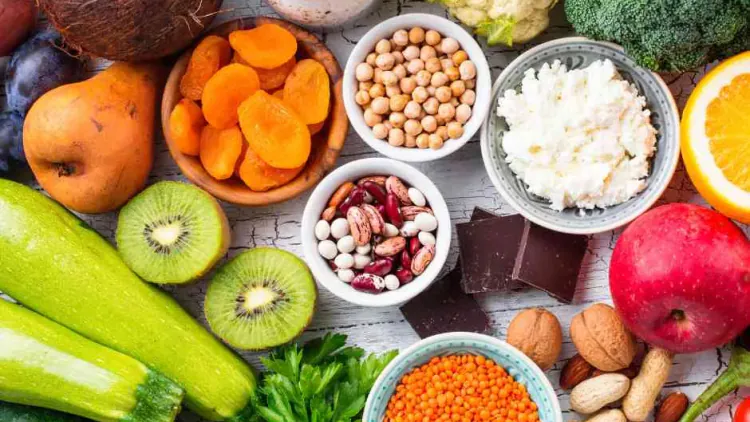
- Green Zone (Eat Freely): Cherries, Grapefruit, Apples, Pears, Plums, Berries.
- Yellow Zone (Portion Control): Bananas (yellow), Grapes, Kiwi, Mango, Papaya.
- Red Zone (Caution): Watermelon, Dried Dates, Canned Fruit, Fruit Juice.
CTA: Bookmark this page or print the glycemic index of fruits above to keep on your refrigerator for easy meal planning.
Low GI Fruits: Quick Reference Guide
For those in a hurry, here is your low GI fruits cheat sheet.
- Best for Breakfast: Grapefruit or Berries (pairs well with eggs/yogurt).
- Best for Snacks: Apples or Pears (skin on).
- Best for Dessert: Cherries or a small peach.
- Best for Smoothies: Green Bananas or Berries (avoid overripe bananas).
- Low glycemic index fruits list MVP: The Avocado (for fats) and Raspberry (for fiber).
FAQs
Q: What fruits are low glycemic?
A: Fruits with a GI under 55. The best examples are berries, cherries, grapefruit, apples, and pears.
Q: Which fruits are low glycemic index for keto?
A: Keto requires low sugar and low GI. The best options are avocados, raspberries, blackberries, and strawberries.
Q: Can I eat bananas on a low GI diet?
A: Yes, but choose green or barely ripe bananas. A fully brown/spotted banana has a much higher glycemic index.
Q: What are some low glycemic fruits that are cheap?
A: Apples and oranges are generally the most affordable low GI fruits available year-round. Frozen berries are also a budget-friendly option that retains the low GI benefits.
Q: Is lemon juice low glycemic?
A: Yes. Lemon juice has a very low GI and can actually lower the GI of a meal when used as a dressing (the acidity slows digestion).
Conclusion: How to Choose the Best Low Glycemic Fruits
Navigating the produce aisle doesn’t have to be confusing. By focusing on what are the low glycemic fruits, those with firm skins, high fiber, and tart profiles—you can enjoy nature’s candy while keeping your metabolism healthy.
Remember the golden rules:
- Check the Skin: If you eat the skin (apple, pear, berry), it’s likely lower GI.
- Check the Sour: Acidic fruits (grapefruit, orange) are usually safer.
- Watch the Ripeness: Eat bananas and mangoes before they get too soft.
Whether you are managing diabetes or optimizing for weight loss, this low glycemic fruits list is your roadmap to sustainable energy and health.
Disclaimer: This article is for informational purposes only and does not constitute medical advice. Always consult with a healthcare professional or dietitian before making significant changes to your diet, especially if you have diabetes.
References
1. Glycemic Index Values & Databases: The primary international standard for GI testing is maintained by the University of Sydney. Most credible health websites (Harvard, Mayo Clinic) reference this data.
2. Diabetes Management & Fruit: Guidelines on how fruit fits into a diabetic diet and the importance of Glycemic Load vs. Index.
- American Diabetes Association (ADA) – Fruit & Diabetes.
- Harvard Health Publishing – The Lowdown on Glycemic Index and Glycemic Load
3. Specific Fruit Studies (Blueberries & Avocados): Research backing specific claims about insulin sensitivity and “superfood” status.
- Bioactives in Blueberries Improve Insulin Sensitivity in Obese, Insulin-Resistant Men and Women.
- The Nutrition Source – Avocados.
4. Weight Loss & Satiety: Evidence linking low GI diets to weight management.