Are Burgers Healthy? The Complete Science-Based Guide
Have you been looking for the answer to - are burgers healthy? Then you are in the right place. So tighten your seat belt and come for a tour of burgers!
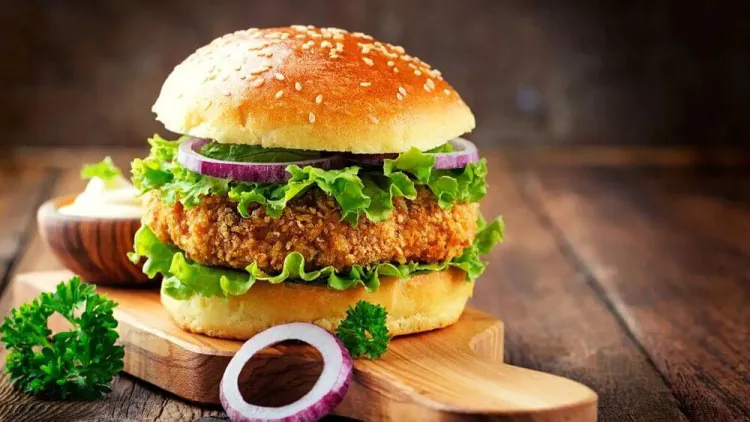
Yes, burgers can be a very healthy, protein-rich meal, but only when carefully constructed. A healthy burger uses lean meat (like bison, turkey, or 93%+ beef), is cooked via grilling or baking, and uses a whole-grain bun or lettuce wrap. Burgers become unhealthy primarily due to excessive saturated fat, high sodium, and refined carbohydrates found in white buns and sugary sauces common in fast food.
The Great Burger Debate
The hamburger. For many, it’s the quintessential comfort food—the taste of summer BBQs, classic diners, and quick convenience. But mention a burger in a health-conscious context, and you’ll likely spark a fiery debate. Is this beloved patty on a bun a nutritious, protein-packed meal or a dietary disaster waiting to happen?
The truth is, the answer to “Are burgers healthy?” is far from simple. It’s a classic case of “it depends.” A lean, grilled, grass-fed beef patty wrapped in lettuce with fresh tomato and homemade avocado mash is nutritionally worlds apart from a double-patty, deep-fried, fast-food behemoth slathered in sugary sauces and served with a side of supersized fries.
This ultimate guide cuts through the confusion. We will provide a science-based deep dive into every ingredient, cooking method, and context—from the macro-nutrient profiles of lean beef and bison to the processed nature of fast-food giants and the health benefits of plant-based alternatives like the Beyond Burger.
Whether you’re a bodybuilder looking for muscle fuel, someone aiming for weight loss, a health-conscious parent, or an expectant mother with a craving, we’ll equip you with the knowledge to make any burger choice a healthier one.
Are Burgers Healthy? Quick Answer
Can a burger be part of a healthy diet? Yes.
A burger can be a powerhouse of essential nutrients, including high-quality protein, iron, and B vitamins. However, the common perception of the burger is dominated by its unhealthy counterpart: the ultra-processed, sodium-laden, high-fat fast-food option that is often oversized and served with refined carbohydrates and processed cheese.
When you ask, “Are burgers healthy for you?” or “Are burgers healthy to eat?” the health profile hinges on four key factors:
- Meat Quality & Type: Choosing lean cuts (90/10 beef, bison, turkey, or fish) over high-fat cuts.
- Preparation Method: Grilling, baking, or pan-searing with minimal added oil is superior to deep-frying or griddling in excessive fats.
- The Bun & Toppings: Opting for a whole-grain bun, a lettuce wrap, or going bun-less (are burgers healthy without the bun?) radically reduces refined carbs and calories. Avoiding high-sugar sauces and processed cheese is crucial.
- Portion Size: Keeping the patty size reasonable (4–6 ounces) and moderating the accompanying sides.
The collective question “Are burgers healthy or unhealthy?” depends entirely on how the meal is prepared.
Why Are Burgers Healthy—or Unhealthy?
The paradox of the burger is that its core ingredients are often celebrated by nutritionists, yet the final product is vilified. This section answers: “why are burgers healthy,” “how are burgers healthy,” and conversely, “why is a hamburger unhealthy.”
Health Benefits of Burgers (When Made Right)
When constructed thoughtfully—using high-quality, whole ingredients—a burger can offer significant nutritional advantages.
High-Quality Protein (The Muscle Builder)
The primary component of a burger—the meat, fish, or plant-based patty—is an exceptional source of protein. Protein is vital for muscle repair, immune function, hormone production, and satiety.
For a fitness or bodybuilding audience (are burgers healthy for bodybuilding), the amino acid profile in beef, in particular, is complete and highly bioavailable.
- Expert Note: According to the USDA, a standard 4-oz lean ground beef patty provides approximately 25–30 grams of protein.
Essential Micronutrients: Iron, B-Vitamins, Zinc
Red meat is one of the best dietary sources of heme iron, which is crucial for carrying oxygen in the blood and preventing fatigue. It’s particularly important for women (especially during pregnancy) and athletes.
- Vitamin B12: Essential for nerve function and the formation of red blood cells. Primarily found in animal products.
- Zinc: Supports immune function and wound healing.
- Selenium: Acts as an antioxidant.
Healthy Fats (Depending on Meat Type)
Choosing grass-fed beef, bison, or salmon as your patty source can provide beneficial fats:
- Grass-fed Beef & Bison: Often contains higher levels of conjugated linoleic acid (CLA), a fat that may be linked to reduced body fat and better blood sugar control, and higher levels of Omega-3 fatty acids compared to grain-fed beef.
- Salmon: An excellent source of the heart-healthy Omega-3 fatty acids EPA and DHA.
Versatile for Dietary Preferences
A burger is an incredibly versatile platform. It can be easily adapted for:
- Keto/Low-Carb: By removing the bun.
- Paleo: Using a lean patty and skipping the dairy/bun.
- Vegetarian/Vegan: Utilizing black bean, lentil, or commercial plant-based patties.
Why Burgers Become Unhealthy (Fast-Food Problems)
This is the core reason “why is a hamburger considered unhealthy” and “why are burgers unhealthy but the ingredients are healthy.” The negative health profile is rarely due to the quality of protein and iron in the meat itself, but rather the preparation, processing, and excessive additives.
1. Ultra-Processed Meat & Fillers
Many fast-food chains and cheaper frozen varieties use lower-quality meat cuts with a higher fat content (often 70/30 or worse). These patties may be treated with ammonia or processed with fillers, excessive salts, and preservatives to enhance shelf life and flavor. The sheer volume of sodium often exceeds half a day’s allowance in a single meal.
2. Excessive Portions
The modern burger often features double or even triple patties, turning a moderate 4-oz serving of protein into a calorie bomb of 8–12 oz or more, drastically increasing the saturated fat and calorie count beyond what is reasonable for a standard meal.
3. Refined Carbohydrates & Sugary Sauces
- The Bun: Most fast-food and conventional buns are made from highly refined white flour (a simple carbohydrate). This lacks fiber and can cause a rapid spike in blood sugar, contributing to weight gain and energy crashes.
- The Toppings: Condiments like ketchup, BBQ sauce, and ‘special’ sauces are often loaded with high-fructose corn syrup and sugar, adding empty calories and dramatically increasing the overall carbohydrate load.
4. Cooking Methods
Fast-food burgers are typically cooked on a flat-top grill that is continuously oiled, or they are griddled in their own rendered fat, significantly increasing the overall fat absorption and final calorie count. Furthermore, the high heat used in commercial cooking can sometimes lead to the formation of harmful compounds like Heterocyclic Amines (HCAs) and Polycyclic Aromatic Hydrocarbons (PAHs), which are linked to potential health risks.
Are Burgers Healthy Without the Bun? (Low-Carb & Keto)
For most people, the highest source of refined carbohydrates and calories in a typical burger meal comes from the large, white, processed bun and the side of fries. By simply removing the bun, you can instantly transform a questionable meal into a highly nutritious, low-carb option.
Are Burgers Healthy Without the Bun? (Low-Carb & Keto)
For most people, the highest source of refined carbohydrates and calories in a typical burger meal comes from the large, white, processed bun and the side of fries. By simply removing the bun, you can instantly transform a questionable meal into a highly nutritious, low-carb option.
The Bun-Less Transformation
| Component | Standard Burger (Bun + Fixings) | Bun-Less Burger (Lettuce Wrap) | Health Impact |
| Calories | High (200-300+ from bun alone) | Lower (0 from wrap) | Drastic Calorie Reduction |
| Carbohydrates | High (30-50+ grams) | Low (3-5 grams) | Ideal for Keto/Low-Carb Diets |
| Insulin Response | High | Low | Supports Stable Blood Sugar |
| Fiber | Low (in white buns) | Higher (in lettuce/veggies) | Improved Digestive Health |
Recommended Bun Alternatives
If you’re wondering, “Can burgers be healthy?” while keeping the familiar structure, here are the best substitutes:
- Lettuce Wrap: The most popular choice (often called a ‘protein style’ burger). Use large, sturdy leaves like butter lettuce or iceberg.
- Portobello Mushroom Buns: Grill large portobello mushroom caps for a savory, low-carb, nutrient-dense replacement.
- Cauliflower Thins/Buns: Pre-made, low-carb options found in most health food aisles.
- Oat Fiber Buns: For those who bake, buns made with oat fiber offer structure with minimal net carbs.
By swapping the processed bun for a whole-food alternative, you retain the high-quality protein, iron, and B vitamins while reducing the detrimental effects of refined carbs, making the burger an excellent choice for a low-carb diet. Are burgers healthy for weight loss?
Homemade vs Fast-Food Burgers: Which Is Healthier?
The debate over “are burgers healthy homemade” compared to fast-food options is not a fair fight. The contrast is stark, placing homemade in the undisputed lead for healthiness.
Advantages of Homemade Burgers
When you make a burger at home, you gain absolute control over every single variable that impacts the meal’s nutritional profile.
- 1. Control Over Fat and Quality: You choose the meat grind, such as 93% lean ground beef (7% fat), ground turkey breast, or bison. This is a massive improvement over the often undisclosed, lower-grade, higher-fat beef used in commercial kitchens.
- 2. Control Over Sodium and Seasoning: You can season the patty yourself with simple spices and herbs (garlic powder, pepper, smoked paprika) rather than relying on pre-seasoned, high-sodium mixes. You can also skip or minimize high-salt ingredients like processed cheese.
- 3. Fresh, Whole-Food Ingredients: You can choose a 100% whole-grain bun or skip it entirely. You add fresh vegetable toppings (avocado, onion, tomato, spinach) and use homemade or low-sugar condiments.
- 4. Healthier Cooking Methods: You can grill the patties to allow the fat to drip away, bake them on a rack, or pan-sear them with a minimal, measured amount of healthy oil like avocado or olive oil.
The question, “is homemade burger healthy?” is best answered with a resounding yes, provided you adhere to lean meat and healthy toppings.
Are Homemade Burgers Healthy Reddit Insights
The collective wisdom on platforms like Reddit often provides practical, real-world context for nutritional advice. The consensus among the health, fitness, and cooking subreddits regarding “are homemade burgers healthy reddit” can be summarized as follows:
“Redditors say the quality of the meat + minimal additives is what makes a burger truly healthy. If you use 90/10 beef or leaner, season it yourself, and pair it with a light bun or a lettuce wrap, you’re essentially eating a high-protein, nutrient-dense steak in patty form. The issue is never the meat; it’s the high-sodium toppings, processed white bun, and the oil it’s cooked in.”
The community-driven insight supports the expert view: Homemade allows for E-E-A-T (Expertise, Experience, Authoritativeness, Trustworthiness) in the meal preparation process, yielding a consistently superior health outcome.
Are Burgers Healthy for Specific Health Goals?
The burger’s versatility means it can be tailored to support virtually any dietary or fitness goal—from shedding pounds to building muscle mass.
Are Burgers Healthy for Weight Loss?
Yes, absolutely. Burgers can be an excellent tool for weight loss due to their high protein content, which promotes satiety and requires more energy for the body to digest (a phenomenon known as the Thermic Effect of Food, or TEF).
Weight Loss Burger Strategy:
- Prioritize Lean Meat: Stick to 90/10 lean beef, ground turkey breast (no skin), or salmon. Lower fat content means lower calories.
- Go Bun-less (or Whole-Grain): This is the single most effective way to reduce the calorie and simple carb load.
- Mind the Portions: Limit the patty size to 4–5 ounces. Large portions negate the benefit.
- Emphasize Volume: Load the burger with high-volume, low-calorie toppings like lettuce, tomato, onions, and pickles.
- Choose the Right Sides: Replace fries with a large green salad, steamed vegetables, or baked sweet potato fries (healthy sides for burgers).
By focusing on these points, a burger becomes a satisfying, high-protein meal that controls hunger and fits neatly into a calorie deficit.
Are Burgers Healthy for Bodybuilding?
For those focused on bodybuilding and muscle mass accrual, the burger is a powerful ally.
Bodybuilding Burger Benefits:
- Protein Density: Provides the necessary amino acids (especially Leucine, critical for muscle protein synthesis) to repair muscle tissue after intense training.
- Calorie & Nutrient Timing: On a mass-gaining phase, a higher-fat burger (80/20) with a potato bun can be a high-calorie, nutrient-dense way to meet energy needs.
- Micronutrients: The iron and B vitamins are crucial for energy production (creatine synthesis) and oxygen delivery to working muscles.
Best Timing: Consume a lean, protein-focused burger post-workout to deliver amino acids to hungry muscles, or use a higher-fat version on a rest day to keep energy intake high.
Are Burgers Healthy for Cholesterol?
The concern regarding burgers and cholesterol primarily stems from the saturated fat content in fattier ground beef. For individuals managing high cholesterol, the strategy shifts dramatically away from conventional beef.
Cholesterol-Friendly Burger Strategy:
- Switch the Base: Choose plant-based burgers (black bean, lentil, Impossible/Beyond) or salmon burgers, which are high in healthy monounsaturated and polyunsaturated fats, including Omega-3s.
- Opt for Leanest Meats: If choosing beef, use only 95% or 97% lean ground beef.
- Avoid Added Fats: Skip buttering the bun or cooking the patty in excessive oil.
- Fiber is Key: Load the burger with high-fiber toppings and use a whole-grain bun. Fiber helps bind to cholesterol in the digestive tract.
Are Burgers Healthy During Pregnancy?
A burger can be an excellent source of necessary iron, protein, and Vitamin B12 for a pregnant woman, but safety and ingredient quality are paramount.
Pregnancy Burger Checklist:
- MUST Be Fully Cooked: The most critical rule. The patty, whether beef, turkey, or chicken, must be cooked to a safe internal temperature (160°F or 71°C) with no pink center, to eliminate the risk of Listeria or E. coli.
- Manage Sodium: High sodium intake can contribute to swelling (edema). Homemade options allow for better sodium control.
- Avoid Unpasteurized Cheese: Ensure any cheese used is pasteurized.
- Watch Sauces: Avoid homemade sauces (like mayo) that use raw eggs.
A well-done, high-quality, homemade burger with fresh veggies is a nutritious choice for an expectant mother.
Healthiness of Every Burger Type (Expert Comparison Table)
The traditional beef patty is just one option in the expansive world of burgers. For health-conscious consumers, athletes, or those with dietary restrictions, understanding the nuanced differences between poultry, seafood, red meat alternatives, and plant-based options is essential. The type of patty you choose fundamentally dictates the meal’s final calorie count, fat profile, and micronutrient density.
Here is an in-depth breakdown of the most common burger types, addressing questions like are turkey burgers healthy, are bison burgers healthy, and the rise of plant-based options.
Poultry Burgers
Poultry burgers are often sought as leaner alternatives to traditional ground beef. However, their healthiness depends heavily on whether you choose white meat only (breast) or a blend of dark meat and skin.
Turkey Burgers (The Common Contender)
- Are turkey burgers healthy? Generally, yes, but read the label. Ground turkey made entirely from breast meat (light meat) is one of the leanest options available, offering high protein and minimal saturated fat. However, many pre-made turkey patties or ground turkey blends include dark meat and skin, significantly increasing the fat and calorie content.
- Healthy Turkey Burgers: Opt for homemade patties using 93% or 99% fat-free ground turkey breast.
- Are Butterball Turkey Burgers Healthy? Commercial brands like Butterball are convenient but can vary. Always check the nutrition facts for sodium and fat content, as some frozen varieties add seasonings, oil, or fillers that increase sodium and total fat.
Chicken Burgers
- Are chicken burgers healthy? Similar to turkey, chicken burgers made from lean ground chicken breast are excellent sources of protein. However, if the patty is deep-fried (like a crispy chicken sandwich) or made with ground chicken skin/thigh meat, the fat and calorie counts will rise sharply.
- Healthy Chicken Burgers: Choose grilled or baked chicken breast fillets or patties made from lean ground breast meat.
| Poultry Burger (4 oz Patty) | Calories (approx.) | Protein (g) | Total Fat (g) | Sat. Fat (g) | Sodium (mg) |
| Lean Ground Turkey Breast (99%) | 120 | 26 | 1 | 0 | 75 |
| Ground Turkey Blend (90%) | 180 | 22 | 10 | 3 | 100 |
| Lean Ground Chicken Breast | 130 | 25 | 2 | 0.5 | 80 |
Red Meat Alternatives
These options retain the satisfying flavor of red meat but often offer a better nutritional profile than conventional 80/20 ground beef.
Bison Burgers (The Lean Powerhouse)
- Are bison burgers healthy? Yes, bison (or buffalo) is frequently touted as one of the healthiest red meat options. Bison tends to be leaner than even lean ground beef, often having less saturated fat and fewer calories. It is also packed with iron and B vitamins.
- Key Benefit: Bison is often grass-fed, which may contribute to higher levels of Omega-3 fatty acids and CLA (Conjugated Linoleic Acid).
Angus vs. Grass-Fed Beef
- Angus Beef: Refers to a specific breed, often prized for its flavor and marbling (fat). Its health profile depends entirely on the fat percentage (e.g., 80/20 is high fat; 93/7 is lean).
- Grass-Fed Beef: This refers to the cow’s diet. Grass-fed beef is consistently linked to lower total fat, a better ratio of Omega-6 to Omega-3 fatty acids, and higher levels of antioxidants like Vitamin E. For maximum health benefits, opt for lean grass-fed beef.
| Red Meat Alternative (4 oz Patty) | Calories (approx.) | Protein (g) | Total Fat (g) | Sat. Fat (g) | Iron (%)* |
| 93% Lean Ground Beef (Grass-Fed) | 180 | 25 | 8 | 3 | 15% |
| Lean Ground Bison (Buffalo) | 150 | 24 | 6 | 2 | 18% |
* Iron content is % Daily Value (DV).
Seafood Burgers
Seafood patties, especially salmon, offer the benefit of heart-healthy fats, making them an excellent choice for cardiovascular health.
Salmon Burgers
- Are salmon burgers healthy? Absolutely. Salmon burgers provide an excellent source of high-quality protein and are rich in Omega-3 fatty acids (EPA and DHA). These are essential polyunsaturated fats linked to reduced inflammation, lower blood pressure, and improved brain function.
- Caveat: Be wary of commercially processed salmon burgers that use excessive binders, breadcrumbs, or added oils/sauces, which can negate the Omega-3 benefits and spike the sodium content.
| Seafood Burger (4 oz Patty) | Calories (approx.) | Protein (g) | Total Fat (g) | Sat. Fat (g) | Omega-3s (mg) |
| Wild Salmon Patty (Homemade) | 200 | 24 | 10 | 2 | 1,500+ |
Plant-Based & Meatless Burgers
The plant-based burger category has exploded, offering options ranging from simple whole-food veggie patties to highly engineered, meat-mimicking products. This cluster answers: are veggie burgers healthy, are beyond burgers healthy, and are impossible burgers healthy.
Whole-Food Veggie Burgers
- Black Bean Burgers: Are black bean burgers healthy? Yes, these are typically made from black beans, corn, rice, and spices. They are high in fiber, low in saturated fat, and contain complex carbohydrates. Their healthiness is dependent on avoiding deep-frying and excessive cheese/sauce.
- Boca & MorningStar Burgers: Are Boca burgers healthy? These commercial brands are often soy- or vegetable-protein-based. They tend to be low in fat and calories but can be very high in sodium and contain more processed ingredients than a homemade black bean burger. They are generally superior to fast-food red meat options in terms of saturated fat.
Meat-Mimicking Plant-Based Burgers
These patties (Beyond, Impossible) are designed to replicate the taste, texture, and cooking experience of beef.
- Are Beyond Burgers Healthy? Beyond Burgers are made primarily from pea protein, coconut oil, and canola oil. They contain comparable protein to beef but often have similar levels of total fat and saturated fat (from the coconut oil). They are cholesterol-free but are highly processed and often high in sodium.
- Are Impossible Burgers Healthy? Impossible Burgers use soy protein and sunflower/coconut oil. They are famous for using heme (from soy leghemoglobin, produced via genetic engineering) to give a “bloody” texture and meaty flavor. Like Beyond, they are cholesterol-free but highly processed and have comparable fat/saturated fat to a standard 80/20 beef patty.
- Are Plant-Based Burgers Healthy? They are a healthier choice for the planet and individuals avoiding cholesterol, but due to high processing and added fat/sodium, they should not be considered a “health food” compared to lean poultry or fish. They are often a better swap for a high-fat beef patty but not a lean beef patty.
| Plant-Based Burger (4 oz Patty) | Calories (approx.) | Protein (g) | Total Fat (g) | Sat. Fat (g) | Fiber (g) | Sodium (mg) |
| Black Bean (Homemade) | 160 | 10 | 5 | 1 | 8 | 150 |
| MorningStar/Boca Burger | 120 | 13 | 4 | 0.5 | 4 | 350-450 |
| Beyond Burger | 250 | 20 | 18 | 6 | 3 | 390 |
| Impossible Burger | 240 | 19 | 14 | 8 | 3 | 370 |
Fast-Food Burger Healthiness Breakdown
The convenience and pervasive nature of fast food make it the primary source of the “unhealthy” burger reputation. This section addresses the true nutritional costs of eating out, answering: healthiest fast food burgers, and who has the healthiest burgers?
The challenge with fast-food options is three-fold: Excessive Portions, High Sodium, and Additives.
Healthiest Fast-Food Burgers (Rankings)
When ranking fast-food burgers, the best strategy is to look for the smallest single patty size and request no cheese and no mayo/sauce. This dramatically drops the fat, sodium, and calorie count.Rank Restaurant Burger Option (Base Order) Calories (approx.) Protein (g) Sodium (mg) 1 In-N-Out “Protein Style” Hamburger (No Cheese/Spread) 240 13 370 2 Wendy’s Jr. Hamburger 250 13 470 3 McDonald’s Hamburger 250 12 510 4 Burger King Hamburger 260 13 530 5 Grill’d Simply Grilled (Lean Beef, Lettuce Wrap) 300 28 600
Note on Sodium: Even the “healthiest” fast-food options contain 350-600mg of sodium, representing 15–26% of the 2,300mg daily recommended limit, often without the bun, cheese, or fries.
Individual Brand Analysis
White Castle
- Are White Castle burgers healthy? While the small size of a Slider might be deceiving, the cooking method is detrimental. White Castle patties are cooked atop a bed of onions, steaming them in their own grease.
One plain Original Slider is low in calories (around 140) but contains high sodium for its size (380mg). The main risk is the high saturated fat and simple carb load when consumed in typical quantities (3–6 sliders per person).
Burger King
- Are Burger King burgers healthy? BK offers the standard dilemma: single hamburger options are relatively lean, but their signature Whopper is a high-calorie commitment. A single Hamburger is around 260 calories. A standard Whopper is 660 calories and over 1,000mg of sodium before fries or a shake.
Wendy’s
- Are Wendy’s burgers healthy? Wendy’s offers a slightly better profile than some competitors by claiming never to use frozen beef. The Jr. Hamburger is a good low-calorie option (250 calories). However, their specialty burgers (Baconator) can easily exceed 900 calories and 1,500mg of sodium.
Five Guys
- Are Five Guys burgers healthy? Generally, no. Five Guys is designed for indulgence. A standard hamburger (one patty) is 500–550 calories before toppings. Their regular “Hamburger” actually contains two patties and starts at over 800 calories.
This chain is notorious for heavy use of peanut oil, high sodium, and giant portions, making it one of the least healthy options among major chains.
In-N-Out
- Are In-N-Out burgers healthy? The chain is popular for its simplicity and customization. The Hamburger (single patty) is a moderate choice (390 calories with spread/bun).
The “Protein Style” (lettuce wrap) without the spread is an excellent low-carb option, as ranked above. The main health risk is the Animal Style preparation, which adds high-fat spread and cheese.
Grill’d (The Health-Focused Option)
- Grill’d healthy burgers: As a dedicated, health-oriented chain (primarily in Australia), Grill’d emphasizes grass-fed beef, chicken breast, and whole-grain options. They explicitly list nutrition and offer customization (lettuce wraps).
Their “Simply Grill’d” burger is one of the few fast-casual options designed from the ground up for health.
Bubba Burgers (Frozen)
- Are Bubba burgers healthy? Bubba Burgers are a popular frozen grocery-store product. They are convenient (pre-formed, no thawing required) but are typically made from 80/20 or 85/15 ground beef, meaning high fat and high saturated fat.
While you control the bun and toppings, the high-fat patty makes them less healthy than a lean ground beef option you’d prepare from scratch.
Healthy Sides for Burgers
A burger, even a perfect one, can be instantly ruined by pairing it with a side of supersized, deep-fried fries. Shifting your side choice is one of the easiest and most impactful ways to make the entire meal healthier.
If you are aiming for weight loss or cholesterol management, replacing a standard serving of fries (approx. 400-500 calories, 30g fat) with a whole-food side can save hundreds of calories.Healthy Side Option Nutritional Benefit Preparation Tip Green Salad High fiber, vitamins (A, K, C), low calories. Use oil-and-vinegar dressing instead of creamy ranch/Caesar. Baked Sweet Potato Fries Complex carbohydrates, high in Vitamin A, lower glycemic index than white potatoes. Cut into wedges, toss in olive oil and seasoning, bake or air-fry. Roasted Vegetables Fiber, antioxidants, and volume (filling). Asparagus, broccoli, or bell peppers roasted with garlic and herbs. Fresh Fruit Natural sugars, fiber, and hydration. A simple side of sliced watermelon, berries, or an apple. Coleslaw with Greek Yogurt Base Probiotics, high protein (from Greek yogurt), good fiber. Replace mayonnaise with plain Greek yogurt and a splash of vinegar.
Can Burgers Be Healthy? Final Verdict
After dissecting the ingredients, preparation methods, and nutritional profiles across homemade, specialty, and fast-food venues, the ultimate answer is clear: Yes, burgers can be a healthy, nutrient-dense component of almost any diet.
The true determinant of whether a burger is a nutritional asset or liability is the degree of processing and portion distortion involved. The base ingredients—protein, iron, vitamins, and vegetables—are highly beneficial.
It is the ultra-refined white buns, the processed cheeses, the sugary sauces, the high-fat cuts of meat, and the deep-frying methods common in fast food that push the burger into the unhealthy category.
Your Actionable Healthy Burger Checklist:
| Priority Level | Action to Take | Health Benefit |
| High | Choose Lean Protein: Opt for 93%+ lean beef, bison, or turkey breast. | Minimizes saturated fat and cholesterol. |
| High | Skip the Refined Bun: Use a whole-grain bun, a lettuce wrap, or go bun-less. | Drastically reduces simple carbs and calories. |
| Medium | Control the Toppings: Avoid processed cheese, bacon, and mayonnaise-based sauces. | Reduces sodium, saturated fat, and empty calories. |
| Medium | Grill or Bake: Avoid submerging the patty in oil or deep-frying. | Allows fat to drain off the patty. |
| Low | Choose a Smart Side: Swap French fries for a salad or baked vegetables. | Manages the calorie and refined carb load of the overall meal. |
By adhering to this checklist, you can enjoy a delicious, satisfying burger that actively supports goals like weight loss, muscle gain, and overall cardiovascular health.
FAQ
Are burgers healthy if made at home?
Yes, homemade burgers are almost always healthier than commercial or fast-food versions. At home, you control the portion size, the fat percentage of the meat (e.g., 97% lean), the sodium content (by controlling seasoning), and the bun/topping choices, allowing you to prioritize whole, unprocessed ingredients.
Are burgers healthy during pregnancy?
Yes, provided they are cooked completely (no pink interior) to an internal temperature of 160°F (71 °C) to eliminate the risk of foodborne illness. They are an excellent source of necessary iron and protein. It is best to choose homemade versions to moderate sodium and ensure the quality of all ingredients and toppings.
Are burgers healthy for cholesterol?
Conventional, high-fat burgers are not ideal for high cholesterol due to saturated fat content. However, burgers made from lean turkey breast, salmon, or plant-based proteins (like black bean or pea protein) that are rich in fiber and healthy fats are beneficial for cholesterol management.
Why are burgers unhealthy, but the ingredients are healthy?
The core ingredients (lean beef, lettuce, tomato, and onion) are healthy. The meal becomes unhealthy due to the additions and preparation methods: high-sugar white buns (refined carbs), high-sodium processed cheese, excessive sugary/fatty sauces, and cooking methods that add large amounts of unhealthy oil/fat.
Are burgers healthy without the bun?
Yes, removing the bun is the quickest way to make a burger much healthier, especially for low-carb, keto, or weight-loss diets. It removes the largest source of simple carbohydrates and significantly cuts calories, turning the burger into a high-protein, nutrient-rich meal (like a steak salad).
References
- U.S. Department of Agriculture (USDA) – FoodData Central
- U.S. Department of Agriculture (USDA) – Safe Minimum Cooking Temperatures
- Harvard T.H. Chan School of Public Health – Protein
- Harvard T.H. Chan School of Public Health – Red Meat and Health
- Mayo Clinic – Cholesterol: Top foods to improve your numbers
- American Heart Association (AHA) – Dietary Fats and Cardiovascular Disease
- National Institutes of Health (NIH) – Iron Fact Sheet for Consumers
- National Institutes of Health (NIH) – Omega-3 Fatty Acids Fact Sheet for Health Professionals
- American Cancer Society (ACS) – Red Meat and Processed Meat
Academy of Nutrition and Dietetics – What Is Lean Protein?