Is Whiskey Gluten-Free? The Celiac Guide to Bourbon, Rye & Scotch
Confused about whether whiskey is safe on a gluten-free diet? You are not alone. We break down the distillation science, explain which whiskey styles are safest for celiacs, review popular brands like Jack Daniel's and Fireball, and flag the flavored varieties you should watch out for.
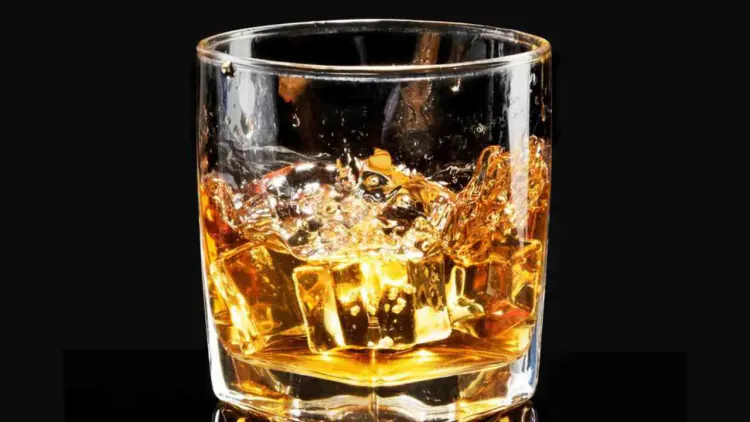
Picture this: you are out with friends, the drinks menu arrives, and your eyes land on the whiskey section. There's that familiar knot in your stomach is whiskey gluten-free? You know it starts as grain. Barley, rye, sometimes wheat. Every celiac alarm in your brain fires at once.
Then someone waves a hand and says, "Distillation removes the gluten." Are they right? Actually… mostly yes. But "mostly" is doing a lot of heavy lifting, so let's walk through the real science and the real-world caveats that matter for people with celiac disease or gluten sensitivity.
In short: Pure, unflavored distilled whiskey is gluten-free according to science and every major celiac organization worldwide. But flavored versions, barrel-finished editions, and individual sensitivity still require attention.
This guide covers the distillation chemistry in plain language, breaks down Bourbon vs. Scotch vs. Rye vs. Irish whiskey, reviews specific brands you'll actually find at a bar, and tells you exactly what to avoid if you want to stay safe.
What Goes Into Whiskey? (The Grain Problem Explained)
The gluten confusion starts with the raw ingredients. Every whiskey begins life as a fermented grain mash and many of those grains contain gluten. Here's the breakdown by style:
The Mash Bill
- Barley The backbone of Scotch whisky (especially single malt) and Irish whiskey. Absolutely contains gluten.
- Rye Dominant grain in American rye whiskey and many Canadian styles. Contains gluten.
- Wheat Found in "wheated" bourbons like Maker's Mark and W.L. Weller. Contains gluten.
- Corn Required at ≥51% in bourbon and Tennessee whiskey. Naturally gluten-free.
The Fermentation Stage
Before distillation happens, the grain mash ferments into a liquid sometimes called "wash" basically an unaged, unhopped beer. At this point it's packed with gluten proteins. If you drank the wash, it would absolutely be a problem for anyone avoiding gluten. But the process doesn't stop there.
Why Distillation Changes Everything
This is the critical step that separates whiskey from beer for gluten safety.
How the Still Works
- The fermented wash is loaded into a still and heated.
- Ethanol boils at roughly 173°F (78°C) well below water's 212°F (100°C).
- Alcohol vapor rises up through the still neck first.
- That vapor is cooled and condensed back into liquid now it's spirit.
Where Gluten Gets Left Behind
Gluten is a large, complex protein. Proteins are non-volatile they physically can't turn into vapor. When the alcohol steams up and gets collected on the other side, gluten stays in the still bottoms (called pot ale or stillage) along with other solids. It never makes it into the bottle.
The Celiac Disease Foundation, Beyond Celiac, and the National Institutes of Health all confirm this: properly distilled spirits contain no detectable gluten peptides. The TTB (U.S. Alcohol and Tobacco Tax and Trade Bureau) added official weight in 2020, confirming that grain-based distilled spirits can be labeled gluten-free if they test below 20 ppm the international safe standard for celiacs.
Whiskey vs. Beer: Why One Is Safe and the Other Isn't

- Beer: Fermented and packaged as-is. Gluten proteins stay dissolved in the liquid. Not gluten-free unless brewed from certified GF grains like sorghum or rice.
- Whiskey: Fermented → then distilled. The distillation acts as a molecular filter, trapping gluten in the still while the clean spirit passes through. Gluten-free in pure form.
A useful mental image: boil salt water and capture the steam. The steam (distilled water) has no salt the salt stays in the pot. Whiskey works the same way with gluten.
Can Celiacs Actually Drink Whiskey?
Yes according to current medical consensus. Major celiac organizations worldwide say pure distilled whiskey is safe for the vast majority of people with celiac disease.
Why Some People Still Report Reactions
You'll find threads online where people describe bloating, headaches, or gut discomfort after drinking grain-based whiskey. A few legitimate explanations exist:
- Trace cross-contamination during bottling (very rare in modern facilities).
- Old barrel-sealing paste some older cooperages used wheat-flour paste on barrels. Modern distilleries use wax or pressure sealing. It's increasingly rare.
- Non-gluten congeners other compounds in grain spirits can irritate a sensitive gut and feel like a gluten reaction without actually being one.
- Flavored or beer-barrel-finished whiskeys additives and secondary aging in stout casks can reintroduce gluten post-distillation.
Practical bottom line for celiacs: Most can enjoy pure distilled whiskey without issue. If you've ever reacted, switch to 100% corn-based bourbon, sorghum whiskey, or naturally grain-free spirits (tequila, rum, or potato vodka) to remove all doubt.
Which Whiskeys Are the Safest Choices?
Naturally Gluten-Free (No Gluten Grains at All)
These are made entirely from corn, sorghum, or millet zero gluten risk even before distillation.
- Queen Jennie Whiskey 100% sorghum base
- Hudson Baby Bourbon 100% corn (verify current batch)
- Koval Millet Whiskey millet-based, fully GF
Safe via Distillation (All Major Traditional Styles)
- Scotch (single malt and blended)
- Irish whiskey
- Bourbon
- Rye whiskey
- Tennessee whiskey
Popular Brand Quick Guide
- Jack Daniel's Old No. 7 Tennessee whiskey. Company confirms gluten-free status. Safe.
- Crown Royal (original) Canadian whisky, distilled. Generally accepted as safe. Avoid flavored versions unless specifically labeled GF. Likely safe.
- Fireball Cinnamon Whisky A liqueur. Fireball states no gluten-containing ingredients in the flavoring, base is distilled. Generally safe (note: high sugar content may cause digestive upset in some people).
- Skrewball Peanut Butter Whiskey Company confirms gluten-free status. Safe (nut allergy warning applies separately).
- Bird Dog (flavored varieties) No explicit GF claim on most flavors. Proceed with caution.
- Pendleton Canadian whisky, distilled. Generally regarded as safe. Safe.
Flavored Whiskey: The Highest-Risk Category
Honey, apple, cinnamon, peach, vanilla flavored whiskeys are where the gluten-free guarantee breaks down. Distillation removes gluten, but post-distillation additives can reintroduce it through:
- Grain-alcohol-based flavor extracts
- Wheat-derived carriers or stabilizers in the flavoring
- Thickeners and colorings
Simple rule: If it's flavored and doesn't carry a clear "Gluten-Free" label, skip it or call the manufacturer before you pour. Mixing plain whiskey with your own fresh ingredients is always the safer, more predictable option.
At a Glance: Gluten Status of Common Spirits
- Pure whiskey Gluten-free ✓
- Beer Not gluten-free (unless certified GF)
- Vodka (grain-based) Gluten-free after distillation ✓
- Tequila (100% agave) Naturally gluten-free ✓
- Rum Naturally gluten-free ✓
- Brandy Gluten-free ✓
- Gin Gluten-free after distillation ✓
Frequently Asked Questions
Is whiskey gluten-free?
Yes. Pure distilled whiskey is considered gluten-free by all major celiac and health organizations. The distillation process removes gluten proteins from the original grain mash.
Is bourbon gluten-free?
Yes. Bourbon requires at least 51% corn (which is gluten-free) and distillation removes any gluten introduced by secondary grains like barley, rye, or wheat.
Can a person with celiac disease safely drink whiskey?
According to the Celiac Disease Foundation, Beyond Celiac, and the NIH, yes pure distilled whiskey is safe for most people with celiac disease. Avoid beer-barrel-finished editions and flavored versions unless they carry a certified GF label.
Why is whiskey OK when beer isn't?
Beer is fermented and bottled without distillation gluten remains in the final liquid. Whiskey is distilled after fermentation; the alcohol vaporizes and is collected separately, leaving all gluten proteins behind in the still.
Is Fireball gluten-free?
Fireball states no gluten-containing ingredients are used in its flavoring, and the base is distilled. It's generally considered safe, though the high sugar content can cause digestive discomfort in some individuals.
What This Means for You
Pure, unflavored distilled whiskey Bourbon, Scotch, Rye, Irish, Tennessee is safe for the vast majority of people following a gluten-free diet. The science is clear, regulatory bodies have weighed in, and celiac organizations back the consensus.
Smart habits going forward:
- Stick to straight (unflavored) whiskeys from reputable distilleries.
- Skip anything finished in beer barrels for example, Jameson Caskmates Stout Edition.
- Be skeptical of flavored whiskeys unless they carry an explicit gluten-free claim.
- If you are highly sensitive and have reacted before, choose 100% corn, sorghum, or millet whiskeys or pivot to naturally GF spirits like tequila, rum, or potato vodka.
Science worked this one out in your favor. Raise a glass responsibly and enjoy your Old Fashioned without the second-guessing.
References & Further Reading
- Celiac Disease Foundation Sources of Gluten & Distilled Spirits
- Beyond Celiac Alcohol & the Gluten-Free Diet
- FDA / TTB Gluten-Free Labeling of Distilled Foods
Eat Healthy, Live Well