Are Pancakes Bad for You? Nutrition, Health Effects & When They’re Okay to Eat
Are pancakes bad for you? Not inherently — it depends how they are made and how much you eat. We break down the real nutrition, how pancakes affect blood sugar and weight, and how to make them genuinely healthy.

Sunday morning, a stack of golden pancakes with maple syrup on the side it's hard to think of a more classically comforting breakfast image. But somewhere between the first pour of batter and the plate hitting the table, a familiar health-anxiety question tends to arrive: are pancakes actually bad for you?
The truth is: it depends heavily on how they are made, how much you eat, and what you serve alongside them. Plain old white flour pancakes drowning in syrup aren't doing your blood sugar any favors. But a thoughtfully made pancake stack is a completely different nutritional story. The food itself isn't inherently bad the ingredients and portions are what matter.
Let's go through the actual science rather than blanket judgments.
Why Pancakes Get a Bad Reputation

The typical pancake criticism comes down to a few specific issues:
- Refined flour: Standard white flour pancakes are made with highly processed flour that's had most of its fiber and micronutrients removed. The result is a fast-digesting carbohydrate that spikes blood sugar relatively quickly.
- Added sugar: Pancake mixes often contain added sugar, and then people top them with syrup one of the highest-sugar condiments around. The combined sugar load is significant.
- Low satiety for the calories: A stack of three diner-style pancakes with syrup can hit 700–1000 calories without providing much protein or fiber to slow digestion or create lasting fullness.
- Empty calories: Traditional pancakes provide energy without meaningful vitamins, minerals, or protective compounds beyond what the enrichment adds back.
These criticisms are fair for the traditional diner version. But they don't apply universally to all pancakes.
Pancake Nutrition: What a Realistic Stack Contains
Three medium pancakes (~105g) made from a standard mix, plain (no toppings):
- Calories: ~270–300
- Carbohydrates: 48–55g
- Protein: 7–8g
- Fat: 4–6g
- Fiber: 1–2g
- Sugar: 4–6g (without toppings)
Add 2 tablespoons of maple syrup: +100 calories, +26g sugar. Add butter: +100 calories, +11g fat. A realistic restaurant "short stack" with standard toppings easily runs 700–900 calories. That's the problematic version, and the numbers make the criticism understandable.
Are Pancakes Problematic for Weight Management?
Traditional pancakes with syrup are calorie-dense, fast-digesting, and not particularly filling which is a combination that can lead to overeating. The high glycemic load spikes blood sugar, which can be followed by a crash and renewed hunger within a couple of hours.
That said, "pancakes cause weight gain" isn't accurate excess calories cause weight gain. If you have a modest portion of pancakes as part of a balanced diet, they don't automatically become a problem. The issue is the portion size and toppings typical of restaurant service.
Are Pancakes Better Without Syrup?
Yes significantly. Syrup is the single biggest nutritional downgrade for pancakes. Two tablespoons of standard maple syrup add 26g of sugar and 100 calories with no nutritional benefit.
Better topping options:
- Fresh berries add antioxidants, fiber, and natural sweetness with minimal calories
- Sliced banana natural sweetness, potassium, some fiber
- Greek yogurt adds protein and creaminess; dramatically improves satiety
- Nut butter adds protein and healthy fat; small amounts go a long way
- A light drizzle of honey still sugar, but with trace minerals and antioxidants
How Pancakes Affect Specific Health Conditions
| Nutrient | Amount per Medium Pancake (approx. 40g-50g) |
| Calories | 90 – 100 kcal |
| Total Fat | 2g – 3g |
| Saturated Fat | 0.5g – 1g |
| Cholesterol | 15mg – 20mg |
| Sodium | 250mg – 300mg |
| Total Carbohydrates | 15g – 20g |
| Dietary Fiber | < 1g |
| Sugars | 3g – 5g |
| Protein | 2g – 3g |
Diabetes and Blood Sugar
Standard white-flour pancakes with syrup produce a significant blood sugar spike not ideal for people with type 1 or type 2 diabetes, or for those with insulin resistance. Modifications that help: using oat flour or almond flour, adding protein (eggs, Greek yogurt), reducing or eliminating syrup, and having a smaller portion with a protein source alongside.
High Cholesterol
Plain pancakes aren't particularly problematic for cholesterol on their own the issue is butter and full-fat toppings added in typical preparations. Using a plant-based milk, minimal butter, and heart-healthy toppings makes a meaningful difference.
IBS and Digestive Sensitivity
Standard wheat-flour pancakes can be problematic for people with IBS (particularly high-FODMAP wheat sensitivity) or gluten intolerance. Oat flour, rice flour, or GF flour blends work as direct substitutes with similar results.
Are Pancakes Okay for Kids?
For healthy children, pancakes are perfectly fine in reasonable portions especially when made with whole grain or oat flour, with eggs for protein, and topped with fruit rather than syrup. The main concern for kids is the same as for adults: excessive sugar from syrup and portion sizes that exceed their actual caloric needs.
A two-pancake stack made with oat flour, egg, and banana with fresh berries on top is a genuinely nutritious children's breakfast. A six-pancake mountain with butter and a cup of syrup is a sugar delivery system.
Making Healthier Pancakes: The Practical Swaps
- Swap white flour for oat flour: Higher fiber, more beta-glucan for heart health, lower glycemic impact
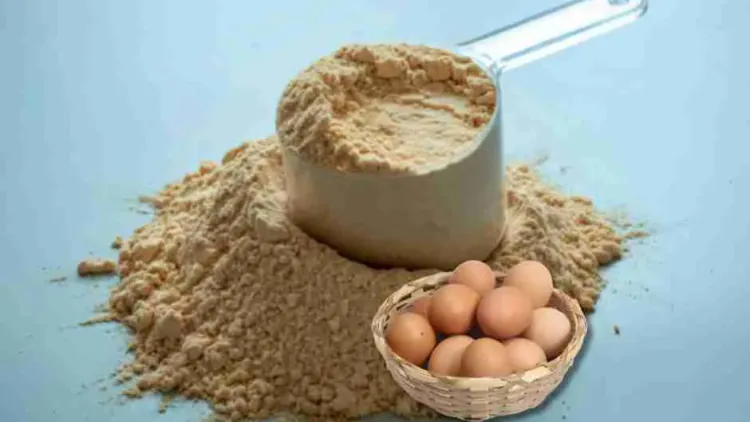
- Add protein: Greek yogurt, cottage cheese, or a scoop of protein powder in the batter dramatically improves satiety
- Use ripe banana instead of sugar: Natural sweetness without refined sugar
- Add chia or flax seeds: Boosts omega-3s and fiber without affecting taste
- Replace syrup with fresh fruit: Or use a very small amount of pure maple syrup (1 teaspoon rather than tablespoons)
- Reduce portion size: Two thoughtfully made pancakes is a reasonable breakfast; a six-pancake stack isn't serving you well nutritionally
The bottom line: Pancakes aren't inherently bad. Standard white-flour restaurant pancakes with syrup are a treat, not a health food. Made with whole grains, protein, and smart toppings, they can be a genuinely satisfying and nutritious breakfast. The version you make matters far more than the idea of "pancakes" in general.
Eat Healthy, Live Well