Gluten-Free Cereal: Complete Brand List, Healthiest Options, and Buying Tips
Looking for gluten-free cereal options? We cover the complete brand list, explain the difference between certified and non-certified GF cereals, highlight the healthiest low-sugar choices, and answer the most common brand-specific questions.
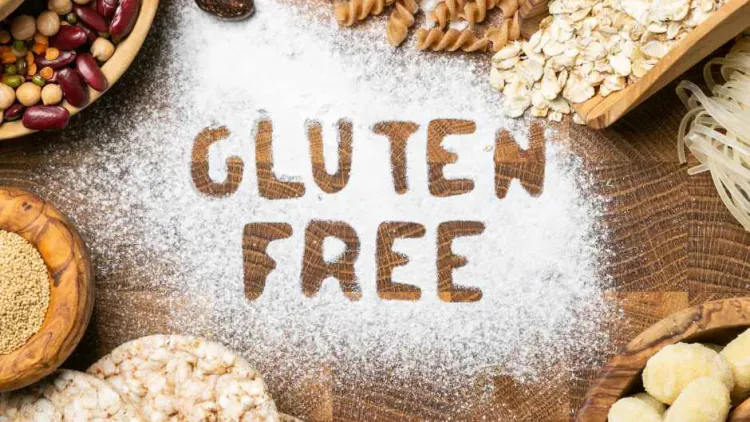
Breakfast is supposed to be the easy meal. Pour, add milk, eat done. But when gluten is off the table, even the cereal aisle becomes a minefield of fine print, vague "natural ingredients" claims, and the ever-present risk of cross-contamination from shared manufacturing equipment.
The good news is that the gluten-free cereal market has genuinely improved. There are now certified options across every category crispy puffed grains, dense granolas, high-protein clusters, and even some of the nostalgic childhood classics made safely and widely available. This guide cuts through the label confusion so you can shop with confidence.
What Actually Makes a Cereal Gluten-Free?
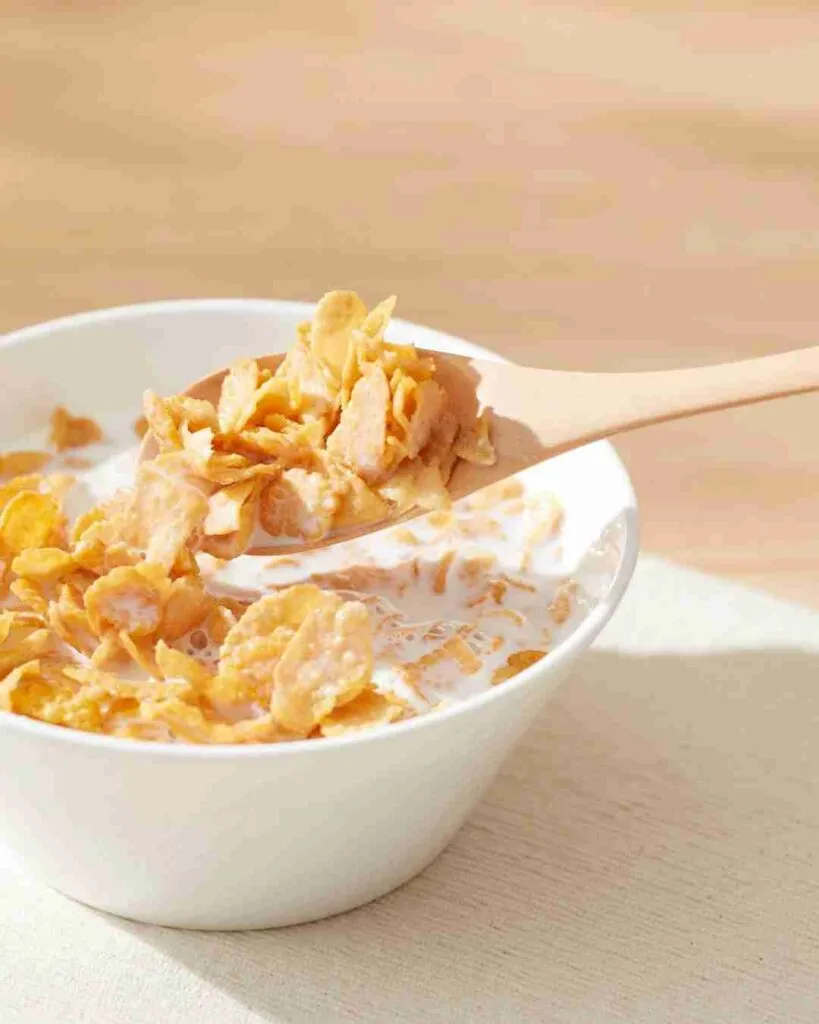
A cereal is genuinely gluten-free when it meets two criteria:
- Made without wheat, barley, rye, or their derivatives (including malt, which comes from barley)
- Manufactured with adequate controls to prevent cross-contamination from shared equipment or facilities that process gluten-containing grains
The second criterion is critical for celiacs. Even oats which are naturally gluten-free are frequently cross-contaminated during growing and processing. "Pure oats" (also called gluten-free certified oats) are specifically grown, harvested, transported, and processed in dedicated gluten-free facilities.
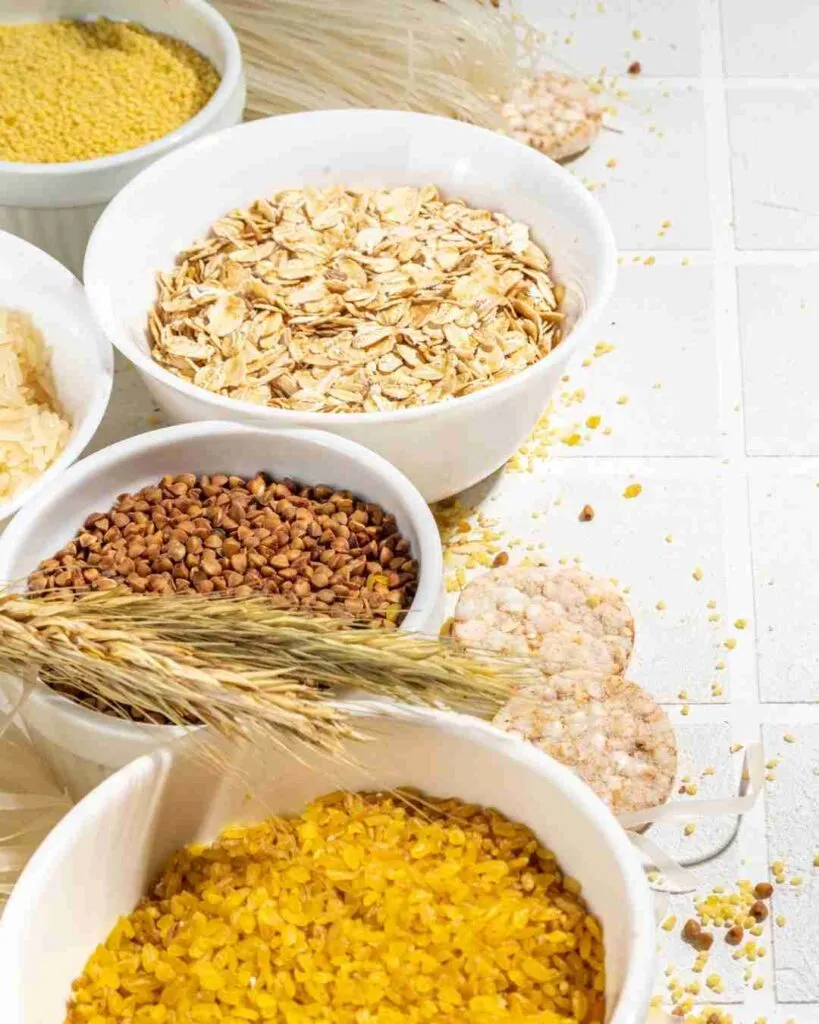
Naturally GF Grains Used in Cereals
- Corn (maize): The base of most GF corn flakes, puffs, and grits-style cereals
- Rice: Rice puffs, rice crisps, and rice-based granolas
- Buckwheat: Despite the name, not related to wheat naturally GF and nutritionally impressive
- Quinoa: Complete protein grain; used in some premium GF cereals
- Millet: Small-seeded grain, mild flavor, naturally GF
- Amaranth: High in protein and calcium; used in puffed and flaked cereals
- Sorghum: Increasingly common in GF cereal production
- Certified GF oats: Nutritionally excellent but must specifically say "certified gluten-free oats" to be safe for celiacs
Certified vs. Non-Certified: Why the Label Matters
Many cereals made from naturally GF grains don't carry a certified GF label because they are produced in facilities that also process wheat or other gluten grains. For people with celiac disease, this shared-facility risk can be enough to trigger a reaction.
Two important certification standards:
- GFCO (Gluten-Free Certification Organization): Requires testing to below 10 ppm gluten stricter than the FDA's 20 ppm standard
- NSF Gluten-Free certification: Also stringent; below 20 ppm with third-party auditing
For celiac disease: always look for a recognized certification mark, not just "made with gluten-free ingredients." For non-celiac gluten sensitivity: the risk threshold is generally higher and uncertified GF cereals may be fine.
Complete Gluten-Free Cereal Brand Guide
Certified Gluten-Free
- Chex (Rice, Corn, Honey Nut, Cinnamon, Vanilla): Most Chex varieties are certified GF. One of the most reliable mainstream options. Wheat Chex is not GF.
- Nature's Path Organic (most varieties): GFCO certified. Excellent range including Mesa Sunrise, Hemp Plus, and their certified GF oat-based options.
- Bob's Red Mill GF cereals: Certified GF oats and grain-free granola options.
- KIND Granola: Several varieties are certified GF always check individual product labels.
- Purely Elizabeth granola: Certified GF, ancient grain blends, widely available at Whole Foods and Target.
- Three Wishes Grain-Free Cereal: Certified GF, chickpea-based, very high in protein.
- Magic Spoon: Certified GF, grain-free, high-protein popular among keto and low-carb communities.
Generally Considered Safe but Not Certified
- Kellogg's Corn Flakes: Made with corn, but Kellogg's uses shared equipment not recommended for celiacs, generally tolerated by NCGS
- Frosted Mini-Wheats: Contains wheat NOT gluten-free
- Honey Smacks / Sugar Smacks: Contains wheat NOT gluten-free
The Healthiest Gluten-Free Cereal Choices
Beyond the GF certification, nutritional quality varies enormously. Prioritize:
- Whole grain base: Whole grain brown rice, certified GF oats, quinoa, buckwheat more fiber and nutrients than refined grain cereals
- Low added sugar: Aim for below 6g sugar per serving; many GF cereals are heavily sweetened
- Decent fiber: 3g or more per serving is a reasonable target
- Some protein: Grain-free and legume-based options (Three Wishes, Magic Spoon) offer 8–15g protein per serving significantly better for satiety than standard cereals
Best overall choices: Nature's Path GF oat granola, Chex with fresh berries and nuts added, Three Wishes grain-free cereal, Purely Elizabeth ancient grain granola.
Eat Healthy, Live Well