Quail Eggs vs Chicken Eggs: Which One Is Better?
Quail eggs vs chicken eggs: we compare nutrition side-by-side, break down the protein content, address cholesterol concerns, explain the taste and texture difference, and tell you which one actually belongs in your daily diet based on your goals.

Walk into most grocery stores and chicken eggs are everywhere cheap, familiar, and stacked floor to ceiling. But a little further down the aisle, often near the specialty or international foods section, you'll spot something different: tiny, brown-speckled, impossibly delicate quail eggs.
Once reserved for sushi chefs and Michelin-starred kitchens, quail eggs have quietly become a thing in health food circles. Fans say they are nutritionally superior, easier to digest, and even have a gentler allergy profile. But is that actually true, or is it upscale-food marketing in a cute little shell?
The truth: there's no clear overall winner. Chicken eggs dominate on price, convenience, and sheer volume. Quail eggs punch above their weight in nutrient density per gram. The right choice depends entirely on what you are optimizing for budget, specific micronutrients, culinary use, or just trying something new.
Here's the full head-to-head: nutrition facts, protein, cholesterol, taste and texture, allergies, price, and real cooking differences so you can decide which egg actually fits your life.
Quick Comparison: Quail Eggs vs Chicken Eggs

The First Difference You'll Notice: Size, Shell, and Structure
Before you even crack one open, the physical contrast is obvious.
Size and Shell
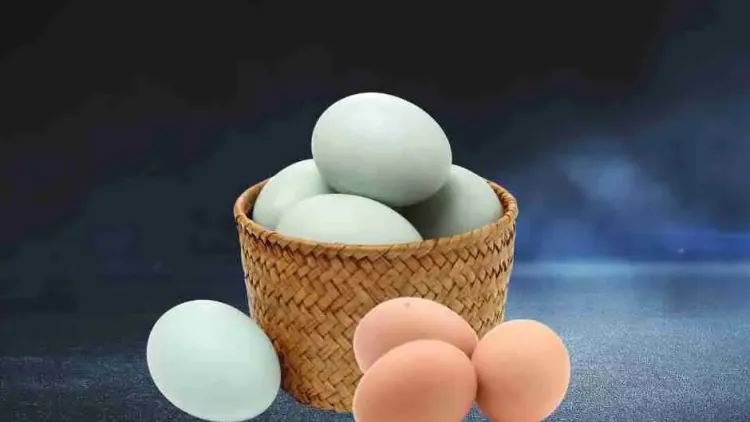
- Chicken egg (large): 50–60 grams about the size of a small kiwi. Shell is plain white or brown, relatively thin but sturdy.
- Quail egg: 9–12 grams roughly the size of a large olive or cherry tomato. Shell is cream-colored with distinctive dark speckles and no two look identical. The inner membrane is noticeably tougher, which makes cracking them trickier than it looks.
Yolk-to-White Ratio
This is where things get interesting. Quail eggs have a disproportionately large yolk relative to their size. Crack one next to a chicken egg and you'll see immediately that oversized, deeply golden yolk is exactly why chefs prize them for their rich, creamy flavor and why the texture is so noticeably different.
Nutrition Comparison Per 100 Grams
To make a fair comparison, the data below is standardized to 100 grams roughly five quail eggs or two large chicken eggs.
The headlines: quail eggs edge ahead on iron, vitamin B12, and riboflavin. Chicken eggs match them closely on most other measures, but at a fraction of the cost and in a much more practical serving size.
Protein: Does Either Egg Win?
Both eggs provide complete protein with all nine essential amino acids. Per 100g, the protein content is nearly identical: quail eggs come in at around 13g, chicken eggs at about 12.6g. The quality is essentially the same both score very high on protein digestibility scales.
For pure muscle-building or protein intake goals, there's no meaningful difference. The chicken egg wins on practicality: one large egg gives you 6g of protein at a fraction of the cost and preparation effort compared to eating five quail eggs.
Cholesterol and Heart Health: The Modern View
Quail eggs contain more cholesterol per 100g than chicken eggs (844mg vs. 373mg). This number sounds alarming until you remember two things: quail eggs are much smaller, so a single serving is typically 3–5 eggs rather than one; and dietary cholesterol's direct impact on blood cholesterol is more complicated than we believed in previous decades.
Current research suggests that for most people, moderate egg consumption doesn't meaningfully raise cardiovascular risk. The saturated fat in your overall diet has a greater influence on blood cholesterol than dietary cholesterol itself. That said, if you have a specific medical condition where cholesterol intake matters, this is worth discussing with your doctor regardless of which egg you are eating.
Where Quail Eggs Have a Real Advantage
Beyond the basic nutrition numbers, quail eggs have some specific claims worth examining:
- Higher iron content: Genuinely true per gram useful for people at risk of iron deficiency.
- More riboflavin (B2): Important for energy metabolism and eye health.
- Higher choline: Essential for brain and liver function quail eggs contain noticeably more per 100g.
- Allergy profile: Some people who react to chicken eggs tolerate quail eggs better, possibly due to different protein structures. This isn't universal and the evidence is mostly anecdotal, but it's worth trying if chicken egg allergy is a concern.
Taste and Texture: What to Expect
Here's where quail eggs genuinely stand apart for culinary purposes. The larger yolk-to-white ratio gives them a noticeably richer, creamier taste with a more intense egg flavor. Chefs who use them aren't doing it just for presentation the eating experience is legitimately different.
Chicken eggs have a more neutral, balanced flavor that works in a wider range of applications: baking, scrambling, frying, poaching. Quail eggs shine where a concentrated egg flavor is the point soft-boiled on ramen, fried on canapés, or pickled as a bar snack.
Cooking and Peeling: The Practical Side
Quail eggs cook in roughly a third of the time a chicken egg does about 2 minutes for soft-boiled, 4 for hard. The catch is peeling. That tougher membrane plus the tiny size makes peeling quail eggs considerably fiddlier than their chicken counterparts. They also require a small sharp knife or dedicated quail egg scissors to crack cleanly without crushing the yolk.
For everyday cooking weekend scrambled eggs, midweek omelets, baking chicken eggs win on pure practicality. Quail eggs are worth the extra effort when presentation matters or you specifically want the richer flavor they provide.
Price and Availability
Chicken eggs remain one of the most cost-effective protein sources on the planet. Quail eggs typically cost 3–5 times more per unit and aren't available at every grocery store you'll often need a specialty grocer, Asian supermarket, or farmers' market.
For everyday nutrition, chicken eggs are simply unbeatable on value. Quail eggs make sense as an occasional specialty ingredient rather than a dietary staple for most people.
Allergies and Food Safety
Egg allergy is one of the most common food allergies, especially in children. The primary allergens in chicken eggs are ovalbumin and ovomucoid (proteins in the egg white). Quail eggs contain different protein variants, which is why some chicken-egg-allergic individuals tolerate them but cross-reactivity is also common, so this should only be tried with medical guidance.
Food safety rules are the same for both: refrigerate promptly, cook thoroughly for vulnerable groups (children, pregnant women, elderly), and check for cracks before use.
Final Verdict: Which Egg Should You Choose?
For daily nutrition and value: Chicken eggs are hard to beat. Complete protein, wide availability, extremely cost-efficient, and endlessly versatile in the kitchen.
For micronutrient density, culinary impact, or specific health goals: Quail eggs earn their premium price. The extra iron, B12, choline, and the genuinely superior flavor make them worth incorporating if budget allows.
The smarter approach for most people: Keep chicken eggs as your everyday staple and use quail eggs as a periodic upgrade for a special brunch, a restaurant-quality bowl topper, or when you want to explore a richer egg flavor. You don't have to pick one forever; both have a place in a well-rounded kitchen.
Eat Healthy, Live Well