Is Semolina Gluten Free? The Definitive Guide for Celiacs & Healthy Eaters
Is semolina gluten-free? No — it's a high-gluten wheat flour that's completely off-limits for celiacs and anyone with gluten sensitivity. We explain why, plus list the best gluten-free substitutes for pasta, pudding, and baking.
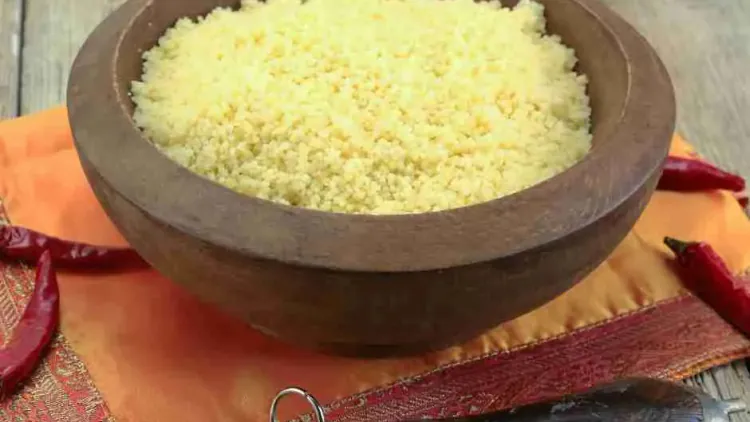
If you've recently been diagnosed with celiac disease or started a gluten-free diet, encountering "semolina" on a label can create a moment of confusion. It doesn't sound as obvious as "wheat flour," and some people have been given the false hope that it might be safe. It isn't.
Straight answer: semolina is not gluten-free. It is produced directly from durum wheat one of the highest-gluten grain varieties that exists. In fact, semolina is valued specifically because of its strong gluten content, which gives pasta its satisfying chew and structural integrity. There is no version of semolina that is safe for people with celiac disease, non-celiac gluten sensitivity, or wheat allergy.
This guide explains what semolina actually is, why it contains so much gluten, which common foods it hides in, and the best substitutes so you can replicate similar textures in your cooking without the risk.
What Is Semolina?
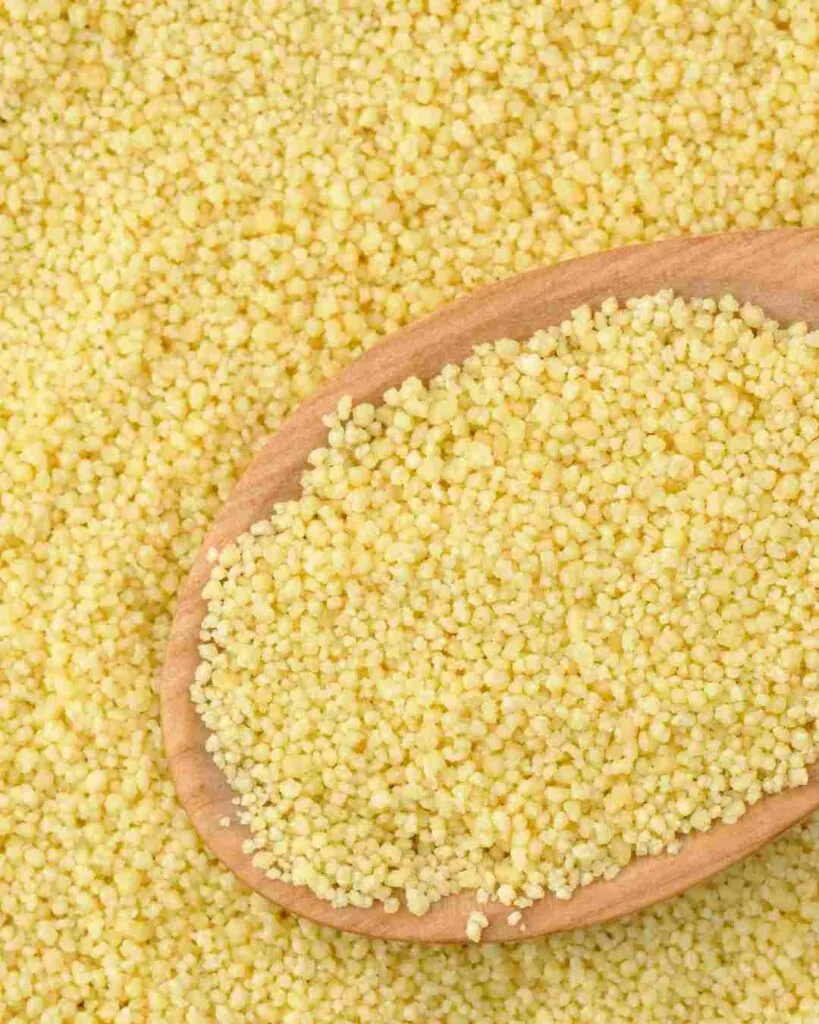
Semolina is the coarse, granular product left over after durum wheat (Triticum turgidum subsp. durum) is milled and the fine flour is removed. When durum kernels are cracked and sifted, the result is a sandy, pale-golden flour with a gritty texture quite different from the fine white powder of all-purpose flour.
Key characteristics:
- Made exclusively from durum wheat always wheat, no exceptions
- Protein content around 13% or higher, which creates strong gluten networks
- Coarse texture and naturally golden color from carotenoid pigments in the grain
Where You'll Find Semolina
- Traditional Italian dried pasta semolina and water are the classic combination
- Couscous those tiny North African pearls are made by rolling semolina
- Cream of Wheat and similar wheat porridges
- Semolina pudding (common in British and Middle Eastern cooking)
- Dusting pizza stones and bread peels to prevent sticking
- Upma, sooji halwa, and other South Asian dishes (see post on sooji/suji for more)
Does Semolina Contain Gluten? The Definitive Answer
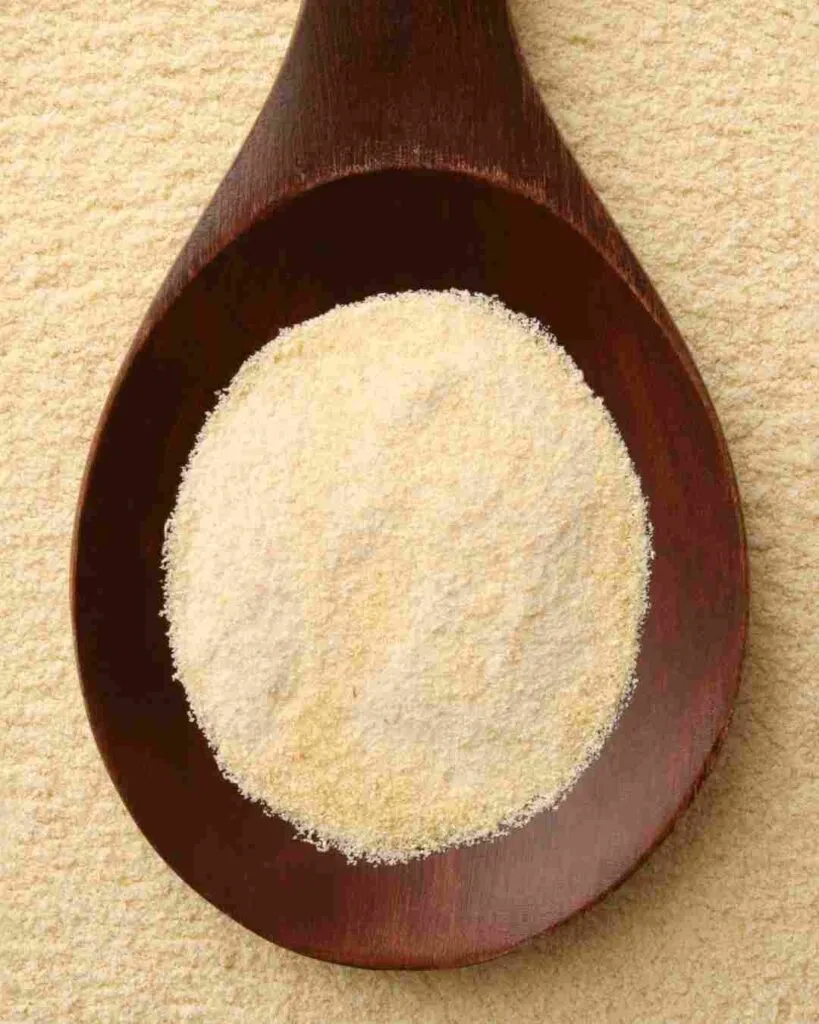
Yes emphatically. Semolina contains a high concentration of gluten. Durum wheat is biologically still wheat, and all forms of wheat contain gliadin and glutenin proteins that together form gluten. Semolina tests at thousands of parts per million (ppm) for gluten that's orders of magnitude above the 20 ppm threshold considered safe for most celiacs.
Does Durum Wheat Differ From Regular Wheat?
Durum wheat is harder and higher in protein than common wheat but it's still wheat. There is no processing method, cooking technique, or preparation that removes gluten from semolina. The gluten in durum is actually stronger and more developed than in soft wheat varieties, which is exactly why pasta made from semolina holds up to cooking without going mushy.
Anyone claiming semolina is safe for celiacs is incorrect. Full stop.
Semolina Products That Are Never Gluten-Free
- Semolina pasta: Any pasta labeled "durum wheat semolina" or "made with semolina" contains gluten. That includes most Italian dried pasta brands unless they specifically say "gluten-free."
- Couscous: Traditional couscous is 100% semolina not gluten-free. There are GF couscous-style products made from corn or rice, but standard couscous is unsafe.
- Cream of Wheat: A semolina-based hot cereal. Not gluten-free regardless of any "natural" claims on the label.
- Semolina bread and pizza dough: Some artisan bread recipes use semolina for a crustier texture always off-limits for celiacs.
Is Semolina Healthy for People Who Can Eat Gluten?
For people without gluten-related conditions, semolina is a decent grain with some nutritional value:
- Good protein for a grain: ~13g per 100g dry weight, with a better amino acid profile than most refined flours
- Low glycemic index relative to refined white flour digests more slowly, providing more sustained energy
- Rich in selenium and B vitamins (especially when enriched)
- Good source of iron and folate
Durum semolina pasta is genuinely better than pasta made from highly refined flour, but it's still a refined grain product rather than a whole grain. Whole wheat pasta provides more fiber. For the gluten-tolerant population, semolina-based foods are a reasonable carbohydrate choice just not superior to whole grain options.
The Best Gluten-Free Substitutes for Semolina
Depending on what you need the semolina for, different substitutes work best:
For Pasta
- Rice flour pasta / corn pasta: Widely available, closest texture to semolina pasta. Look for blends that include corn and rice.
- Chickpea pasta: Higher protein than semolina pasta, slightly earthier flavor, holds up well to cooking.
- Quinoa pasta: Complete protein, nutty flavor, slightly more delicate texture.
For Porridge and Pudding (replacing Cream of Wheat / semolina pudding)
- Polenta (cornmeal): The most direct substitute for texture and cooking method. Certified GF polenta is widely available.
- Rice semolina (finely ground rice): Sold in South Asian grocery stores as "rice rava" nearly identical appearance to wheat semolina.
- Millet semolina: Less common but available in health food stores similar gritty texture with a mild flavor.
For Baking (surface dusting, pizza stones, crusts)
- Certified GF cornmeal or polenta: Works exactly the same for dusting pizza peels and providing crust crunch.
- White rice flour: Good for crusts and the base of GF pasta doughs.
- Cassava flour: Fine for recipes where semolina provides structure in baked items.
Label Reading Tips for Celiacs
Semolina hides under several names on ingredient lists:
- "Durum wheat semolina" or "durum semolina" same thing, contains gluten
- "Wheat semolina" obviously wheat
- "Semolina flour" still wheat
- "Farina" sometimes used for semolina-like wheat products
- "Sooji" or "suji" or "rava" Indian names for semolina; contains gluten unless specifically labeled rice/corn rava
When in doubt, look for the certified gluten-free symbol rather than relying on ingredient names you are uncertain about. The GFFS (Gluten Free Food Service) and GFCO (Gluten-Free Certification Organization) marks mean independent testing has confirmed less than 10–20 ppm gluten.
Common Questions
Is corn semolina gluten-free?
Yes "corn semolina" or cornmeal is a coarse-ground corn product with no wheat involved. It's a different food from wheat semolina despite the shared name. Polenta is essentially the same product and is naturally gluten-free.
Is rice semolina gluten-free?
Yes rice rava or rice semolina is ground rice, naturally gluten-free. It's widely used in South Indian cooking as a direct substitute for wheat semolina in dishes like upma. Always check for cross-contamination warnings if you are highly sensitive.
Can I eat "wheat-free" semolina pasta?
There's no such thing as wheat-free semolina semolina is always made from wheat. If a product says "wheat-free semolina" it's either mislabeled or made from a non-wheat grain and calling itself "semolina" loosely. Read the actual ingredients.
What This Means for You
Semolina is never gluten-free. It is a wheat product with high gluten content, unsafe for anyone with celiac disease, non-celiac gluten sensitivity, or wheat allergy. Avoid all products labeled with semolina, durum wheat semolina, sooji, or rava unless specifically labeled rice rava or corn semolina with a gluten-free certification.
Good substitutes exist for every use case: corn polenta for porridge, rice or chickpea pasta for noodle dishes, and certified GF cornmeal for baking dusting. You don't need semolina you just need to know what to swap in.
Eat Healthy, Live Well