Egg Roll vs Spring Roll: What’s the Real Difference?
Egg roll vs spring roll — same thing or totally different? We break down the wrapper, filling, frying method, calorie count, and regional variations so you know exactly which one to order (and which is actually healthier).
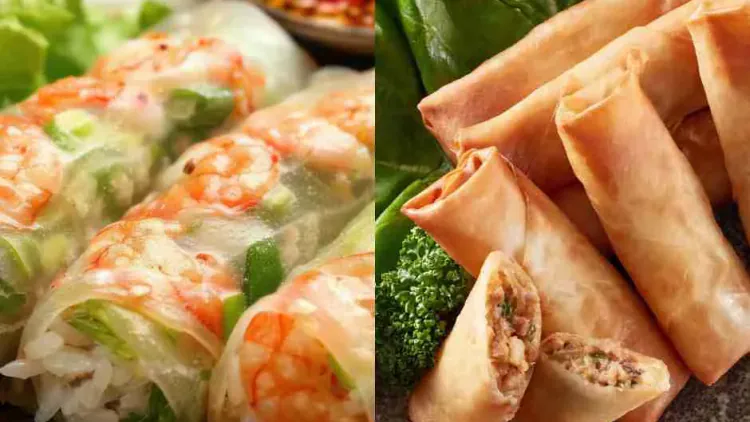
You are staring at a Chinese takeout menu and there they are: egg rolls and spring rolls, listed as if they are interchangeable. They kind of look the same. Both are fried, both come with dipping sauce, both disappear suspiciously fast from the appetizer plate.
But they are genuinely different different wrappers, different fillings, different textures, different calorie counts, and different cultural origins. Mixing them up at a dim sum restaurant will get you a polite correction from whoever is pouring the tea.
Here's everything you need to know to tell them apart, choose the right one, and understand why one shatters when you bite in while the other gives you a chewy, satisfying crunch.
Quick Comparison: Egg Roll vs Spring Roll
What Actually Is Each One?
The Egg Roll
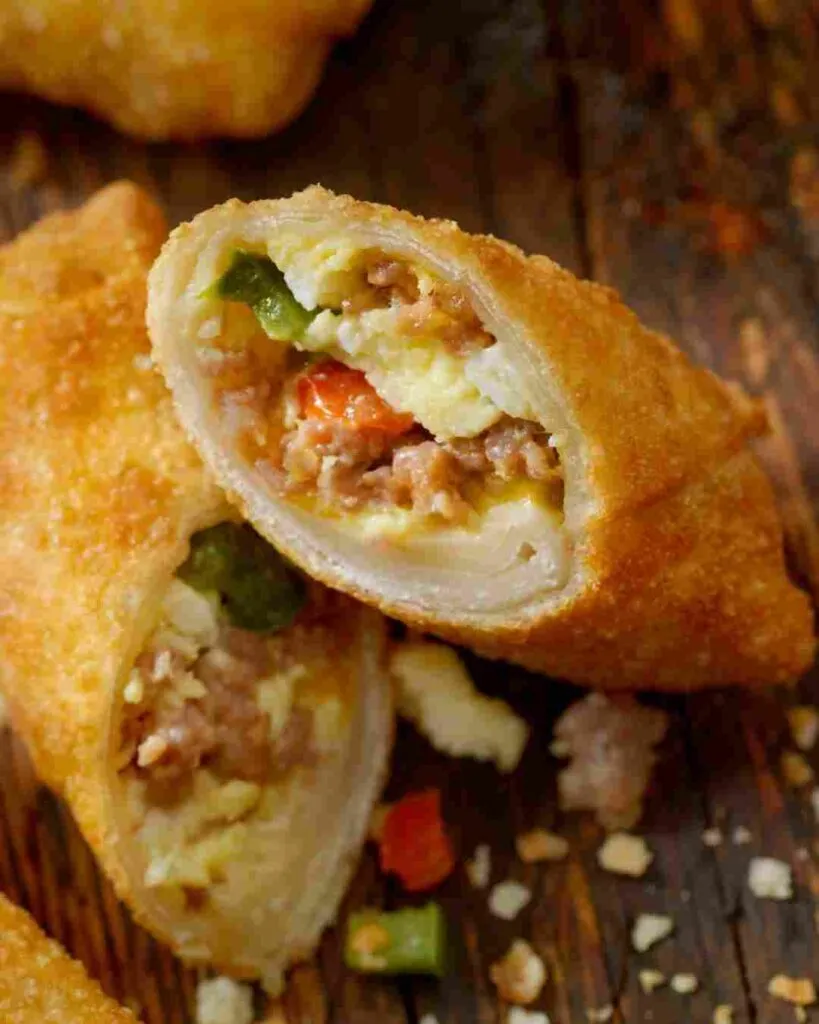
An American-Chinese invention that developed in the early 20th century. The defining feature is the thick, wheat-based wrapper that contains egg giving it a blistered, bubbly, chewy exterior after deep frying. Fillings are hearty: cabbage, pork, shrimp, or a mix, seasoned generously. Think of it as a compact, crispy package of savory comfort food.
The Spring Roll
Spring rolls come in two main forms. The fried version uses a thin rice flour or wheat-starch wrapper that fries up paper-crispy and practically shatters when you bite it. The fresh (non-fried) Vietnamese version uses a translucent rice paper wrapper and is served cold or at room temperature completely different experience. Traditional spring rolls originated in East and Southeast Asian cuisines and historically celebrated the arrival of spring with fresh seasonal vegetables.
The Biggest Difference: The Wrapper
The wrapper is where egg rolls and spring rolls diverge most decisively:
- Egg roll wrapper: Thick, wheat-based dough with egg mixed in. After frying it develops a characteristic bubbly, blistered surface chewy and slightly doughy, not crispy in the same way. This wrapper contributes significantly more calories and carbs than a spring roll wrapper.
- Fried spring roll wrapper: Thin rice or wheat-starch pastry that fries to a shatteringly crispy shell with an almost translucent appearance. Much lighter and more delicate.
- Fresh spring roll wrapper (bánh tráng): Dried rice paper soaked in water until pliable. Translucent, slightly chewy, and not fried at all. A completely different product from either of the above.
What's Inside: Filling Differences
Egg Roll Fillings
Egg rolls typically use a cooked filling: shredded cabbage, ground or pulled pork, shrimp, sometimes bean sprouts or mushrooms. The filling is seasoned well and packed in generously. The substantial wrapper is designed to hold up to these hearty, often wetter fillings.
Spring Roll Fillings
Fried spring rolls tend to use lighter, drier fillings delicate vegetables, thin glass noodles, minced meat so the thin wrapper doesn't get soggy before it crisps. Fresh Vietnamese spring rolls (gỏi cuốn) are packed with rice noodles, shrimp, pork slices, fresh herbs like mint and basil, and lettuce, served with peanut or hoisin dipping sauce.
Regional Styles You Should Know
- American-Chinese egg rolls: The classic thick, bubbly, pork-and-cabbage version with sweet and sour or duck sauce on the side.
- Cantonese spring rolls (chūn juǎn): Smaller, thinner-wrapped, often with pork or shrimp, shiitake mushrooms, and bamboo shoots. Frequently found at dim sum.
- Vietnamese fresh spring rolls (gỏi cuốn): Unfried, fresh rice paper rolls filled with herbs, shrimp, pork, and vermicelli bright, clean flavors, typically served cold.
- Filipino lumpia: Thin-wrapper fried rolls often with a pork, vegetable, or banana filling depending on the style (lumpiang shanghai vs. lumpiang sariwa).
- Taiwanese run bing: A soft flour-skin fresh roll filled with stir-fried vegetables, ground peanuts, and egg often served as a street food snack.
Calories and Nutrition: Which Is Healthier?
This depends heavily on which type of spring roll you are comparing:
- Egg roll: Typically 200–250 calories each (large, deep-fried). Higher in fat and carbs due to the thick wheat wrapper.
- Fried spring roll: Usually 80–150 calories each (smaller, thinner wrapper). Lighter on calories and fat, but still deep-fried.
- Fresh Vietnamese spring roll: Around 70–130 calories per roll. No frying means dramatically less fat, and the rice paper is naturally lighter. Genuinely the most nutritious option of the three.
If you are counting calories or fat intake: fresh spring rolls are clearly the winner. If you want the full deep-fried experience, fried spring rolls deliver crunch with fewer calories than egg rolls. Egg rolls are the indulgence option delicious, but the most calorie-dense of the three.
Taste, Texture, and When to Order Which
- Choose an egg roll when: You want something hearty, filling, and deeply savory with that signature chewy-crispy wrapper and American-Chinese takeout flavor.
- Choose a fried spring roll when: You want maximum crunch in a lighter package the thin wrapper shatters satisfyingly and the filling is delicate.
- Choose a fresh spring roll when: You want something refreshing, lighter, and nutritious perfect as a starter or when you want all the fresh herb and shrimp flavor without any oil.
Frequently Asked Questions
Do egg rolls actually contain egg?
The wrapper contains egg mixed into the wheat dough. The filling usually does not. So yes, egg rolls contain egg, but it's in the shell, not the stuffing.
Are spring rolls and egg rolls the same thing?
No. Egg rolls are a specific American-Chinese creation with a thick, egg-containing wrapper. Spring rolls are a broader category with multiple regional variations, thinner wrappers, and can be fried or fresh/unfried.
Are spring rolls gluten-free?
Fresh Vietnamese spring rolls made with rice paper are naturally gluten-free. Most fried spring rolls and all egg rolls contain wheat and are not gluten-free unless specifically made with GF wrappers.
Which is crispier?
Fried spring rolls win the crispiness contest the thin wrapper fries to a shattering crisp. Egg rolls are crunchier in a different way more bubbly, blistered, and chewy-crispy rather than paper-crisp.
The Verdict: Which Should You Order?
For maximum crunch and light calories: go fried spring roll. For hearty, filling takeout comfort: egg roll. For the healthiest, most nutritious option on the menu: fresh Vietnamese spring rolls aren't even close they win outright on nutrition while still being genuinely satisfying.
Now that you know the difference, you'll never accidentally order the wrong one again and you'll have a better answer ready the next time someone at the table says "they are basically the same thing."
Eat Healthy, Live Well