Broccoli Nutrition Guide: Calories, Carbs, Protein, Fiber & Health Benefits
A complete broccoli nutrition breakdown — calories, net carbs, protein, fiber, vitamins, and the science behind sulforaphane. Find out why dietitians and researchers consistently rank broccoli at the top of nutrient-dense foods.
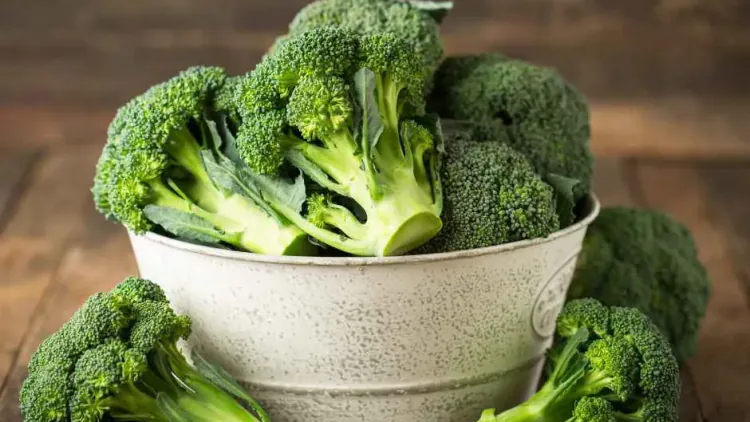
If you had to pick one vegetable to eat every single day for the rest of your life, most nutrition researchers would point you toward broccoli. It's not hype. The nutritional data is genuinely impressive low in calories, high in fiber, rich in vitamins C and K, and home to a compound called sulforaphane that activates some of the most powerful detoxification pathways in human biology.
This guide gives you the complete picture: every macronutrient, the key vitamins and minerals, what cooking does to the numbers, and the evidence behind the health claims.
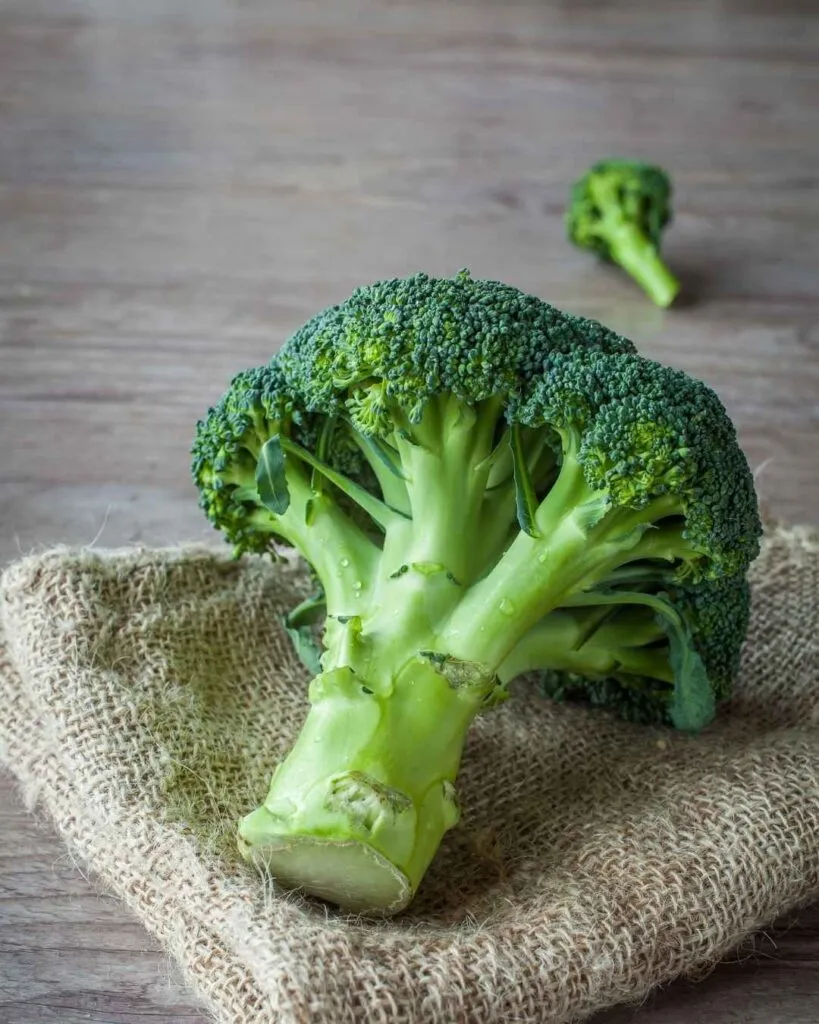
Macronutrients at a Glance
Source: USDA FoodData Central. Cooked values assume no added fat or salt.
A cup of raw broccoli florets clocks in at around 30–35 calories. That's almost nothing. The reason cooked broccoli appears higher per cup is water loss once moisture evaporates during steaming or boiling, the nutrients concentrate. On a per-100g basis, raw and cooked broccoli are virtually identical in calories (~34 kcal/100g).
Carbohydrates and Fiber in Broccoli
Most people hear "carbs" and get nervous, but broccoli's carbohydrate story is almost entirely fiber not sugar, not starch. That distinction matters enormously for blood sugar and insulin response.
- Raw (1 cup): ~6g total carbs, ~2.4g fiber → net carbs: ~3.6g
- Cooked (1 cup): ~11g total carbs, ~5g fiber → net carbs: ~6g
- Glycemic load: approximately 1–2 per serving essentially negligible
For anyone on keto, low-carb, or a diabetic diet, broccoli is one of the safest and most filling vegetables you can eat in generous quantities.
Nutrient
Raw (≈91 g)
Steamed/Boiled (≈156 g)
Main Role
Calories
31 kcal
55 kcal
Very low-energy density
Total Carbohydrates
6.0 g
11.2 g
Mostly complex + fiber
Dietary Fiber
2.4 g
5.1 g
Digestive & microbiome support
Net Carbs
3.6 g
6.1 g
Very low-glycemic
Protein
2.6 g
3.7 g
Respectable for a vegetable
Total Fat
0.3 g
0.6 g
Negligible unless oil added
Protein Content
Broccoli won't replace a chicken breast, but for a vegetable, it delivers an unusually solid protein contribution. About 30–35% of broccoli's calories come from protein a ratio that's high for any plant food.
- 1 cup raw: ~2.6g protein
- 1 cup cooked: ~3.7g protein
- Per 100g raw: ~2.8g protein
Broccoli contains all nine essential amino acids, though methionine is limited. Pair it throughout the day with grains, legumes, or nuts to round out your amino acid profile if you are eating plant-forward.
Key Vitamins and Minerals
| Nutrient | Raw (≈91 g) | Steamed/Boiled (≈156 g) | Main Role |
| Calories | 31 kcal | 55 kcal | Very low-energy density |
| Total Carbohydrates | 6.0 g | 11.2 g | Mostly complex + fiber |
| Dietary Fiber | 2.4 g | 5.1 g | Digestive & microbiome support |
| Net Carbs | 3.6 g | 6.1 g | Very low-glycemic |
| Protein | 2.6 g | 3.7 g | Respectable for a vegetable |
| Total Fat | 0.3 g | 0.6 g | Negligible unless oil added |
Two standouts here: broccoli delivers nearly your entire daily vitamin C in one cup, and over 85% of your daily vitamin K. These aren't trace amounts they are meaningful contributions in a vegetable that costs under a dollar a serving.
Health Benefits Backed by Research
-
Detoxification and antioxidant support
When you chop or chew broccoli, it triggers the formation of sulforaphane a compound that activates phase II liver detox enzymes via the Nrf2 pathway. This process helps your body neutralize potential carcinogens and reduce oxidative stress. -
Anti-inflammatory effects
Kaempferol, sulforaphane, and other flavonoids in broccoli help dial down chronic inflammation which underlies heart disease, type 2 diabetes, and many cancers. These aren't minor effects; they are among the most studied anti-inflammatory mechanisms from any common food. -
Cardiovascular protection
High potassium helps regulate blood pressure. Soluble fiber lowers LDL cholesterol. Sulforaphane improves endothelial function and reduces inflammation in blood vessel walls. A solid triple-action benefit. -
Cancer risk reduction
Large observational studies consistently link higher cruciferous vegetable intake especially broccoli to lower risk of colorectal, lung, breast, prostate, and bladder cancers. Lab and animal studies show sulforaphane and indole-3-carbinol induce apoptosis in abnormal cells, inhibit HDAC enzymes, and modulate estrogen metabolism. -
Gut and digestive health
Insoluble fiber promotes regularity and prevents constipation. Soluble fiber feeds beneficial bacteria, which produce short-chain fatty acids (especially butyrate) that fuel colon cells, reduce inflammation, and strengthen the gut barrier. -
Eye health
Broccoli contains lutein and zeaxanthin carotenoids that accumulate in the retina and protect against blue-light damage, reducing risk of age-related macular degeneration and cataracts over time.
Raw vs. Cooked: What You Lose and Gain
- Raw: Highest vitamin C content; highest myrosinase enzyme activity, which maximizes sulforaphane production when you chop and chew it.
- Lightly steamed (3–5 minutes): Best overall balance retains most heat-sensitive nutrients while improving digestibility and boosting bioavailability of fat-soluble carotenoids like lutein and beta-carotene.
- Boiled: Leaches water-soluble vitamins into the cooking water. If you toss the water, you are losing nutrients. Use as little water as possible or repurpose it in soup.
A practical tip worth remembering: chop broccoli about 40 minutes before you cook it. This gives the myrosinase enzyme time to work at room temperature and generate more sulforaphane before heat deactivates it.
Common Questions Answered
- Is broccoli keto-friendly? Yes with only 3.6g net carbs per cup raw, it's one of the most keto-compatible vegetables available.
- Does broccoli cause gas and bloating? It can, especially when you increase intake suddenly. Raffinose (a complex sugar) and fiber ferment in the colon and produce gas. This usually improves as your gut bacteria adapt. Start with smaller portions and cook it lightly.
- Is frozen broccoli as nutritious as fresh? Usually yes and sometimes better. Frozen broccoli is processed at peak ripeness, locking in nutrients. Fresh broccoli that sat in a truck and on a shelf for days can be comparatively depleted.
- Can you eat too much broccoli? Very unlikely for most people. The only realistic concerns are very high vitamin K intake for people on warfarin, or excessive raw intake for people with severe hypothyroidism and iodine deficiency (goitrogens largely neutralized by cooking).
So, The Final Word
Broccoli isn't just healthy in a vague, "eat your vegetables" way. The data is specific and impressive. Extremely low calories. Near-complete daily vitamin C and K in one cup. Fiber that feeds your gut microbiome. Sulforaphane that activates detox pathways most foods don't touch. A glycemic load so low it barely registers.
Whether you eat it raw, lightly steamed, roasted, or stir-fried aim for regular inclusion. A cup or two most days is one of the simplest, most well-evidenced upgrades you can make to your long-term diet.