Are Olives Healthy? Everything You Need to Know About Nutrition, Benefits, and Downsides
Are olives healthy or just a high-sodium indulgence? We dig into the real nutrition facts, explain the heart-protective fats, compare green versus black olives, and answer whether eating them daily is actually a good idea.
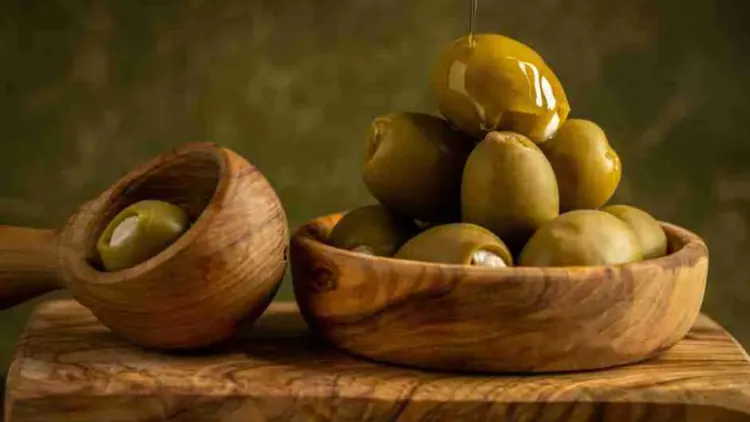
They've been sitting in brine jars and clay pots for literally thousands of years. They top pizzas, anchor charcuterie boards, and bring that unmistakably briny hit to a good martini. But when you reach into the jar for another handful, a real question lingers: are olives actually healthy?
The truth is yes with one important caveat that most people overlook: sodium. Olives are botanically a stone fruit, relatives of peaches and cherries that we've somehow ended up treating as a savory ingredient. For centuries they were prized for both flavor and healing properties, and modern nutrition science has largely backed that reputation up. Heart-protective monounsaturated fats, powerful antioxidants, anti-inflammatory polyphenols it's a genuinely impressive nutrient profile.
But traditional curing transforms a bitter, nearly inedible raw olive into the sodium-heavy snack we know and love, which creates mixed messages. So which is it superfood or salt bomb? This guide settles it with real nutrition data.
Is Eating Olives Every Day Actually OK?
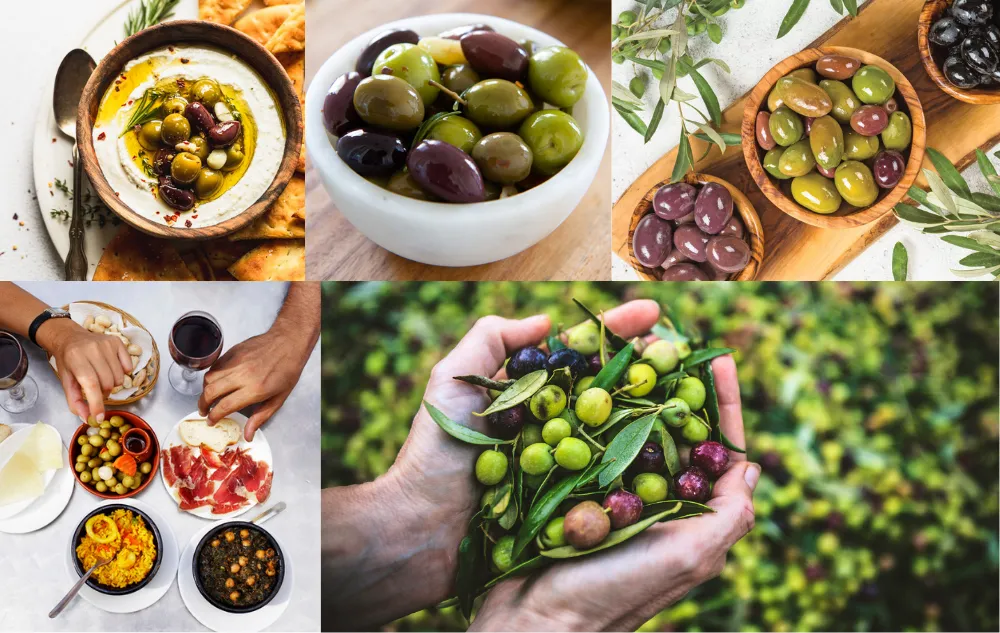
Yes for most adults, daily olive consumption is not only fine but actively beneficial. The Mediterranean diet, which regularly ranks at the top of global health research, treats olives as a cornerstone ingredient rather than an occasional treat. The key is portion size and sodium management, which we'll cover below.
Olive Nutrition: What Makes Them Worth Eating
What sets olives apart from most other fruits is their unusual macronutrient profile very low in sugar and carbs, relatively high in fat, and packed with protective compounds.
Calories and Macros
Around 5–10 olives (1 oz / 28 g) gives you roughly 40–60 calories. The breakdown:
- Carbohydrates: Under 1g net genuinely keto and low-carb friendly
- Fiber: 1–2g helps with digestion and keeping you full
- Fat: 4–6g predominantly monounsaturated fat (oleic acid), the same beneficial fat found in extra-virgin olive oil and avocados
- Protein: Minimal
Key Micronutrients and Antioxidants
- Vitamin E: An excellent plant-based source; protects cells and skin from oxidative damage
- Iron: Notably higher in black olives; supports energy production and oxygen transport
- Copper: Important for healthy heart and blood vessel function
- Calcium: Often absorbed from the curing brine; contributes to bone health
- Polyphenols (Oleuropein and Hydroxytyrosol): Potent anti-inflammatory and antioxidant compounds linked to reduced risk of chronic disease
In short: olives deliver quality fats, meaningful micronutrients, and bioactive protection in a low-sugar, calorie-modest package.
Do Olives Make You Gain Weight? The Fat Question
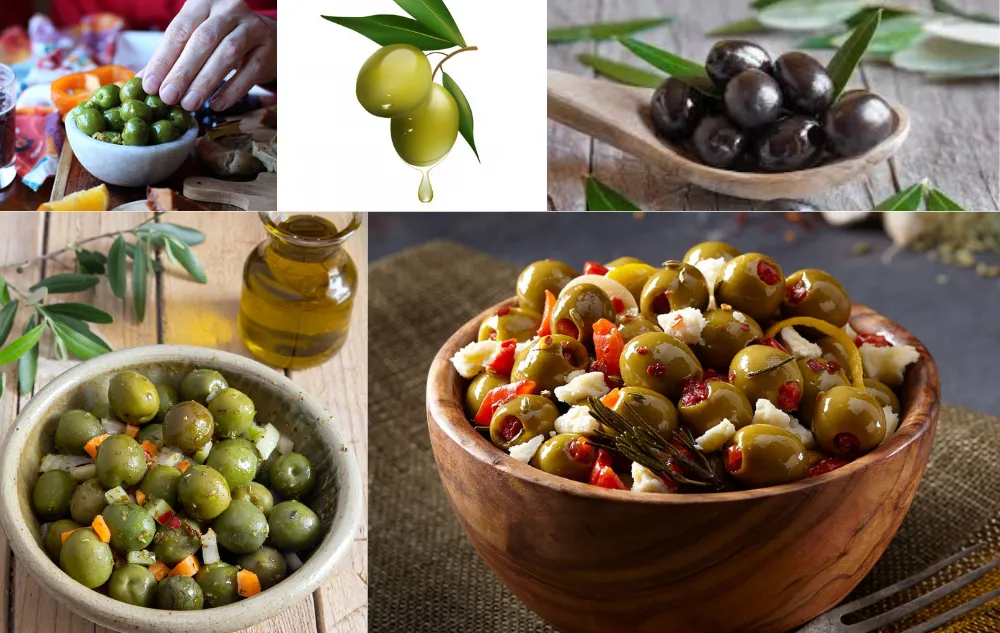
The 1990s convinced an entire generation that dietary fat was the enemy. We now know that's not how it works especially with monounsaturated fat.
Why the Fat in Olives Is a Good Thing
- Lowers LDL ("bad") cholesterol while maintaining or raising HDL ("good") cholesterol
- Reduces inflammation and improves how blood vessels function
- Promotes satiety, which naturally helps curb overeating
Can You Eat Too Many Olives?
Any calorie-dense food can contribute to weight gain if you eat enough of it. But olives tend to be self-regulating the intense, briny flavor and rich mouthfeel mean most people naturally stop after a small handful. Ten large olives run about 50 calories of genuinely nutritious fat, compared to a similar calorie count from chips or crackers that deliver far less in return.
The smarter move: Replace your usual salty processed snack with olives. You'll satisfy the craving and get real nutritional value instead of empty calories.
Are Olives Good for Your Heart?
The Mediterranean diet has topped cardiovascular health rankings for years in a row and olives are a big reason why. Here's what the research shows:
Cardiovascular Protective Mechanisms
- Oleic acid and polyphenols lower oxidized LDL the genuinely dangerous form that damages artery walls
- Improve endothelial function, meaning more flexible, healthier arteries
- Reduce systemic inflammation, which is a key driver of atherosclerosis and plaque buildup
The Sodium Trade-Off
High sodium from brining is the main catch. For people who are salt-sensitive, this can nudge blood pressure in the wrong direction. The easy fix: rinse olives under water before eating (this removes roughly 30% of surface salt), seek out low-sodium options, or go for oil-cured varieties which tend to have lower sodium content.
Overall verdict: For most people, moderate olive consumption meaningfully supports heart health. The benefits comfortably outweigh the sodium concern when portions are reasonable.
Daily Olives: How Many and When?
For most healthy adults, eating olives daily is completely fine. A sensible portion is 5–10 olives (about 1 oz / 28 g) most days enough to get the benefits without stacking sodium too high.
Managing the Sodium
- Give them a quick rinse before eating
- Choose low-sodium or no-salt-added jars when you can find them
- Balance them with an otherwise low-sodium diet rich in vegetables, fruits, and unsalted nuts
Best Times to Eat Them
- Pre-meal as an aperitivo the fat helps curb appetite before the main course
- Afternoon snack steady energy without a sugar crash
- With meals adds richness and satisfaction without meaningfully increasing calories
Olives and Weight Loss
Used smartly, olives can genuinely support weight management.
- High satiety from the fat and fiber combination means fewer total calories consumed over the day
- They add flavor to vegetables and lean proteins, making healthy meals more enjoyable and sustainable
- They replace ultra-processed salty snacks that drive overeating without providing any nutritional payoff
One trick worth trying: Eat 5 olives about 15–20 minutes before dinner. The fat content signals fullness hormones, which often leads to naturally smaller portion sizes at the actual meal.
Are Olives Safe for Diabetics?
Very much so. Olives are one of the better snack choices for people managing diabetes or blood sugar concerns:
- Glycemic index ≈ 0 essentially zero impact on blood glucose
- Oleic acid may improve insulin sensitivity over time
- The antioxidants help reduce oxidative stress, which is elevated in diabetes and contributes to complications
Best choice: low-sodium or rinsed olives to also protect cardiovascular health, which is a major concern alongside diabetes management.
Green vs. Black Olives: Is One Actually Healthier?
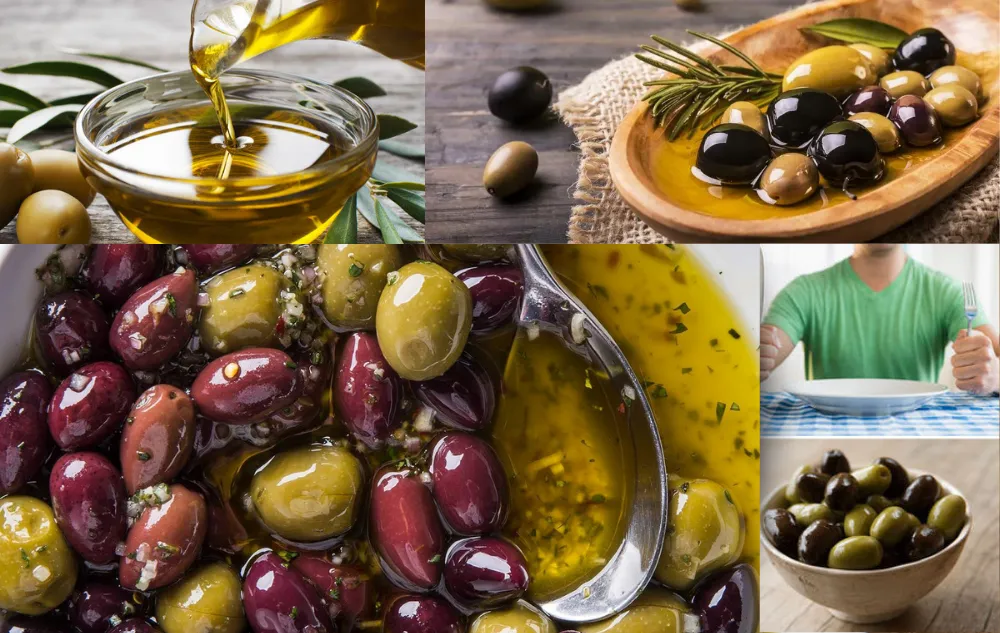
The difference comes down to ripeness at harvest and the curing method not a dramatic nutritional gap.
- Green olives: Harvested before full ripeness → firmer, tangier, often higher in Vitamin E, typically higher sodium
- Naturally black olives: Fully ripe → softer, more oil-rich, deeper flavor, often slightly lower sodium, higher iron content
- Canned "California-style" black olives: Actually green olives treated with lye and then oxidized → milder flavor, retain the iron and fat but lose some of the delicate polyphenols in the process
The winner? Whichever type you enjoy most with the lowest sodium you can find. If you are choosing for antioxidant density, Kalamata olives (naturally ripe and minimally processed) tend to edge ahead.
Specialty Olives Worth Knowing About
- Kalamata: High polyphenol content, minimal harsh processing one of the best choices overall
- Oil-cured or sun-dried: Concentrated nutrients, often lower sodium excellent option
- Stuffed (garlic, pimento, jalapeño): The stuffings add their own benefits; just watch the higher-calorie versions like blue cheese or almond stuffing
- Marinated: Delicious and adds flavor variety; check the oil quality and watch the overall calorie count
Final Verdict: Should You Eat Olives Regularly?
Yes, decisively. Olives deliver some of the best-quality fats and antioxidants available in a natural food. They protect the heart, reduce inflammation, stabilize blood sugar, and make healthy eating considerably more enjoyable. The only real caution is the sodium from curing, which is manageable through rinsing and smart brand choices.
A daily habit of 5–10 olives, rinsed when possible and from a naturally cured or low-sodium source, is one of the simpler things you can do for your long-term health. Grab the Kalamatas, skip the guilt, and eat well.
Eat Healthy, Live Well