Duck Eggs vs Chicken Eggs: Nutrition, Taste & Health Comparison
Duck eggs versus chicken eggs: which comes out ahead on nutrition, taste, and baking performance? We compare protein, fat, cholesterol, flavor, and practical kitchen uses so you can decide if duck eggs are worth the upgrade.
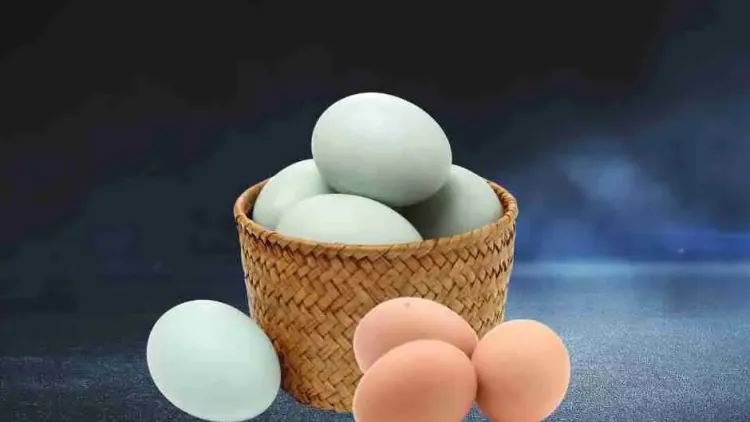
If you've ever spotted duck eggs at a farmers' market or specialty store, you probably paused for a second they are noticeably bigger than chicken eggs, often with a blue-green or pale white shell, and they come with a noticeably higher price tag. Worth it? Or is this just artisan food marketing?
Here's the truth: duck eggs are genuinely different from chicken eggs in ways that matter especially in the kitchen. They are richer, higher in protein and fat, produce bakery-quality results in baked goods, and have a flavor that serious cooks often prefer. But they are not necessarily better for everyone, and the price premium means you should know what you are actually getting before committing.
This is the complete comparison: nutrition, taste, texture, baking properties, allergy considerations, and a frank assessment of when the upgrade is worth it and when it isn't.
Duck Eggs vs Chicken Eggs: At a Glance
Physical Differences: What You'll Notice First
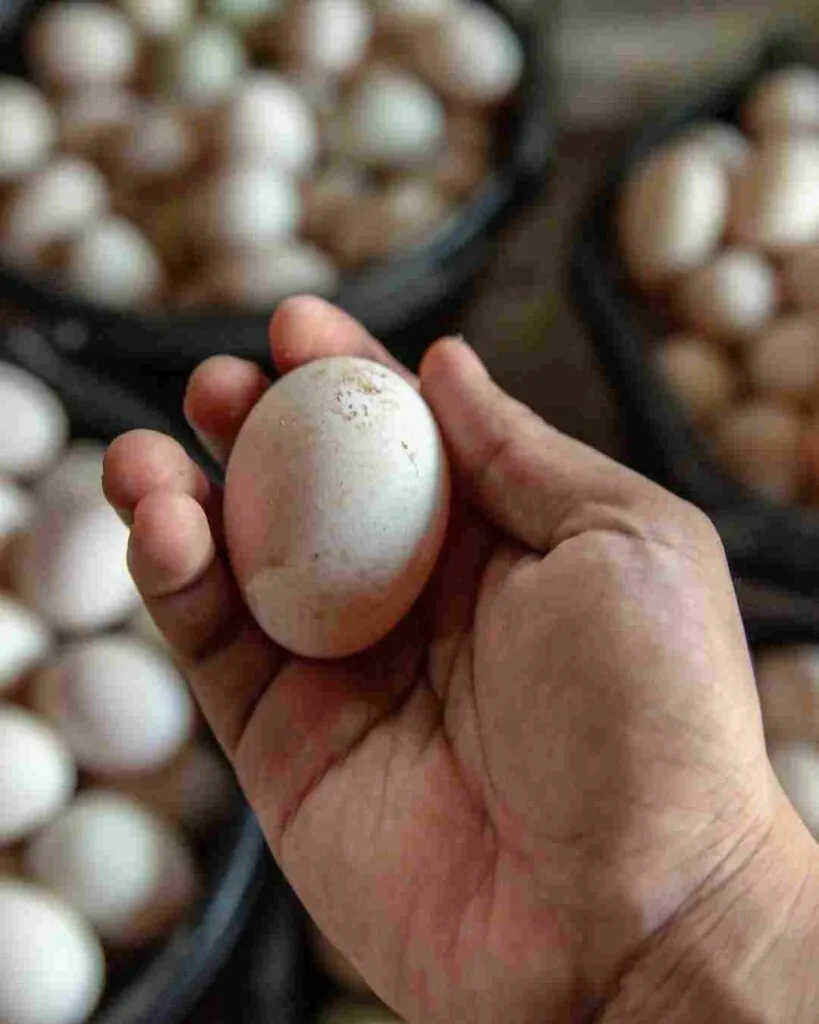
Duck eggs are roughly 50–100% larger than a standard large chicken egg a single duck egg can weigh 70–90 grams compared to a chicken egg's 50–60 grams. The shell is thicker and harder, which gives them a longer shelf life but also makes them slightly trickier to crack. Shell color varies by breed: white Pekin ducks lay pale white eggs; Indian Runners often produce blue-green eggs.
Crack one open and the difference becomes even more apparent. Duck egg yolks are larger, deeper orange, and proportionally bigger relative to the white. The white itself is thicker and more gel-like than a chicken egg white. This structural difference is exactly what makes them so useful in baking.
Nutrition Comparison Per 100 Grams
Duck eggs beat chicken eggs on most nutrition metrics, but the differences aren't as dramatic as the price gap might suggest:
- Protein: Duck eggs provide about 13g per 100g vs. 12.6g for chicken eggs. The real advantage is per-egg protein: one large duck egg delivers 9–10g vs. 6g from a large chicken egg, simply because duck eggs are bigger.
- Fat: Significantly higher about 13.8g per 100g vs. 10.6g for chicken eggs. More total fat, more saturated fat, and more of the valuable omega-3 fatty acids.
- Cholesterol: Higher per egg (619mg vs. 186mg in a large chicken egg) again, mostly a function of the larger yolk and egg size.
- Vitamin B12: Duck eggs contain meaningfully more B12, important for nerve function and red blood cell production.
- Choline: Higher in duck eggs critical for brain health and liver function.
- Iron: Slightly more per 100g than chicken eggs.
Taste and Texture: What Eating a Duck Egg Is Actually Like
This is where duck eggs earn their fans. The flavor is noticeably richer and more intense than a chicken egg more "eggy," with a creamier yolk and a white that has slightly more body. The higher fat content in the yolk contributes directly to this.
Some people find them too rich when scrambled or fried the flavor can feel overwhelming if you are used to the more neutral taste of chicken eggs. Others find it an upgrade they can't go back from. It really comes down to personal preference, but the flavor difference is real and noticeable, not subtle.
One word of caution: duck eggs from birds with access to ponds or natural forage can sometimes have a slightly gamey or "duck-like" undertone that some people dislike. Eggs from well-fed farm ducks typically taste cleaner.
Why Bakers and Chefs Prefer Duck Eggs
This is the unambiguous win for duck eggs. Professional bakers who've tried them often don't go back. Here's why:
- More egg white protein: The albumen (egg white) in duck eggs has a higher protein content, which means better structure and higher rise in cakes, soufflés, and meringues.
- Richer yolk: More fat and lecithin in the yolk create a more tender crumb in cakes and a richer flavor in custards, pastry creams, and pasta.
- Better emulsification: The higher lecithin content makes duck egg yolks superior emulsifiers great for making mayonnaise, hollandaise, or any sauce where you need yolk to bind fat and water.
- Higher moisture: Duck eggs have a slightly higher water content in the white, which helps keep baked goods moist longer.
For homemade pasta, birthday cakes, fresh custard, or anything where you want a richer, more impressive result duck eggs genuinely deliver something different and better.
Allergies and Food Safety
Duck eggs use different proteins than chicken eggs, which means some people with chicken egg allergies can tolerate them but cross-reactivity is also common. If you have a documented chicken egg allergy, consult with your allergist before trying duck eggs rather than experimenting without guidance.
Duck eggs can also carry Salmonella, same as chicken eggs. Refrigerate promptly, avoid feeding raw duck eggs to vulnerable groups (very young children, pregnant women, immunocompromised individuals), and cook to safe temperatures. Their thicker shells give them a slightly longer shelf life up to 6 weeks refrigerated vs. 3–5 weeks for chicken eggs but this isn't a reason to skip proper storage.
Price and Availability
Duck eggs typically cost 2–4 times more than chicken eggs and aren't available at every store. You'll generally find them at farmers' markets, specialty grocers, Asian supermarkets, or health food stores. Availability depends heavily on your location.
For daily use as a protein source, the cost premium makes them impractical for most people. As a specialty ingredient for baking projects or occasional upgrades to cooking absolutely worth trying.
The Verdict: When to Use Duck Eggs vs Chicken Eggs
Use chicken eggs for: Everyday cooking, meal prep, high-volume baking, and any situation where cost and convenience matter. They are reliable, widely available, and genuinely nutritious at an unbeatable price-per-gram-of-protein.
Use duck eggs for: Special bakes (a birthday cake or a batch of fresh pasta where the result really matters), hollandaise or custard where richer yolk flavor shines, or when you just want to taste what the fuss is about. They are a genuine culinary upgrade when used intentionally.
Bottom line: Both are excellent foods. Duck eggs aren't "better" in any absolute sense they are better for specific applications and for people who appreciate the richer flavor and texture. If you've never tried one, a farmers' market is the perfect place to start.
Eat Healthy, Live Well