Are Bananas Acidic? pH Levels, Digestion, Acid Reflux & Alkalinity Explained
Bananas are technically acidic (pH 4.5–5.2), but their alkaline-forming minerals make them one of the best fruits for soothing acid reflux. Learn how ripeness, digestion, and body chemistry all factor in.

Walk into any kitchen and you'll almost always find a bunch of bananas sitting on the counter. They are cheap, filling, and portable basically the perfect snack. But every now and then someone googles whether bananas are actually acidic, and suddenly things get complicated.
Here's the short version: bananas are mildly acidic by direct pH measurement, but they behave as an alkaline-forming food once your body digests them. That gap between "what the pH meter says" and "what actually happens in your body" is where most of the confusion lives.
This guide breaks it all down the pH numbers, how ripeness changes things, what this means for acid reflux, and why bananas still rank as one of the most stomach-friendly fruits you can eat.
Are Bananas Acidic? The pH Numbers
Lab tests place a typical ripe banana at a pH of 4.5–5.2. The pH scale runs from 0 (highly acidic) to 14 (highly alkaline), with 7 being neutral. So yes bananas fall below 7, which makes them technically acidic.
That said, they sit at the very mild end of the spectrum. Compare them to other fruits and they are practically gentle:
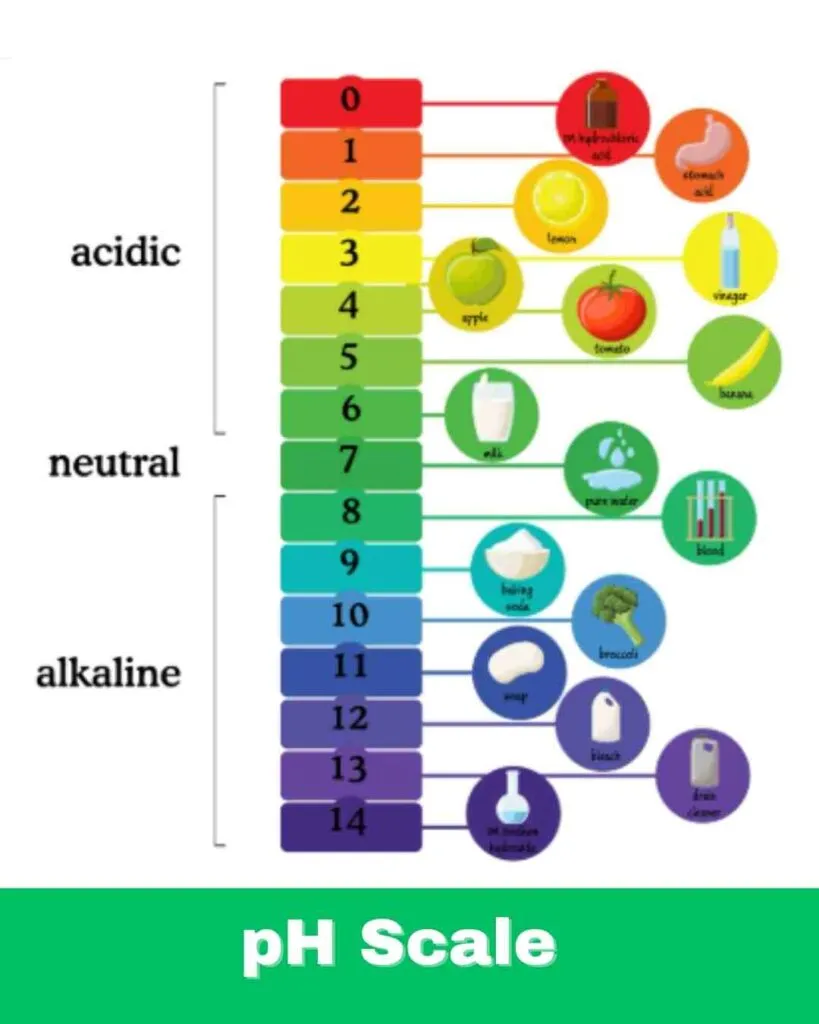
As you can see, bananas are among the least acidic fruits you'll commonly eat. Lemons and oranges are in a different league entirely.
How Ripeness Affects Banana Acidity
Here's something most people don't know: the pH of a banana changes as it ripens, and that shift matters for digestion.
- Green (unripe) bananas: Higher in tannins and resistant starch, they register more acidic and are harder on your gut. Some people get bloating or stomach cramps from eating them.
- Yellow (ripe) bananas: As starches convert to sugars and organic acids break down, the pH rises toward 5.2 the least acidic point. Much easier to digest.
- Overripe (speckled) bananas: Even gentler. Acids are nearly gone, sweetness peaks, and digestion is at its smoothest.
If you have any kind of reflux or sensitive stomach, always go for ripe or overripe bananas. Green ones are just asking for trouble.
Acidic vs. Alkaline-Forming: Why the Distinction Matters
This is where a lot of the online debate gets tangled. People mix up raw pH with what the food does after digestion. They are not the same thing.
Bananas have a raw pH of 4.5–5.2 acidic. But once metabolized, they leave an alkaline ash in your body. This is because they are rich in potassium and magnesium minerals that produce an alkaline residue after being processed. That's why you'll see bananas featured in alkaline diet plans despite technically being acidic on their own.
Think of it this way: your stomach acid sits at pH 1.5–3.5. A banana's mild acidity gets completely swamped the moment it hits your stomach it doesn't meaningfully change your stomach's acidity at all.
Common Fruit
Approximate pH Range
Acidity Level
Banana
4.5 – 5.2
Mildly Acidic (Low-Acid)
Apples
3.3 – 4.0
Moderately Acidic
Oranges
3.0 – 4.0
Highly Acidic
Lemons
2.0 – 2.6
Extremely Acidic
Pears
3.8 – 4.5
Mildly to Moderately Acidic
What Causes Banana Acidity?
The 4.5–5.2 pH comes from natural organic acids that are part of how the fruit grows and matures:
- Malic acid: Adds a subtle tartness, common across many fruits.
- Citric acid: Present in small amounts nowhere near the levels in citrus fruits.
- Oxalic acid: Minimal trace amounts only.
As a banana ripens, these acids diminish while starches break down into sugars. The result is a sweeter, lower-acid, easier-to-eat fruit.
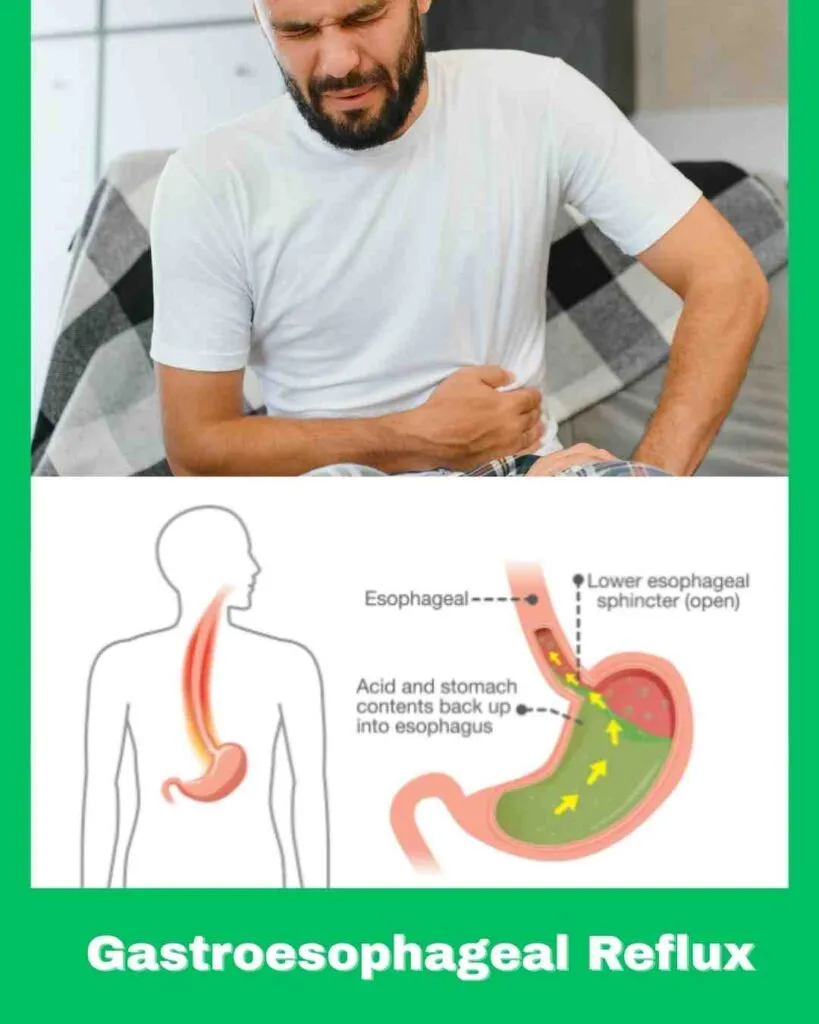
Can Bananas Help With Acid Reflux and GERD?
For most people, bananas are actually helpful for acid reflux not harmful. Here's what they do:
- Protective coating: Natural mucilage and soluble fiber create a gentle barrier over irritated esophageal and stomach tissue.
- Buffering action: The potassium in bananas helps neutralize excess stomach acid that refluxes upward.

That said, a small group of people do notice issues with bananas:
- Green/unripe bananas (higher acidity and resistant starch)
- FODMAP sensitivity some people get bloating and gas
- Eating a large amount on an empty stomach
If bananas consistently trigger your reflux, try going riper or eating them alongside something like oatmeal. Timing matters too avoid them right before bed. Give yourself at least 2–3 hours before lying down.
Banana pH vs. Other Common Fruits
| Common Fruit | Approximate pH Range | Acidity Level |
| Banana | 4.5 – 5.2 | Mildly Acidic (Low-Acid) |
| Apples | 3.3 – 4.0 | Moderately Acidic |
| Oranges | 3.0 – 4.0 | Highly Acidic |
| Lemons | 2.0 – 2.6 | Extremely Acidic |
| Pears | 3.8 – 4.5 | Mildly to Moderately Acidic |
Bananas sit comfortably near the least acidic end of the common fruit chart only watermelon and a handful of others edge them out for gentleness.
Are Bananas Safe for Babies?
Yes bananas are a top first food for infants for good reason. Their mild acidity is negligible for developing digestive systems, and the alkaline-forming minerals tend to help rather than hurt.
- Rich in potassium, vitamin C, B6, and easy-to-digest sugars
- Soft, mashable texture is perfect for babies starting solids
A few things to watch for: constipation can happen with less-ripe versions (due to pectin and starch), and some babies get gassy from the fiber. Stick to very ripe bananas, start with small portions, and pair with cereal or yogurt if needed.
Banana Acidity and Dental Health
Enamel starts to soften below pH 5.5, and bananas sit at 4.5–5.2 right at the borderline. They are far less damaging than citrus, but the natural sugars they contain feed oral bacteria, which produce stronger acids afterward. That's the bigger dental concern.
Simple fix: rinse your mouth with water after eating, and wait 30–60 minutes before brushing so you are not scrubbing softened enamel.
Do Banana Peels Count as Acidic?
Banana peels run slightly higher at pH 5.2–5.9 even milder than the fruit. They are popular in composting and gardening because they are loaded with potassium, phosphorus, and magnesium. As they decompose, any residual acidity neutralizes and can actually benefit soil pH slightly.
Why Bananas Work in Baking Soda Recipes
Ever wonder why banana bread calls for baking soda instead of baking powder? It's because bananas are acidic enough to react with baking soda and create carbon dioxide the gas that makes baked goods rise. Overripe bananas work best because their acid content is still present even as sweetness peaks. The more spotted the banana, the better the leavening.
Other Foods That Help Balance Stomach Acid
If you are managing acid reflux or GERD, bananas pair well with other gut-friendly options:
- Oatmeal fiber-rich, non-acidic base that absorbs excess acid
- Ginger anti-inflammatory, known to soothe digestive distress
- Papaya natural enzymes aid digestion, low-acid profile
- Almonds calcium helps buffer acid
- Vegetable broth hydrating and alkaline-forming
The Verdict: Acidic or Alkaline?
Bananas are both depending on how you measure:
- Raw pH: Mildly acidic at 4.5–5.2
- After digestion: Alkaline-forming due to potassium and magnesium
- Effect on digestion: Soothing and protective for most people, especially when ripe
If you are dealing with reflux, heartburn, or a sensitive gut, ripe bananas are generally a safe and smart choice. Just eat them yellow-to-speckled, time them away from bedtime, and pair with other gentle foods when needed.
FAQs
Are bananas acidic or alkaline-forming?
Mildly acidic by direct pH measurement (4.5–5.2), but strongly alkaline-forming after digestion due to their potassium and magnesium content.
Do bananas cause acidity on an empty stomach?
Not for most people. Some may experience bloating or mild reflux symptoms eating them with other foods like oatmeal usually helps.
Are bananas bad for acid reflux?
Generally no most people with acid reflux find them soothing. The mucilage and potassium actually help coat and buffer the esophagus.
Are green bananas more acidic than ripe ones?
Yes, green bananas have a lower pH and more resistant starch, making them tougher on digestion. Go for ripe or overripe if acidity is a concern.
Can you use bananas instead of buttermilk in baking?
Yes their acidity activates baking soda similarly to buttermilk, making them useful in certain baked goods as a partial substitute.