Egg Protein Powder: Benefits, Uses, Best Brands & Whey Comparison
Egg protein powder vs whey: which is actually better? We compare the amino acid profiles, digestion rates, taste, and best use cases so you can choose the right protein powder for your specific goals.
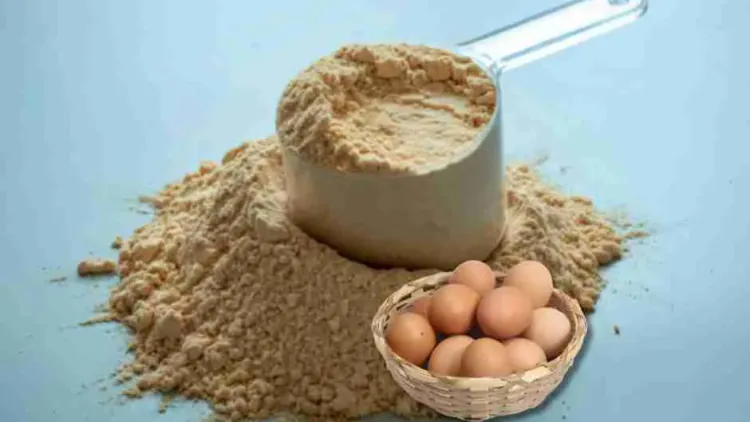
Whey protein has dominated the supplement market for decades, and for good reason it's effective, widely available, and the research behind it is solid. But as more people move away from dairy, develop sensitivities, or simply want more variety in their protein sources, egg protein powder has made a strong comeback.
Egg protein powder isn't new it was the go-to before whey became mainstream. Bodybuilders in the 1970s and 80s swore by it. Now, with better processing and flavoring technology, it's genuinely competitive again. The real questions are: how does it compare to whey on the metrics that actually matter, and who should consider making the switch?
What Is Egg Protein Powder?
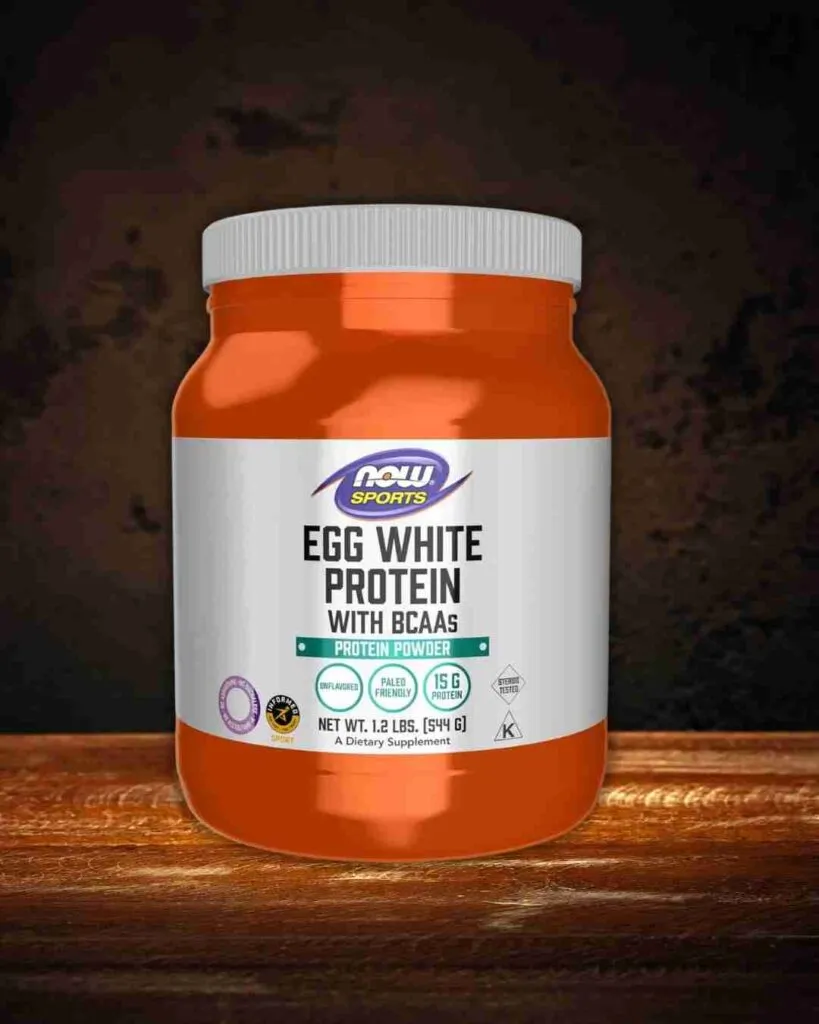
Egg protein powder is made by separating egg whites from yolks, pasteurizing the whites for safety, then spray-drying them into a fine powder. The result is concentrated egg albumin protein the same protein that makes eggs such a high-quality food source.
Some products use whole eggs (whites + yolks combined) to include the additional fat-soluble nutrients and slightly richer amino acid profile from the yolk. Most commercial products use egg whites only to keep fat and cholesterol content low and protein percentage high.
Egg White Protein: The Key Numbers
Per typical serving (one scoop, ~30g) of egg white protein powder:
- Protein: 24–27g (complete protein, all essential amino acids)
- Calories: 100–120 kcal
- Fat: 0–1g
- Carbohydrates: 0–2g
- Cholesterol: minimal to none (yolk removed)
- BCAA content: approximately 6–8g, including leucine (the key trigger for muscle protein synthesis)
Egg protein has a Biological Value (BV) of about 100 one of the highest of any protein source, meaning nearly all of it is absorbed and utilized by the body.
Key Benefits of Egg Protein Powder
- Completely dairy-free and lactose-free: The most significant practical advantage for people with dairy intolerance or milk allergies.
- High protein quality: Complete amino acid profile with excellent bioavailability matches or exceeds most other protein sources on amino acid score.
- Medium digestion rate: Digests slower than whey but faster than casein provides a sustained amino acid release that works well at most times of day, not just immediately post-workout.
- Very low fat and carbohydrate: Cleaner macros than many whole food protein sources.
- Versatile in cooking: Egg protein powder blends smoothly into baked goods, pancakes, and smoothies and because it contains real egg protein, it behaves similarly to actual egg whites in recipes that benefit from protein structure.
- Gluten-free: Naturally, without requiring any modification.
Egg Protein vs Whey: The Honest Comparison
Protein Quality
Both are complete proteins with all essential amino acids. Whey has a slightly higher leucine content per gram (around 11% vs 8–9% in egg white), which gives it a small edge for acute post-workout muscle protein synthesis. But the practical difference is small egg protein is still excellent for muscle building.
Digestion Speed
Whey digests rapidly (1–2 hours), which is why it's ideal immediately post-workout. Egg white protein digests at medium speed (3–4 hours), making it well-suited for meals, morning protein intake, or situations where you want sustained amino acid availability.
Taste and Mixability
Modern egg protein powders have improved considerably the "eggy" or sulfurous taste some people remember from older products has been largely eliminated in quality brands. However, most people still find whey (especially isolate) mixes more easily and tastes more neutral or pleasant on its own in water. In smoothies and recipes, the difference is minimal.
Dairy Sensitivity
This is where egg protein wins unambiguously. Anyone who experiences bloating, gas, or discomfort from whey should try egg white protein before assuming all protein powders are problematic.
Who Should Choose Egg Protein Powder
- People with lactose intolerance or dairy allergy
- Anyone who experiences digestive issues with whey
- People looking for a medium-digestion protein for general daily use (not just post-workout)
- Bakers and cooks who want a protein that behaves like real eggs in recipes
- Athletes doing evening training who want sustained overnight amino acid availability
Final Verdict
Egg protein powder is an excellent, often underrated protein supplement that delivers on quality, versatility, and digestive comfort. Whey has a small edge for immediate post-workout use due to faster digestion and slightly higher leucine content. But for dairy-free use cases, general daily protein intake, baking applications, and people who want clean macros without digestive complications egg white protein is a smart, well-justified choice.
If you've been relying on whey out of habit rather than necessity, egg protein is worth a trial bag. The modern formulations are much better than they used to be, and the benefits are real.
Eat Healthy, Live Well