Are Tomatoes Acidic? Understanding pH, Cooking Effects & Health Impact
Are tomatoes acidic? Yes — with a pH of 4.3–4.9, they are moderately acidic. We explain why, show a pH chart by variety, cover how cooking affects acidity, and advise on tomatoes for acid reflux and GERD.
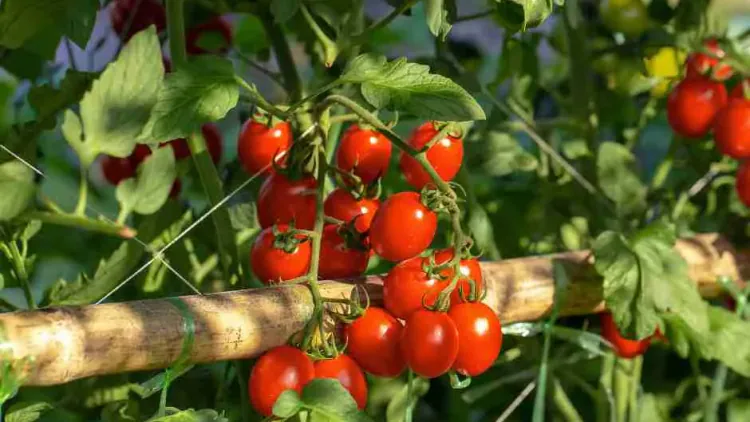
Tomatoes occupy this strange middle ground in the culinary world: botanically a fruit, culinarily a vegetable, and for anyone prone to heartburn, possibly a trigger food they've been warned to avoid. The fundamental question are tomatoes acidic? matters for cooking, canning, digestion, and dental health.
Direct answer: yes, tomatoes are moderately acidic, with a natural pH of roughly 4.3–4.9. Their characteristic brightness and tang come from citric and malic acids. But the full picture is more complicated: acidity varies significantly by variety and ripeness, cooking changes it, and how your body responds is a different question from what the pH meter reads.
Acidic, Alkaline, or Somewhere In Between?
On the standard pH scale (0–14), 7 is neutral, below 7 is acidic, and above 7 is alkaline. Fresh tomatoes sit at 4.3–4.9 definitively acidic, but much milder than lemons (pH 2.0–2.6) or vinegar (pH ~2.4).
The "alkaline diet" concept adds a layer of confusion here. Some proponents claim certain acidic foods become alkalizing once metabolized, based on the "mineral ash" they leave after digestion. Tomatoes sit roughly neutral-to-slightly-acid-forming by this PRAL (Potential Renal Acid Load) measure unlike highly alkalizing foods like most green vegetables. However, in the stomach and esophagus, the actual acids in tomatoes remain present and can be irritating for people with reflux or GERD regardless of what happens later in metabolism.
What Makes Tomatoes Acidic?
Three organic acids create that characteristic tomato tang:
- Citric acid: The dominant acid provides the sharp, bright sourness you associate with citrus
- Malic acid: Creates a smoother, rounder tartness the same acid that gives green apples their bite
- Ascorbic acid (vitamin C): A minor contributor to acidity, but also an important antioxidant
Ripeness changes the perceived taste significantly. As tomatoes ripen, their sugar content rises and "masks" the acidity ripe tomatoes taste sweeter and less sharp than unripe ones even if the measured pH is similar. This is why a perfectly ripe summer tomato tastes nothing like the pale, hard ones you find in winter.
Tomato pH by Variety
Key takeaway: if you are sensitive to acidity, yellow and orange tomato varieties (Lemon Boy, Sun Gold, Yellow Pear) consistently come in at the milder end. Green and unripe tomatoes are the most aggressively acidic. Canned tomatoes are sometimes more acidic than fresh because acid is often added as a safety measure during processing.
Does Cooking Change Tomato Acidity?
Yes cooking has a meaningful effect on tomato acidity, though perhaps not the way you'd expect:
- Water evaporation concentrates both sugars and acids slow-simmered tomato sauce can taste more acidic than fresh tomatoes even though the actual pH may shift slightly
- Long cooking at high heat can break down some citric acid, mildly reducing sharpness over time
- Adding baking soda neutralizes acidity directly ¼ teaspoon per pot of tomato sauce raises the pH noticeably. This is the classic restaurant trick for smoothing out a sharp, overly acidic sauce.
- Adding sugar doesn't reduce acidity it masks it. The pH stays the same; you just perceive it differently because the sweetness competes with the sourness.
- Adding dairy (cream, butter, cheese) buffers the acid and rounds out the flavor, which is why cream-based tomato pastas taste milder.
Low-Acid Tomato Varieties
If you love tomatoes but they don't love you back, these varieties are consistently reported as gentler:
- Lemon Boy yellow tomato, mild and sweet
- Jet Star specifically bred for lower acidity
- Ace 55 low-acid hybrid popular in home gardens
- Sun Gold orange cherry tomato, exceptionally sweet with mild acidity
- Yellow Pear small, mild, great as a snack
- Brandywine (yellow or white) heirloom with gentler acidity than red types
Tomatoes and Acid Reflux / GERD
This is where the practical question lands for a lot of people. Tomatoes are consistently listed as a common acid reflux trigger and that classification is generally warranted.
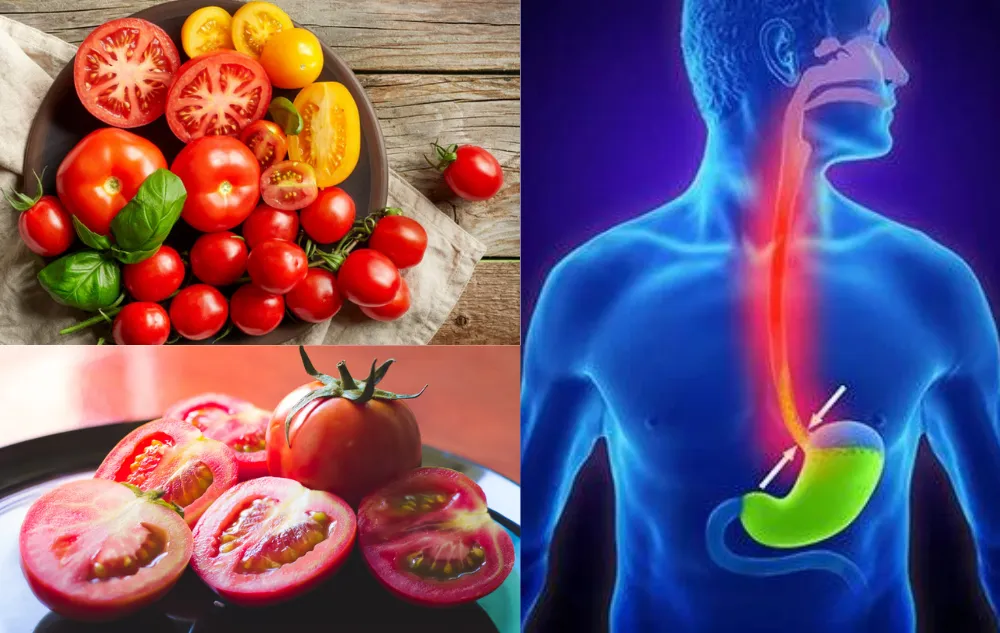
The mechanism: tomato acids can relax the lower esophageal sphincter (the valve between stomach and esophagus), allowing stomach acid to flow back up. The tomato's own acids also directly irritate an already inflamed esophagus.
Practical guidance:
- Individual tolerance varies widely some GERD sufferers handle tomatoes fine; others react strongly to small amounts
- Cooked tomatoes (especially slow-cooked sauces) tend to be slightly better tolerated than raw tomatoes for many people
- Low-acid varieties are worth trying before eliminating tomatoes entirely
- Eating tomato-based foods earlier in the day (not right before lying down) reduces nighttime reflux risk significantly
- If you are on a strict GERD elimination diet, tomatoes are typically one of the first foods to cut you can reintroduce them after the acute phase to test individual tolerance
Other Common Questions
Are tomatoes acidic for teeth?
Yes, moderately. At pH 4.3–4.9, repeated contact with tomato acids can soften tooth enamel over time. Not as damaging as soda or lemon juice, but worth rinsing your mouth with water after eating tomatoes if you eat them frequently. Wait 30 minutes before brushing brushing immediately after acid exposure can actually accelerate enamel erosion.
Are tomatoes safe for canning?
Tomatoes sit right on the borderline for safe boiling-water canning (generally requires pH below 4.6). Most tomatoes are safe, but some sweeter or low-acid varieties may not be acidic enough on their own. Adding 1 tablespoon of bottled lemon juice per pint (or ¼ teaspoon of citric acid) is standard practice for safe home canning.
Are canned tomatoes more acidic than fresh?
Sometimes processors often add citric acid to ensure safe preservation pH. The trade-off is a slightly sharper flavor. This is why canned tomatoes sometimes taste more acidic than ripe fresh ones even though both are "tomatoes."
Final Verdict
Tomatoes are moderately acidic genuinely, measurably so and that acidity matters for cooking technique, canning safety, dental health, and digestive tolerance. The pH varies by variety (yellow and orange types are gentler), ripeness (riper is sweeter but often similar pH), and preparation (long cooking and baking soda reduce perceived sharpness).
For most healthy people, tomato acidity is a flavor factor rather than a health concern. For those with GERD or sensitive digestion, choosing lower-acid varieties, cooking tomatoes thoroughly, and avoiding them before bedtime can make a real practical difference.
Eat Healthy, Live Well