Is Distilled Water Healthy to Drink? Pros, Cons, and What Science Says
Distilled water is extremely pure — essentially just H₂O with no minerals, contaminants, or dissolved solids. It's safe to drink, but the missing minerals mean it's not the optimal choice for everyday hydration for most healthy people. Here's when it makes sense and when it doesn't.

Distilled water is water that has been boiled into vapor, collected, and condensed back into liquid leaving behind essentially everything that was dissolved in the original water: minerals, salts, heavy metals, chlorine, fluoride, and most contaminants. What remains is extremely pure H₂O.
This purity creates a genuine debate: is removing all those dissolved substances a feature or a bug for daily drinking? The answer, as with most nutrition questions, is "it depends on your situation."
What Exactly Is Distilled Water?
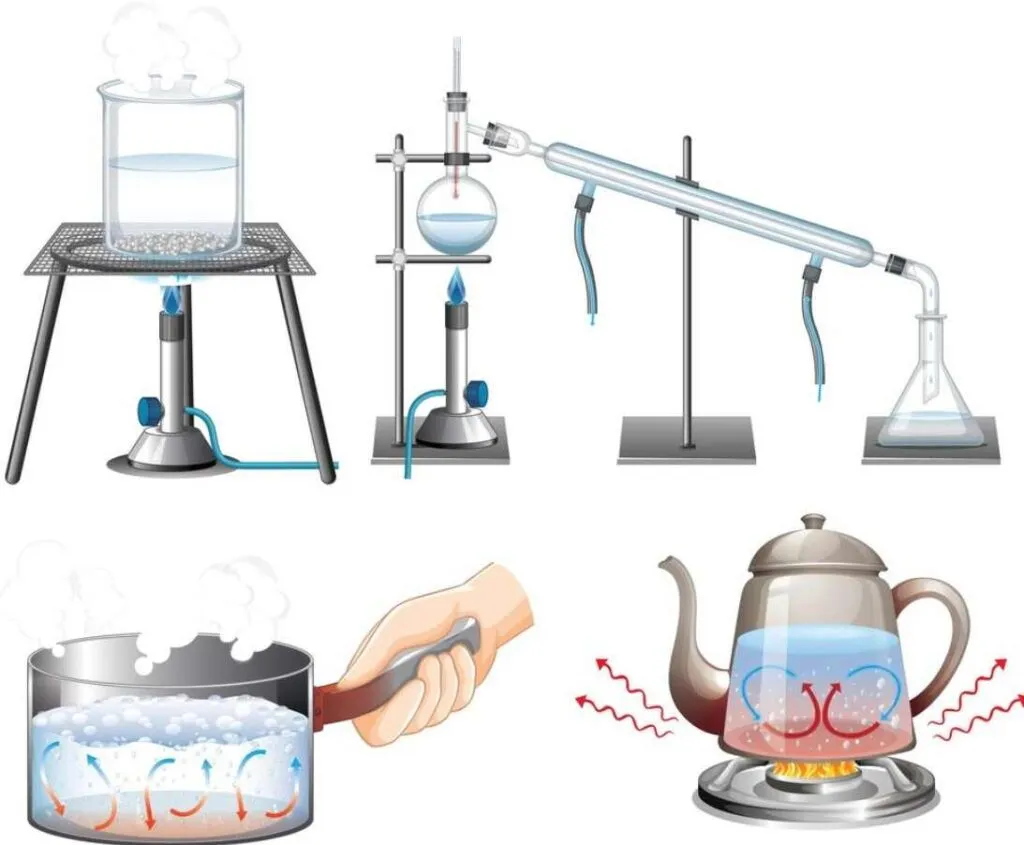
The distillation process is simple in principle: water is heated to boiling, the steam is captured, and the vapor is cooled back into liquid water in a separate container. Most impurities including dissolved minerals like calcium and magnesium, contaminants like lead and arsenic, and organic compounds don't vaporize at water's boiling point, so they stay behind.
The result is one of the purest forms of water available. It has a neutral, "flat" taste compared to spring or mineral water, because it contains no dissolved minerals whatsoever.
This extreme purity explains its standard use in hospitals, dialysis centers, laboratories, and appliances like irons and CPAP machines, where mineral buildup or contamination would cause problems.
Potential Benefits of Distilled Water
Extremely Low in Contaminants
Distillation removes most substances that appear in municipal or well water: chlorine, chloramines, fluoride, lead, arsenic, nitrates, pesticides, volatile organic compounds, and most bacteria and viruses. For people in areas with poor tap water quality or concerned about specific contaminants, distilled water provides a consistently clean option.
Medical and Technical Uses
CPAP users, aquarium keepers, and anyone using steam appliances benefit significantly from distilled water it prevents mineral scale buildup that reduces efficiency and shortens device lifespan. Most manufacturers explicitly recommend it.
Short-Term Detox and Specific Medical Protocols
Some supervised wellness or detoxification protocols specify distilled water to minimize external mineral load during the process. There's limited clinical evidence for the specific mechanism, but the practical rationale is sound: if you are trying to reduce intake of a specific substance, starting with zero in your water makes sense.
Reduced Mineral Load for Certain Conditions
People with specific kidney disorders, certain types of urinary stones, or medical conditions requiring strict mineral restriction sometimes receive guidance from their physicians to use low-mineral water. Distilled water fits this requirement.
Common Misconceptions
"Distilled Water Leaches Minerals from Your Body"
This claim is widespread and largely unfounded. No credible research demonstrates that drinking distilled water causes meaningful mineral loss from tissues or bones. Your kidneys regulate mineral balance primarily through dietary intake water is a minor contributor to most people's mineral status. If your diet provides adequate calcium, magnesium, and potassium, your body doesn't compensate for mineral-free water by pulling from your bones.
"Distilled Water Causes Dehydration"
Dehydration results from insufficient total fluid intake not from the absence of minerals in your water. Pure H₂O hydrates just as effectively as mineral-containing water for standard daily needs. The idea that mineral-free water won't hydrate you is physiologically incorrect.
Who Should Use Distilled Water vs. Who Should Choose Alternatives
Distilled Water Makes Sense For:
- CPAP machines, humidifiers, steam irons, and aquariums
- Medically supervised low-mineral diets
- People in areas with confirmed water quality problems (lead pipes, high arsenic, etc.)
- Short-term use during specific health protocols
- Infant formula preparation when tap water quality is uncertain
Better Alternatives Usually Exist For:
- Daily drinking for most healthy adults natural mineral content in tap or spring water contributes marginally to overall mineral intake and is generally safe
- Active people and athletes electrolyte needs are better served by electrolyte drinks or water with natural mineral content
- People with diets already low in calcium or magnesium mineral water would be a better choice
Practical FAQs
Is distilled water safe for babies?
Yes babies receive essential minerals from breast milk or formula, not from water. Distilled water is safe for formula preparation and sterilizing bottles. Consult your pediatrician about what they recommend for your specific situation.
What does distilled water taste like?
Flat and neutral. Without dissolved minerals, it lacks the subtle flavor complexity that makes spring or filtered tap water taste "crisp." Many people find it less pleasant to drink than regular water, which is worth considering if you are thinking about using it as your primary drinking water.
Is distilled water the same as reverse osmosis?
Not exactly. Both produce very pure water, but the methods differ. Reverse osmosis forces water through a semipermeable membrane that blocks dissolved solids. Distillation uses heat and condensation. Both remove most minerals and contaminants, though distillation is generally slightly more thorough for volatile organic compounds.
Should I use it in my CPAP or humidifier?
Yes most manufacturers specifically recommend distilled water for these devices. Tap water leaves mineral deposits that can clog equipment, harbor bacteria, and release fine mineral particles into the air you breathe.
So, The Final Word
Distilled water is safe to drink and genuinely useful in specific contexts particularly for medical equipment, appliances, areas with contaminated tap water, and supervised health protocols. It's not harmful for everyday drinking when your diet provides adequate minerals.
That said, for most healthy adults with access to clean tap or filtered water, there's no compelling reason to switch. The missing minerals aren't a health crisis the average person gets the vast majority of their calcium, magnesium, and other minerals from food, not water but they are also not doing you any harm in regular water. When the reason to use distilled water is specific and clear, it's an excellent choice. As a general daily upgrade without a specific reason, it's unnecessary.