Is Sooji (Suji/Semolina) Healthy? Benefits, Side Effects, Nutrition & Recipes
Sooji (semolina/rava) is a nutritious refined grain with good protein content, decent fiber, and useful iron and B vitamins — especially when enriched. It's not gluten-free and is less fiber-rich than whole grains, but it's a solid choice for everyday cooking when prepared without excessive oil or sugar.
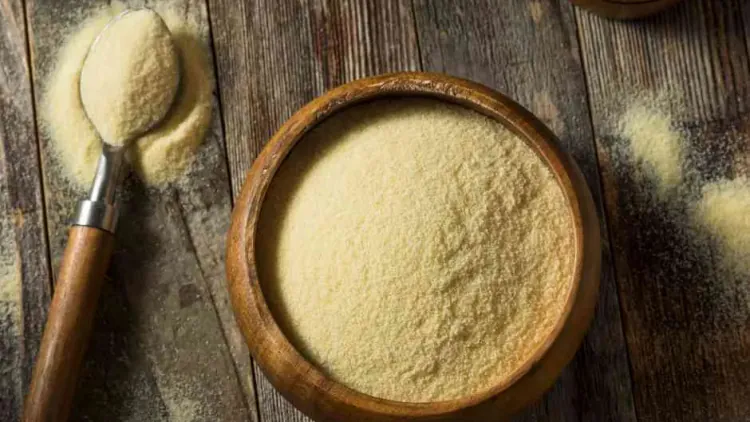
Sooji, suji, rava, semolina four names, one ingredient: coarsely ground durum wheat endosperm. It's the base for upma, halwa, idli, dhokla, and a hundred variations across South Asian kitchens. It cooks quickly, absorbs flavors easily, and has fed generations of families as a breakfast staple.
Whether it counts as "healthy" depends on which version you are eating and how it's prepared. Plain semolina cooked into vegetable upma with minimal oil is an excellent breakfast. The same grain made into ghee-drenched halwa with multiple spoons of sugar is a dessert, not a health food. The ingredient itself is the same; the preparation makes all the difference.
What Is Sooji/Semolina?
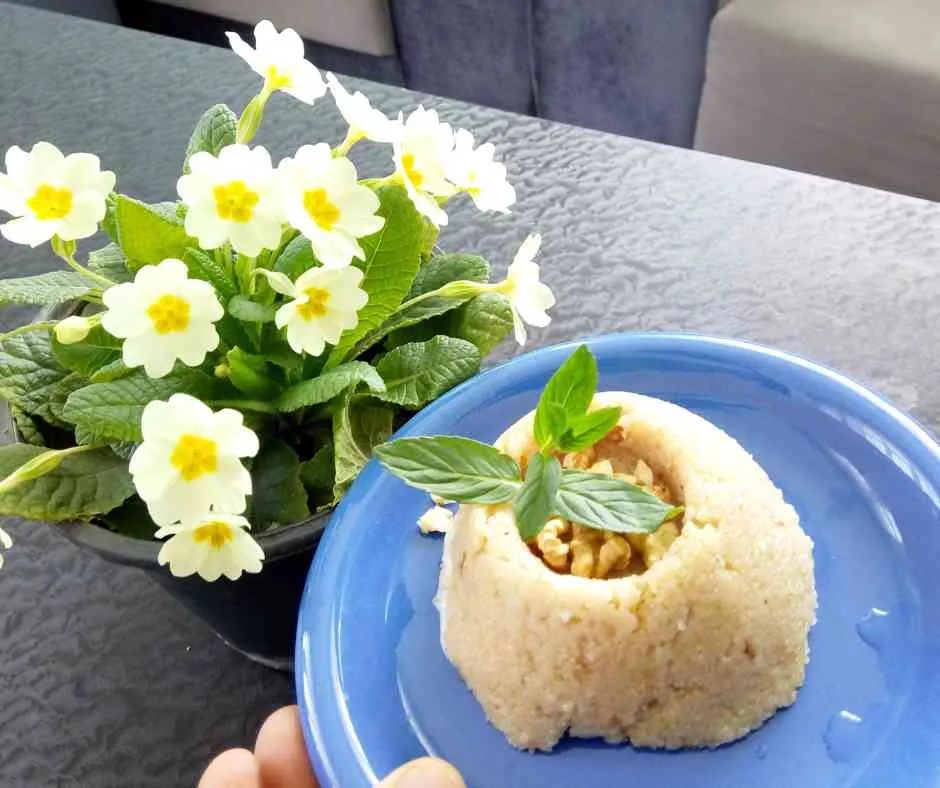
Semolina comes exclusively from durum wheat the hardest wheat variety, with high protein and gluten strength. During milling, the bran and germ are removed, leaving the starchy endosperm that gets ground into coarse granules. This is why conventional semolina is a refined grain rather than a whole grain, despite coming from wheat.
Particle size creates two main categories:
- Coarse sooji (bada rava): Larger granules, ideal for upma, khichdi, savory dishes. Holds its shape and texture during cooking.
- Fine sooji (bariq rava): Powdery texture, preferred for halwa, idli batter, dhokla, and porridges where a smoother consistency is wanted.
Both are the same ingredient just different particle sizes.
Nutritional Profile (Per 100g Dry Semolina)
- Calories: ~360 kcal
- Carbohydrates: ~73g (mostly starch)
- Dietary fiber: ~3.9g
- Protein: ~12.7g (notably high for a grain product)
- Fat: ~1.1g (very low)
- Iron: ~1.2mg (significantly higher in enriched versions)
- Magnesium: ~47mg
- Folate: ~73µg (much higher when enriched)
- Glycemic Index: medium-high (~60–70)
Many commercial semolinas are enriched with iron, B vitamins, and folate which makes the micronutrient profile considerably more impressive than unfortified versions.
Health Benefits
1. Solid Protein Content
Nearly 13g protein per 100g is genuinely high for a grain. White rice, by comparison, provides about 6.5g per 100g. The protein in semolina supports muscle maintenance, satiety, and tissue repair, and it makes sooji-based dishes more filling than comparable rice dishes.
2. Reliable Energy Source
The high carbohydrate content provides accessible fuel useful before physical activity, during periods of high energy demand, and for children who need sustained energy throughout the school day. The medium-high GI means energy release isn't as slow as whole grains, but it's substantially slower than white bread or most processed breakfast cereals.
3. Iron and B Vitamins (Especially Enriched)
Enriched semolina is a meaningful source of iron and folate important for preventing anemia, supporting energy metabolism, and (particularly relevant during pregnancy) fetal neural tube development. Check the label: enriched versions are nutritionally superior for these micronutrients.
4. Versatility for Nutrient-Dense Preparation
Sooji absorbs vegetables, legumes, and spices easily. A bowl of vegetable upma with peas, carrots, and mustard seeds is nutritionally well-rounded fiber from the vegetables, protein from the semolina, various micronutrients from the aromatics.
Limitations and Who Should Be Cautious
Lower Fiber Than Whole Grains
At ~4g fiber per 100g, semolina provides less than half the fiber of whole wheat flour (10–12g per 100g). It's better than white rice on this front, but noticeably inferior to whole grain options. For people managing diabetes, insulin resistance, or trying to maximize digestive health, whole wheat flour (atta) is a better long-term staple.
Medium-High Glycemic Index
The GI of ~60–70 means semolina raises blood sugar faster than low-GI alternatives. This doesn't make it harmful, but it does mean portion control and pairing matter. Large portions without fiber, fat, or protein slowing absorption can cause noticeable glucose spikes. Diabetics and insulin-resistant individuals should:
- Keep portions to ½–¾ cup cooked
- Always pair with protein, fat, and vegetables
- Choose savory preparations over sweet ones
- Prefer coarse semolina (slightly slower digestion than fine)
Contains Gluten Not Suitable for Celiac Disease
Semolina is made from wheat and has significant gluten content. It's unsuitable for anyone with celiac disease or non-celiac gluten sensitivity. There are no gluten-free versions of genuine semolina.
Sooji for Babies and Pregnancy
Babies
Sooji is one of the most commonly recommended early complementary foods after 6–8 months of age. It's smooth, easily digestible, iron-rich when enriched, and provides steady energy for rapid growth. Start with thin porridge and progress to lightly seasoned preparations as the baby develops. The key is starting with enriched semolina for the iron content.
Pregnancy
An excellent choice during pregnancy provides digestible energy, good protein, iron, and (from enriched versions) folate important for fetal neural tube development. Particularly useful for managing morning sickness when heavier whole-grain foods feel too fibrous or difficult to digest.
Simple Healthy Recipes
Vegetable Upma
Dry-roast coarse semolina in a pan until lightly golden and fragrant (about 4 minutes). Set aside. In the same pan, heat a little oil, add mustard seeds, curry leaves, and dried chili. Add diced onion, cook until soft. Add diced vegetables (carrots, beans, green peas, capsicum). Pour in water (roughly 2:1 water to semolina), bring to boil, then stir in the roasted semolina gradually. Cook, stirring, until thick and fluffy. Season with salt and lemon juice. High in fiber from the vegetables, protein from the semolina.
Steamed Semolina Dhokla
Mix fine semolina with yogurt, a little water, grated ginger, green chili paste, and salt. Rest for 20 minutes. Add fruit salt (Eno) just before steaming for fluffiness. Steam in a greased tray for 15–18 minutes. Completely oil-free, high in protein from the yogurt, excellent with green chutney.
Semolina Porridge
Cook fine semolina in milk or plant milk over medium heat, stirring constantly, until creamy and thick (3–4 minutes). Sweeten lightly with a drizzle of honey or a mashed banana. Add cinnamon. Fast, warming, and excellent for children or mornings when you need something gentle.
The Verdict
Semolina is a nutritious, versatile grain with genuinely solid protein content, useful iron and B vitamins (especially enriched), and good digestibility. It's better than white rice for protein and better than maida (refined white flour) for overall nutrition. It's not as good as whole wheat flour (atta) for fiber or sustained blood glucose control.
For most healthy adults, sooji is a fine daily food when prepared with vegetables, minimal oil, and moderate portions. The preparation method matters more than the ingredient itself vegetable upma and steamed dhokla are excellent; ghee-laden halwa with multiple tablespoons of sugar is a dessert. Same ingredient, completely different nutritional outcome.