What Does Soju Taste Like? Full Guide Comparing Soju to Vodka, Beer, Whiskey & More
Soju tastes clean, subtly sweet, and much smoother than vodka — with a soft alcoholic warmth rather than a sharp burn. Traditional rice soju has more depth; flavored varieties taste like boozy fruit soda. Here's the full breakdown plus comparisons to vodka, beer, whiskey, and sake.
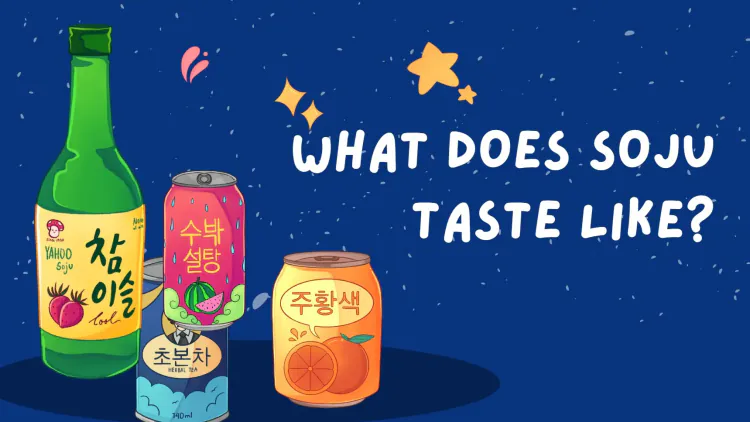
Those iconic green Jinro bottles are everywhere now Korean BBQ restaurants, liquor stores, TikTok videos. Soju has quietly become the world's best-selling spirit by volume, outpacing famous vodka and whiskey brands globally. For anyone trying it for the first time, the obvious question is: what does this actually taste like?
So, the simple answer: soju is refreshing, gently sweet, and remarkably smooth significantly softer than vodka, lighter and less complex than whiskey, and stronger than beer despite feeling almost as easy to drink. The flavor varies significantly depending on whether you are drinking traditional rice soju, standard commercial versions, or fruit-flavored varieties.
The Core Flavor Profile
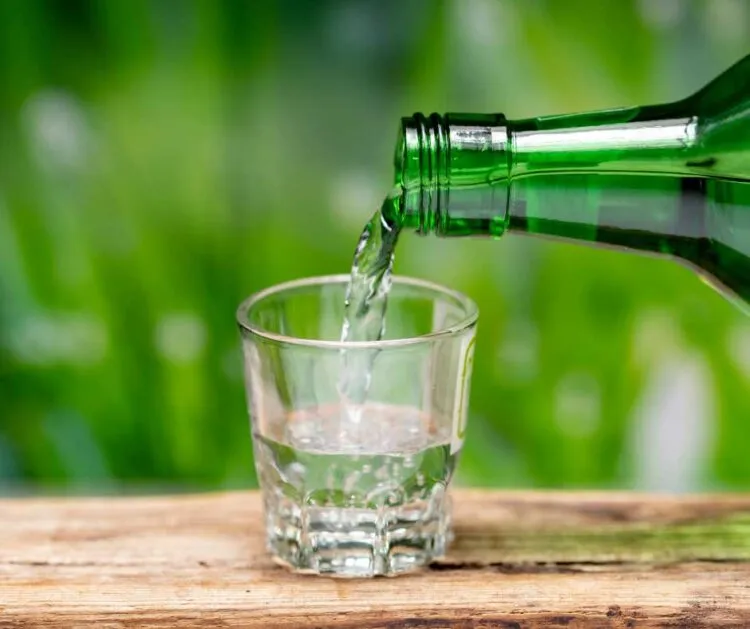
Standard commercial soju (the green-bottle Jinro style) delivers:
- Clean, neutral base: Similar to vodka, but much softer and thinner on the palate
- Gentle sweetness: A subtle sugary note upfront from added mild sweeteners like stevia or fructose, plus the naturally sweet fermentation base (tapioca, sweet potato, or wheat)
- Very light alcohol warmth: At 16–20% ABV, the alcoholic heat is present but spread out and soft nothing like the burn of a 40% vodka shot
- Crisp, thin mouthfeel: It disappears quickly from the tongue rather than coating it
The sweetness is actually doing a lot of work here. Research in sensory science shows that sweeteners reduce how strongly the brain registers alcohol's harshness and heat (mixture suppression). This is why soju feels significantly milder than its actual alcohol content would suggest and why first-timers frequently underestimate how much they've drunk.
Traditional vs. Modern Soju
There are really two very different products being called soju:
Modern diluted soju (the common green bottle): The dominant commercial style. Made from industrially produced ethanol derived from tapioca or sweet potato, then diluted and sweetened. Clean, slightly synthetic sweetness with a mild chemical or alcohol aftertaste in cheaper versions. This is what most people in the world are drinking when they have soju.
Traditional distilled soju (premium versions like Andong Soju): Made from rice or grain through traditional pot-still distillation, sometimes aged. Far more complex nutty, earthy, floral elements with natural grain sweetness, closer to quality sake or a light shochu. A genuinely different experience from the green bottle.
The reason most soju uses non-rice bases has historical roots: South Korea's 1965 Grain Management Law banned rice use in alcohol production during food shortages, pushing distillers toward alternatives and creating the neutral, sweetened style that dominates today.
Soju vs. Vodka
This is the most common comparison, and the differences are meaningful:
- Strength: Vodka typically sits at 40% ABV; soju at 16–20%. The difference in burn is substantial.
- Sweetness: Vodka aims for pure neutrality crisp and dry with zero sweetness. Soju adds sweeteners for a fuller, slightly rounder feel.
- Mouthfeel: Vodka feels cleaner and drier; soju slightly thicker and more forgiving.
- Mixing: Vodka disappears into cocktails easily. Soju's sweetness and lower strength make it gentler with mixers and more approachable for people who find vodka harsh.
Smoothness: Soju wins easily. Strength: Vodka by a wide margin.
Soju vs. Beer, Whiskey, and Sake
vs. Beer: Beer is carbonated, often bitter from hops, and much lower in alcohol (typically 4–6%). Soju has no carbonation or hop bitterness. Mixed together as somaek (soju dropped into beer), the sweetness of soju balances the beer's bitterness for a smooth, easy drink that's become a Korean cultural institution.
vs. Whiskey: Almost no overlap. Whiskey builds complex layers from barrel aging oak, vanilla, caramel, smoke. Standard commercial soju has no aging, no wood, no caramel. It's built for casual, fast social drinking rather than slow contemplative sipping. Whiskey lovers may find soju too simple; people who find whiskey intimidating often love soju for exactly that reason.
vs. Sake: Sake is the closest relative in character. Both are made from rice and tend toward clean, soft profiles. Sake ferments like wine and carries more umami, fruit, and floral notes at around 14–16% ABV. Traditional soju is distilled rather than fermented, making it sharper and more spirit-like despite similar ABV ranges.
Flavored Soju: The Beginner On-Ramp
Fruit-flavored soju (typically 12–13% ABV) has exploded in popularity and is genuinely excellent for first-timers. These taste more like boozy fruit soda than traditional spirits:
- Green grape: Sweet grape candy notes, tart and refreshing. Most popular flavor overall a great starting point.
- Peach: Floral, soft, reminiscent of peach gummies or peach iced tea. Very smooth with almost no detectable alcohol feel.
- Grapefruit: Slightly more refined than other flavors some citrus bitterness adds complexity. Less sugary-sweet than peach or grape.
- Strawberry: Jammy, rich, very sweet. Works better as a mixer than straight.
- Yogurt: Creamy, tangy, reminiscent of Yakult or a sweet dairy drink. Uniquely good, especially popular in Korea.
How Strong Is Soju Really?
Soju sits at 16–20% ABV stronger than wine, weaker than most spirits. A standard 360ml bottle equals roughly four standard drinks. The problem is that soju's sweetness and smoothness mask how quickly effects accumulate.
The classic mistake: drinking soju casually during a meal, treating it like it's weaker than it is, and ending up significantly more intoxicated than anticipated. Hangovers are common, especially with cheaper brands, partly from minor impurities and partly from the dehydrating effects of the added sugars.
Rule of thumb: drink ice-cold (it's significantly more enjoyable cold), with food, and track how much you are actually consuming rather than how easy it's going down.
Soju Taste Comparison at a Glance
Best Ways to Drink Soju
- Ice cold, straight: Traditional Korean style poured into small glasses, served near-frozen temperature. This is how it's meant to be drunk and how it tastes best.
- Somaek (soju + beer): Drop a shot of soju into a glass of Korean lager (Cass or Hite). The combination is smoother than either drink alone.
- Yogurt soju: Soju + Sprite + Yakult. Creates a creamy, fizzy, almost dessert-like drink that's wildly popular for a reason.
- With Korean BBQ: The traditional pairing makes intuitive sense soju's clean sweetness and cold temperature cut through the fat and spice of grilled pork belly beautifully.