How to Cut a Dragon Fruit Properly: Step-by-Step Guide
How to cut a dragon fruit — the right way. We cover the core step-by-step method, how to cut red, yellow, and white varieties, fun serving ideas, taste and nutrition overview, and the most common mistakes to avoid.
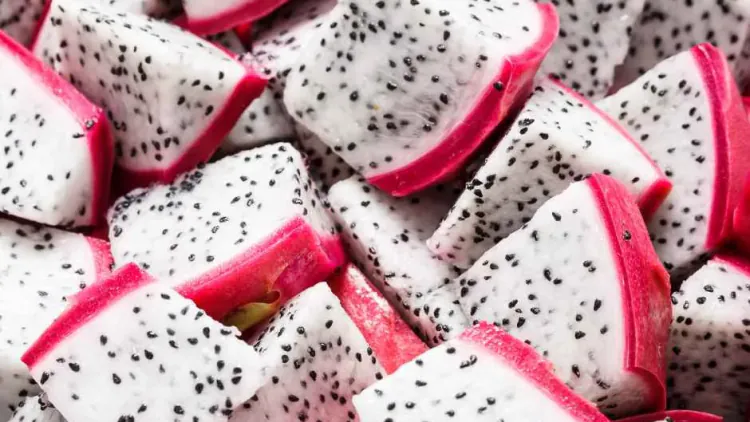
Dragon fruit is one of those foods that looks intimidating until you've done it once. That vivid pink exterior with green-tipped scales seems like it should require special equipment or specialized knowledge. It doesn't. Once you know the simple technique, cutting a dragon fruit takes about 60 seconds and produces beautiful, clean results every time.
This guide walks you through the main method, covers differences between varieties, shares some creative serving ideas, and explains what this fruit actually tastes like if you've never tried it.
What Is Dragon Fruit?
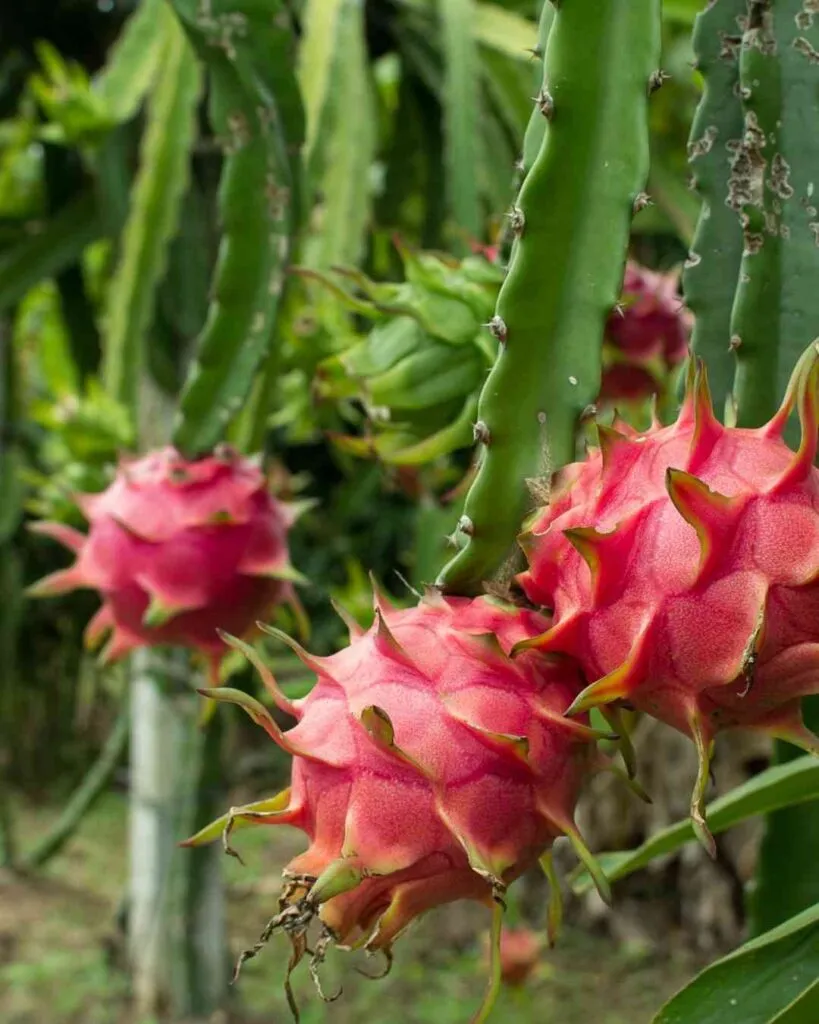
Dragon fruit (pitaya) is the fruit of several cactus species in the genus Hylocereus and Selenicereus. Originally from Central America, it's now grown widely across Southeast Asia, where it's a market staple. The three most common varieties you'll encounter:
- Pink skin / white flesh (Hylocereus undatus): The most common globally. Mildest flavor, widely available at Asian grocers and mainstream supermarkets.
- Pink skin / red flesh (Hylocereus costaricensis): Deeper flavor, brighter color, slightly sweeter. The skin stains, so handle carefully.
- Yellow skin / white flesh (Selenicereus megalanthus): Considered the sweetest variety. Yellow exterior with similar white interior to the common pink. Harder to find but worth seeking out.
What Does Dragon Fruit Actually Taste Like?
The truth: mild. Dragon fruit is often called "disappointing" by first-timers who expected something dramatic based on the appearance. The flavor is light, slightly sweet, mildly floral somewhere between a kiwi and a pear, with none of the intensity of either. The texture is crisp and juicy with small black seeds (which are edible and add a subtle crunch).
The red-fleshed variety is noticeably sweeter and more flavorful than white; the yellow variety is the sweetest of the three. Refrigerating before eating concentrates the flavor and makes a real difference warm dragon fruit at room temperature is flat; cold dragon fruit is considerably better.
What You Need Before Cutting
- A sharp chef's knife (dull knives crush the fruit rather than slicing cleanly)
- A stable cutting board
- A large spoon for scooping (optional but useful)
- Paper towels if using red-flesh variety the juice stains
Ripeness check: A ripe dragon fruit gives slightly to thumb pressure (like a ripe avocado). Firm all the way through = underripe and flavorless. Very soft with dark spots = overripe. The skin should be brightly colored without brown areas. The green "wings" (petal-like tips) should look fresh, not dried and brown.
How to Cut Dragon Fruit: Core Method
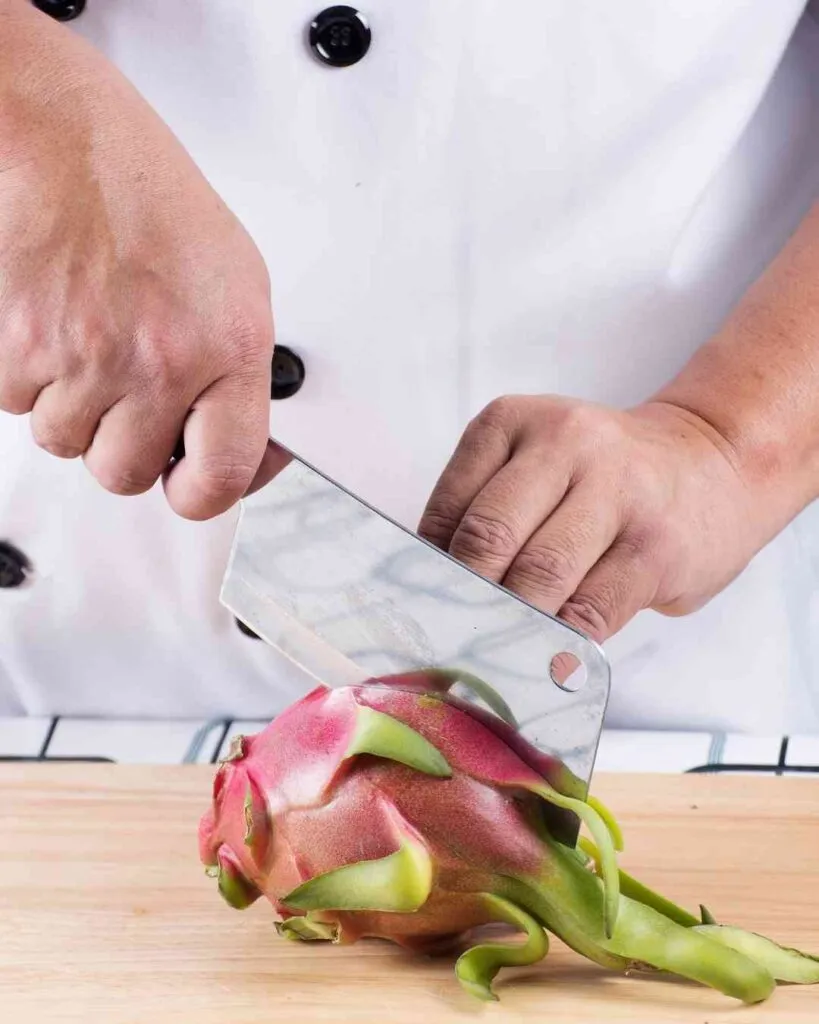
- Rinse the outside under cool water and pat dry.
- Slice off both ends just enough to create flat surfaces on each side.
- Cut in half lengthwise stand the fruit on one flat end and slice straight down through the center. You'll see the interior pattern immediately.
- Scoop or peel:
- Scoop method (easiest): Use a large spoon to run along the inside edge between flesh and skin, separating the flesh in one piece. Similar to scooping an avocado half.
- Peel method: Score the skin with cuts to create strips, then peel each strip away like a banana. Good for larger fruits.
- Cut the flesh into cubes, slices, or wedges as needed. The skin is not edible discard it.
The whole process takes under 2 minutes once you've done it a couple of times.
Creative Serving Ideas
- Dragon fruit bowl: Use the hollowed-out half as a serving bowl. Fill with diced dragon fruit, mango, kiwi, and a squeeze of lime. Instagram-worthy and genuinely delicious.
- Smoothie bowl base: Blend frozen dragon fruit chunks with a small amount of coconut milk for a vivid pink or deep red smoothie bowl. Top with granola, fresh berries, and chia seeds.
- Fruit skewers: Alternate dragon fruit cubes with melon, pineapple, and strawberries on skewers. Great for parties.
- Salsa: Diced dragon fruit, red onion, cilantro, lime, and jalapeño makes a surprisingly excellent topping for grilled fish or shrimp tacos.
- Chilled and plain: Cut into cold wedges and eat plain the refrigerator-cold version is genuinely pleasant as a light snack.
Dragon Fruit Nutrition
Per 100g dragon fruit:
- Calories: ~60 kcal low calorie, good for volume eating
- Carbohydrates: ~13g (sugars: ~8g)
- Fiber: ~3g meaningful for gut health
- Vitamin C: ~9mg (~10% DV)
- Iron: ~1.9mg (~11% DV)
- Magnesium: ~18mg (~4% DV)
- Lycopene (red-flesh variety): meaningful amounts of this cardiovascular-protective antioxidant
- Betalains (red-flesh variety): anti-inflammatory pigment compounds
- Prebiotic fiber: oligosaccharides that feed beneficial gut bacteria
Dragon fruit is a genuinely nutritious fruit not a nutritional powerhouse in any single area, but a well-rounded, low-calorie source of fiber, iron, vitamin C, and antioxidants worth including regularly.
Eat Healthy, Live Well