Benefits of Oregano Oil: Guide for Health, Immunity, and Wellness
What are the benefits of oregano oil? From antimicrobial and antifungal properties to immune support and digestive health, we cover the science behind oil of oregano, proper usage, safety guidelines, and who should avoid it.
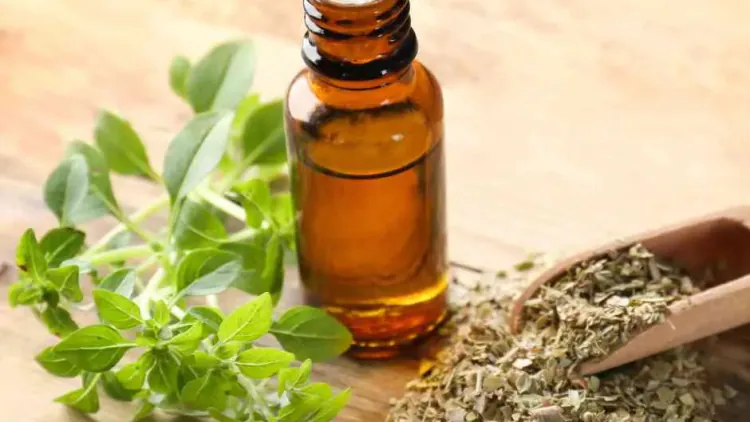
Oregano oil gets more attention than almost any other essential oil in health circles, and the research behind it is more substantive than you'd expect for a supplement that often ends up in the "trendy herbs" category. The medicinal use of oregano dates back to ancient Greece Hippocrates reportedly used it for respiratory and digestive conditions and modern science has largely validated its reputation for antimicrobial and anti-inflammatory properties.
This guide covers what the evidence actually supports, how to use it safely, the difference between oregano the herb and oregano oil as a supplement, and importantly the situations where caution is required.
What Is Oregano Oil?

Medicinal oregano oil is primarily derived from Origanum vulgare or closely related wild species (particularly Origanum compactum and Thymbra capitata). Steam distillation of the flowering plant concentrates volatile compounds into a potent essential oil.
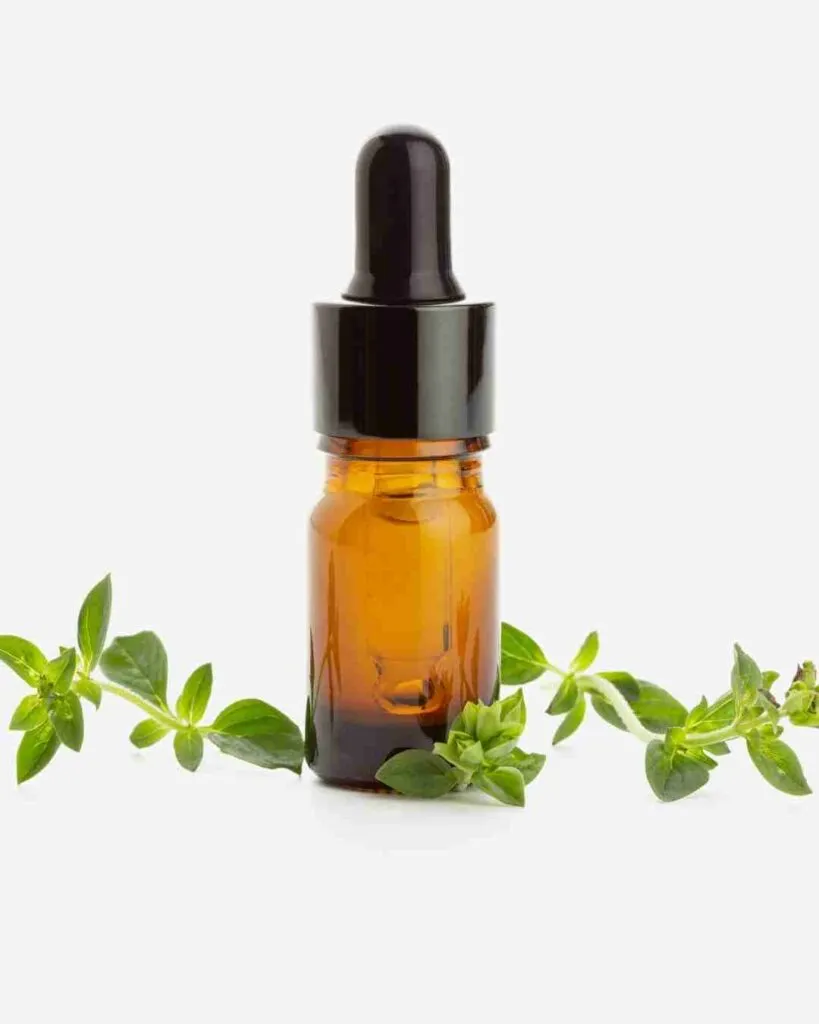
This is not the same as dried oregano in a spice jar the concentration of active compounds is dramatically different. The essential oil contains 60–80% phenols (primarily carvacrol and thymol) that give it its antimicrobial potency. Most commercial "oil of oregano" products are the essential oil diluted in a neutral carrier oil (olive oil, coconut oil) to make it safe for internal use.
The two most important active compounds:
- Carvacrol (60–80% of essential oil): The primary antimicrobial and anti-inflammatory compound. Studied extensively for antibacterial, antifungal, and antiparasitic activity.
- Thymol (5–10%): Antiseptic, antifungal, and immune-supportive. Also found in thyme oil.
Evidence-Backed Benefits of Oregano Oil
Antimicrobial Activity
Carvacrol has demonstrated effectiveness against many types of bacteria in laboratory settings, including E. coli, Salmonella, Staphylococcus aureus (including some MRSA strains), and Listeria. These are in vitro findings the concentrations achievable in the body through supplementation may differ but the mechanism is real and well-documented.
Clinical relevance: oregano oil may help prevent foodborne illness and could potentially support recovery from mild bacterial gut infections. It is not a substitute for antibiotics in serious infections.
Antifungal Properties
One of oregano oil's most well-supported uses. Studies show carvacrol and thymol are effective against Candida albicans and other fungal species. For mild cases of oral thrush or intestinal Candida overgrowth, oil of oregano shows genuine promise. Clinical evidence is stronger here than for many of its other proposed benefits.
Anti-Inflammatory Effects
Both carvacrol and thymol inhibit pro-inflammatory enzymes (COX-2, LOX) similar mechanism to many anti-inflammatory medications but much milder in potency. May help with chronic low-grade inflammation associated with metabolic syndrome, inflammatory bowel conditions, and general immune dysregulation.
Digestive Support
Small intestinal bacterial overgrowth (SIBO) and intestinal parasites are areas where oregano oil has clinical study support. A 2000 study found that oil of oregano was effective against intestinal parasites including Blastocystis hominis and Entamoeba hartmanni. Digestive cramping and bloating often improve with use in people with gut dysbiosis.
Antioxidant Protection
Oregano has an extremely high ORAC score (antioxidant capacity measurement). The phenolic compounds are potent free-radical scavengers potentially protective against oxidative stress-related chronic disease.
Using Oregano Oil When You are Sick
Oregano oil is commonly used at the first sign of cold or respiratory illness. The mechanism: antimicrobial and anti-inflammatory compounds may reduce bacterial secondary infections and calm inflammation in the respiratory tract.
For acute illness, a common approach is 3–4 drops of oil of oregano (diluted, not pure essential oil) in water or juice, 2–3 times daily for 5–7 days. The taste is intense and burning mixing with juice or honey makes it more tolerable. Always take with food to reduce gastric irritation.
Sublingual Use (Under the Tongue)
Placing diluted oil of oregano under the tongue allows faster absorption directly into the bloodstream via mucous membranes. The burning sensation is more intense sublingual than with food. Only use products specifically formulated for internal use (diluted in carrier oil) never place pure essential oil under the tongue as it will cause significant irritation.
Hold for 30–60 seconds before swallowing. Start with the lowest dose your product specifies until you know how you tolerate it.
Oregano Oil Safety and Who Should Avoid It
Side Effects
- GI burning, nausea, or diarrhea most common, especially without food
- Oral or throat irritation
- Allergic reactions in people sensitive to the Lamiaceae family (basil, mint, sage, lavender)
- Skin irritation if applied topically undiluted
Who Should Avoid or Use Caution
- Pregnant women: May stimulate uterine contractions avoid during pregnancy
- People on blood thinners (warfarin): Thymol has blood-thinning properties; could amplify anticoagulant effect
- Diabetics: May lower blood sugar monitor glucose levels
- Iron deficiency: Carvacrol may inhibit iron absorption; separate supplementation by at least 2 hours
- Children under 5: Not recommended; consult pediatrician
Never use pure essential oil internally only products specifically formulated for oral use with diluted concentrations. If you are unsure, consult a healthcare provider before starting.
Eat Healthy, Live Well