Can You Freeze Celery? (Raw, Chopped, Cooked, Juice & Without Blanching)
Can you freeze celery? Yes — and we show you exactly how. We cover blanched vs unblanched methods, how long it lasts, what texture changes to expect, freezing celery with other vegetables, and common mistakes to avoid.
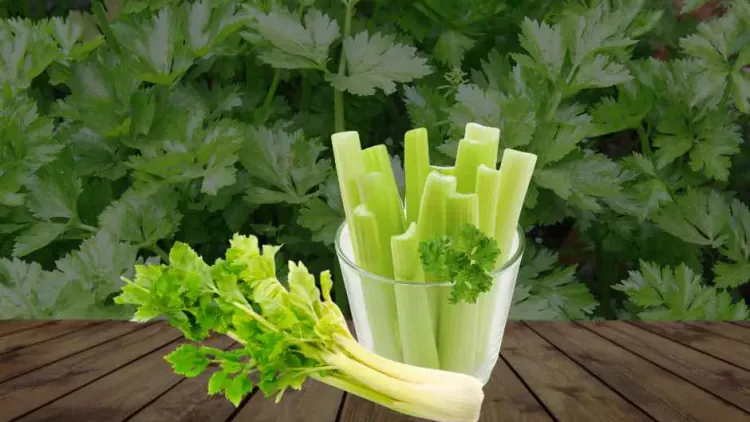
Celery is one of those vegetables that's almost always purchased in larger quantities than immediately needed. You grab a bunch for a soup recipe, use four stalks, and then watch the rest slowly go limp in the back of the fridge drawer over the following week. Freezing is the obvious solution and yes, celery freezes well for cooked applications.
The catch everyone should know upfront: frozen-then-thawed celery won't have the crunch of fresh. The high water content means ice crystals form during freezing, breaking down cell walls and producing a softer texture when thawed. This is fine even ideal for soups, stews, stir-fries, sauces, and stocks. It is not suitable for eating raw as a snack or in fresh salads after freezing.
Why Texture Changes After Freezing

Celery is approximately 95% water. When water freezes, it expands and forms sharp ice crystals that puncture cell walls from the inside. When the celery thaws, those ruptured cells can no longer hold their shape and water, resulting in a limp, softer texture. This is the same reason frozen and thawed cucumber or lettuce becomes mushy high water content vegetables all have this property.
Blanching before freezing partially addresses this by deactivating enzymes that accelerate degradation and by firming the cell structure slightly. But for truly crunchy fresh celery applications, fresh is the only option.
Celery Shelf Life: Fridge vs Freezer
- Refrigerator (properly stored, unwashed, in plastic bag or wrapped in foil): 2–4 weeks for a whole bunch; up to 2 weeks for cut pieces
- Refrigerator (submerged in water like cut flowers): Extends to 3–4 weeks and maintains crunch better
- Freezer (blanched): 12–18 months
- Freezer (unblanched, raw): 1–2 months before quality degrades noticeably
How to Freeze Celery: Blanched Method (Best for Long Storage)
- Wash thoroughly: Rinse under cold running water, paying attention to where the stalks meet at the base where soil accumulates.
- Trim and cut: Remove the base and any wilted or damaged outer stalks. Cut into uniform pieces ½-inch slices are most versatile for most cooking applications.
- Blanch: Drop into boiling water for exactly 3 minutes, then immediately transfer to an ice bath (large bowl with cold water and ice) to stop the cooking. This deactivates degradation enzymes and preserves color and some texture.
- Dry completely: Drain thoroughly and pat very dry with paper towels or spin in a salad spinner. Excess moisture creates large ice crystals and causes clumping in the bag.
- Flash freeze: Spread in a single layer on a baking sheet lined with parchment. Freeze for 1–2 hours until individual pieces are solid. This prevents clumping.
- Transfer to freezer bags: Move frozen pieces into labeled, dated freezer bags. Remove as much air as possible before sealing vacuum sealing extends quality further.
Freezing Without Blanching (Quick Method)
You can freeze celery raw wash, dry thoroughly, cut into pieces, and freeze in a single layer before bagging. Use within 1–2 months for best results. This method works well when you need a quick solution and the celery will be cooked from frozen (directly into soups, stews, or stir-fries without thawing).
What You Can Freeze
- Whole stalks: Freeze unblanched for 1–2 months. Best used straight from frozen in cooked dishes.
- Chopped/sliced celery: Most versatile frozen form. Goes straight into soup pots, casseroles, stir-fries.
- Celery leaves: Freeze in ice cube trays with water or olive oil. Excellent for adding to stocks and soups more flavor per gram than the stalks.
- Celery juice: Pour into ice cube trays, freeze solid, transfer to bags. Use cubes in smoothies, soups, and sauces. 1 cube ≈ 2 tablespoons of juice.
- Cooked celery: If you have leftover cooked celery from a dish, cool completely, drain, and freeze for up to 3 months. Reheat directly from frozen in the microwave or on the stovetop.
Common Mistakes to Avoid
- Freezing wet celery: Surface moisture creates ice crystals and causes pieces to clump together. Always dry thoroughly before freezing.
- Skipping the flash freeze step: Without this, pieces freeze into a solid block. Separating them requires thawing the whole batch.
- Using freezer-burned celery: White, dry patches on frozen celery indicate freezer burn. It's safe to eat but the flavor is noticeably impaired cut away affected sections.
- Thawing before adding to soup: Frozen celery can go directly into boiling soup or stew without thawing. Thawing first releases more water into the dish.
- Expecting fresh-celery texture after freezing: Manage expectations frozen celery works beautifully in cooked applications but will never be crisp again after freezing.
Eat Healthy, Live Well