Dairy Free Yogurt: What It Is, Best Brands, Protein, Probiotics & How to Make It
What is dairy-free yogurt, and is it actually healthy? We cover what it's made from, protein content, probiotics, the best brands for taste and nutrition, and how to make it at home with just two ingredients.
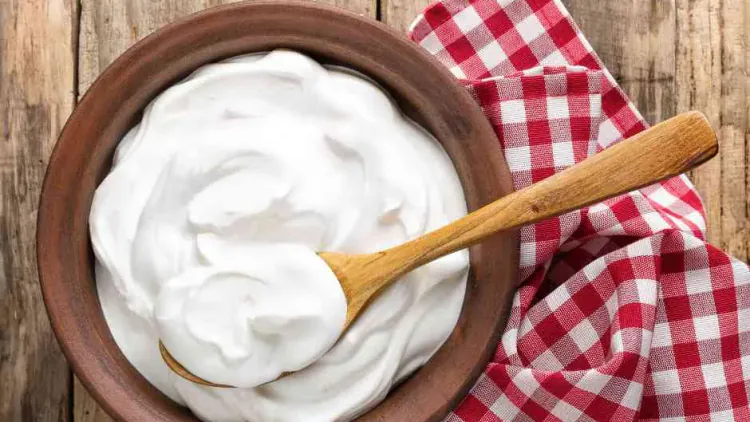
The dairy-free yogurt category has grown from a niche health food store item to a legitimate grocery aisle presence with dozens of options across multiple plant bases. If you are managing lactose intolerance, a dairy allergy, a vegan diet, or just curious about alternatives, the current market offers far better quality than it did even five years ago.
But not all dairy-free yogurts are equal the protein, probiotic content, sugar levels, and taste vary enormously by base ingredient and brand. Here's what you actually need to know before grabbing one off the shelf.
What Is Dairy-Free Yogurt?
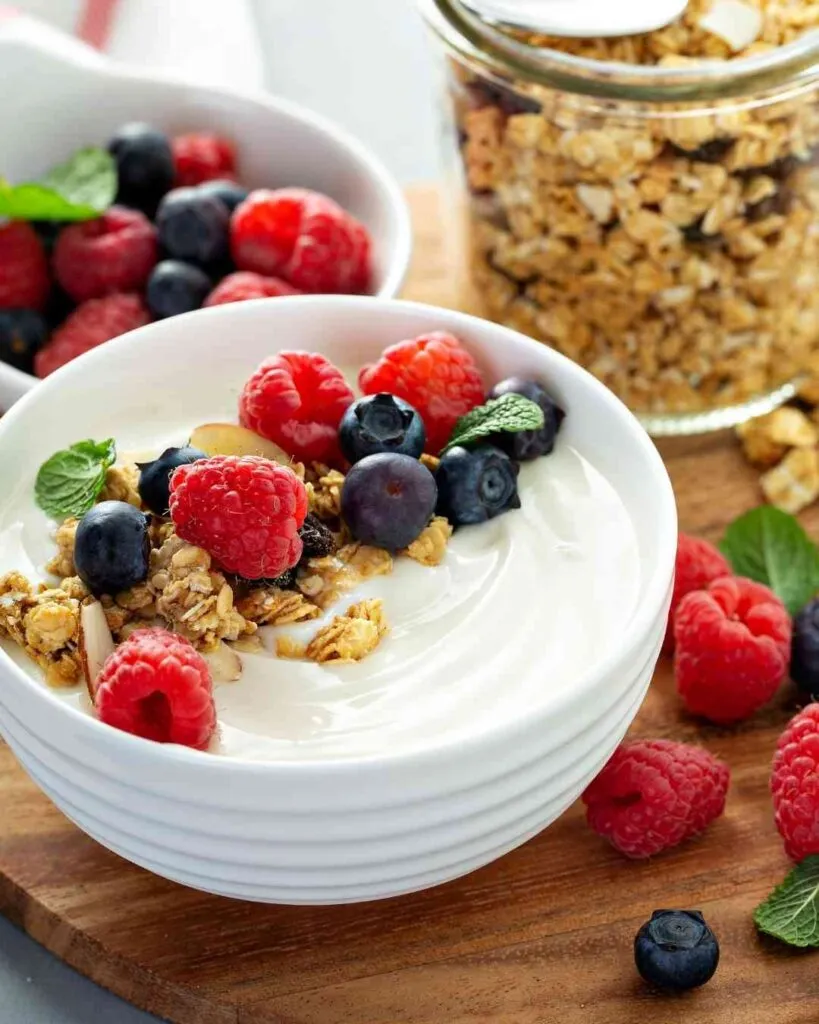
Dairy-free yogurt is a fermented product made from plant-based milk instead of cow, goat, or sheep milk. It replicates the tangy flavor, smooth texture, and probiotic qualities of conventional yogurt without any lactose, casein, or whey. The same bacterial cultures used in dairy yogurt (Lactobacillus bulgaricus and Streptococcus thermophilus, plus optional additional strains) ferment the plant milk, creating the characteristic tanginess and live cultures.
What Are the Common Bases?
- Coconut milk: The most widely available base. Thick and creamy, naturally high in fat, low in protein. Works well for texture but limited nutritionally. Rich, slightly sweet coconut flavor.
- Soy milk: Best protein content of all plant bases (~5–8g per serving). Mild flavor that ferments well. Closest to conventional yogurt in texture and protein level. Avoid if soy-allergic.
- Oat milk: Mild, slightly sweet flavor. Moderate protein (~2–3g). Higher in carbohydrates than other bases. Popular for its environmental sustainability credentials.
- Almond milk: Light and slightly nutty. Very low in protein (1–2g). Good choice for flavor, less so for protein goals.
- Cashew milk: Creamy, mild, slightly sweet. Low protein but excellent texture. Often used in premium brands.
- Pea protein yogurt: Newer category; uses pea protein isolate to boost protein to 10–15g per serving the closest to Greek yogurt's protein levels in plant-based form.
Do Dairy-Free Yogurts Have Probiotics?
Yes if they are properly fermented. Look for "live and active cultures" on the label and a culture count in the billions (CFU). The same beneficial bacterial strains used in dairy yogurt work in plant-based versions; the fermentation process is essentially identical.
Important caveat: not all dairy-free yogurt is fermented. Some products use heat treatment after fermentation, which kills the live cultures. These products are essentially yogurt-flavored rather than genuinely probiotic. The "live active cultures" label is the key thing to check.
Feature
Traditional Yogurt
Lactose-Free Yogurt
Dairy-Free (Plant-Based) Yogurt
Primary Ingredient
Cow/Goat/Sheep Milk
Cow Milk (lactase-treated)
Almond, Soy, Coconut, Oat, Cashew, etc.
Contains Milk Protein?
Yes (Casein/Whey)
Yes (Casein/Whey)
No
Contains Lactose?
Yes
No (lactase added)
No
Safe for Vegans?
No
No
Yes
Safe for Milk Allergy?
No
No
Yes
Protein Content: The Main Weakness
This is where dairy-free yogurt consistently falls short compared to conventional dairy yogurt. Regular Greek yogurt provides 15–20g protein per cup. Most plant-based yogurts offer 2–8g, with coconut and almond yogurts at the bottom (1–3g) and soy or pea protein versions at the top (8–15g).
If protein intake is a priority: seek out Kite Hill Greek Style (made from almonds + added protein), Silk Protein yogurt, or Forager Project (cashew-based with meaningful protein). These are among the few options that compete meaningfully with dairy yogurt on protein.
Is Dairy-Free Yogurt Healthy?
Generally yes, with important qualifications:
- Benefits: Live cultures for gut health, often lower saturated fat than full-fat dairy yogurt (except coconut-based), calcium-fortified varieties provide bone health support, suitable for multiple dietary restrictions
- Watch out for: Many flavored dairy-free yogurts contain significant added sugar (10–15g per serving in some brands). Plain unsweetened versions are almost always the better nutritional choice.
- Not a direct nutritional substitute: Unless you choose soy or pea protein versions, you are trading protein for tolerance/preference.
Best Dairy-Free Yogurt Brands
- Forager Project (cashew): Excellent flavor, real fermentation, solid probiotic count. One of the best-tasting options.
- Kite Hill (almond): Widely available, good texture, Greek-style version with added protein.
- So Delicious (coconut): Widely available, creamy texture, low protein but good for taste and probiotic content.
- Silk (almond, oat, or soy): Accessible, affordable, consistent quality. Soy version best for protein.
- COYO (coconut): Very thick and creamy, minimal ingredients, premium quality. High in saturated fat from coconut.
- Lavva (pili nut): Unusual base, very short ingredient list, interesting flavor. Lower protein but clean formulation.
How to Make Dairy-Free Yogurt at Home
Homemade dairy-free yogurt is genuinely easy and requires only two ingredients:
- Choose your milk: Full-fat coconut milk makes the richest, thickest result. Soy milk gives the best protein. Use unsweetened, full-fat versions.
- Add a starter culture: Either 1–2 tablespoons of store-bought plain dairy-free yogurt with live cultures, or dairy-free yogurt starter powder (available online or at health food stores).
- Heat and cool: Warm the milk to 110°F (43°C) hot enough to activate cultures but not so hot it kills them. Let cool if starting from boiling.
- Inoculate: Whisk in the starter.
- Incubate: Pour into a clean jar and keep at ~110°F for 8–12 hours. A yogurt maker is easiest; a warm oven with just the light on, or a cooler with warm water, also works.
- Refrigerate: Chill for at least 4 hours before eating this thickens the texture and develops the flavor.
The result: tangy, genuinely probiotic, customizable yogurt at a fraction of the price of premium store-bought versions. Add vanilla extract and a touch of maple syrup after chilling if you want a naturally sweetened version.
Eat Healthy, Live Well