What Does Matcha Taste Like? Flavor Profile, Latte Taste, Starbucks Version & More
Matcha tastes earthy, umami-rich, slightly sweet, and mildly bitter — but the experience varies hugely by grade and preparation. This guide breaks down ceremonial vs. culinary matcha flavor, lattes, Starbucks vs. specialty café versions, and how to actually make it taste good.
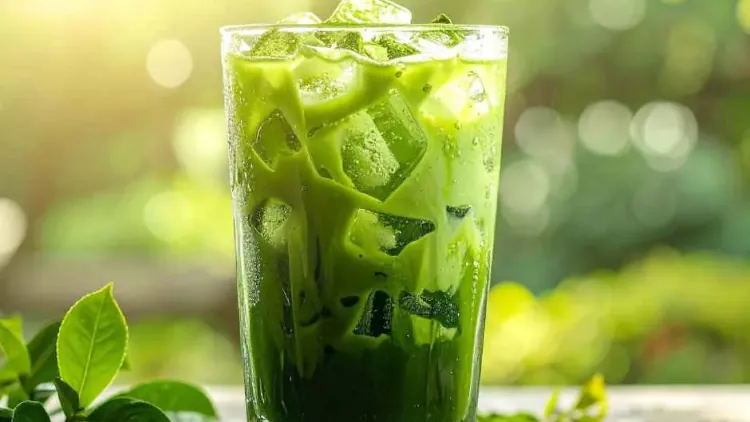
If you've been seeing matcha absolutely everywhere lately on every café menu, all over TikTok, in the hands of every second person at Starbucks you are not imagining it. Matcha has had a genuinely remarkable run, moving from Japanese tea ceremony staple to Gen Z lifestyle signal in what feels like about five minutes.
But here's the thing: a lot of people try it for the first time and aren't sure what they just drank. Is it supposed to taste like that? Is it supposed to be that green? Is the bitterness normal, or does this just mean it's bad quality?
Let's break down what matcha actually tastes like, why the flavor varies so much, and how to get from "kind of weird" to "genuinely love this."
What Is Matcha, Actually?
Matcha and regular green tea come from the same plant Camellia sinensis but they are made completely differently. With regular tea, you steep the leaves and discard them. With matcha, you are consuming the entire leaf, ground into an ultra-fine powder.
Weeks before harvest, matcha tea plants are shaded from direct sunlight. This triggers the plant to produce more chlorophyll and L-theanine (an amino acid). After picking, the leaves are steamed, dried, and stone-ground into that vivid green powder.
Because you are ingesting the whole leaf rather than a water extract of it, matcha is significantly more concentrated in both nutrients and flavor than any steeped green tea. And yes it contains meaningful caffeine, roughly comparable to a shot of espresso, but the L-theanine moderates the effect so it feels more like calm focus than a jittery spike.
What Does Matcha Taste Like? The Core Flavor Profile
Matcha's flavor is multi-layered in a way that takes a few sips to fully register. It's not like most beverages it doesn't have one dominant flavor note. It has several working together simultaneously.
Earthy and Vegetal
There's a clear grassy, plant-forward quality to matcha often described as fresh-cut grass, damp earth, or young spinach. This comes directly from the elevated chlorophyll levels created by shade growing. In good matcha it should feel vibrant and clean, not musty or overwhelming.
Umami The Savory Depth
This is the characteristic that surprises most newcomers. Good matcha has a distinctly savory, almost broth-like quality. That's the L-theanine at work. This savory depth is what distinguishes high-quality matcha from cheap knockoffs and it's part of why ceremonial-grade matcha costs more. You are paying for that umami richness.
Natural Sweetness with Mild Bitterness
Quality matcha has a gentle, inherent sweetness not sugary, more of a soft, clean undertone. There's also mild bitterness from catechins (the same antioxidant compounds that give green tea its health benefits). In well-made matcha this bitterness is brief and balanced, fading quickly rather than lingering. If the bitterness sticks around or dominates, that's a quality or preparation issue.
Smooth, Velvety Mouthfeel
When whisked properly, matcha develops a light foam and feels silky almost creamy without any dairy. That texture rounds out the experience considerably. Graininess or a chalky residue means it wasn't whisked well enough, or the powder is low quality.
What Does Good Matcha Taste Like vs. Bad Matcha?
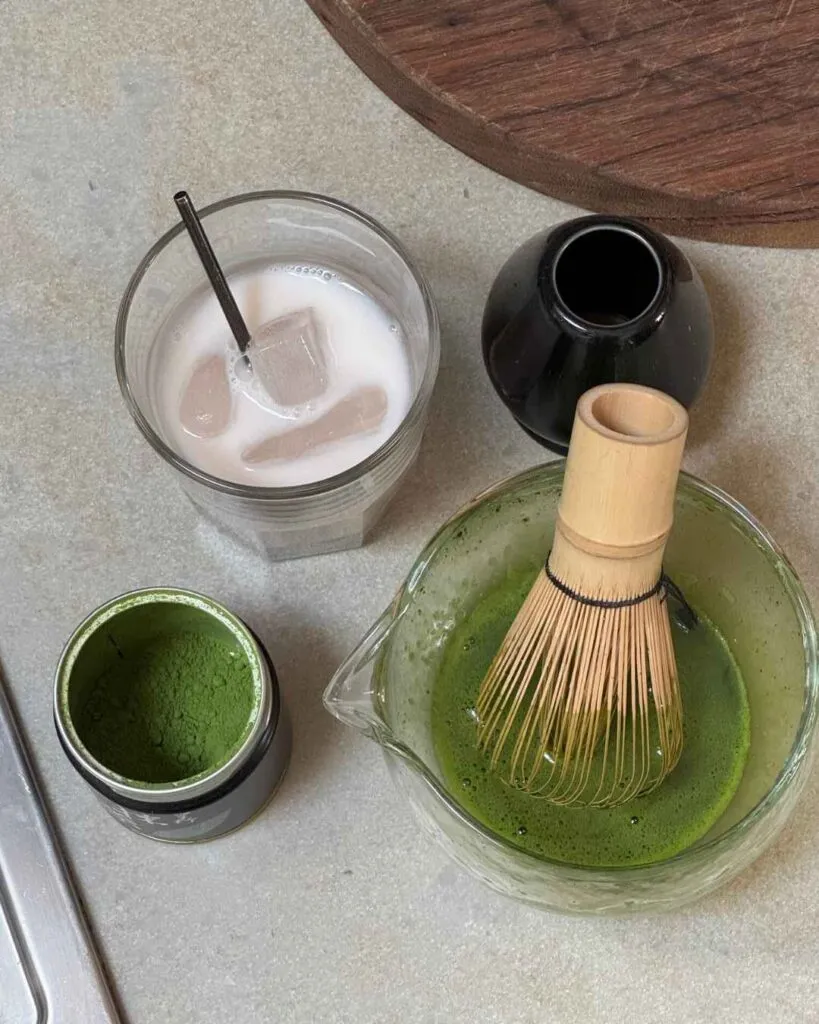
Ceremonial Grade (The Real Thing)
Ceremonial-grade matcha is made from the youngest, most tender leaves and is meant to be drunk straight just hot water and powder. Premium ceremonial matcha tastes:
- Strong but smooth umami depth
- Noticeably sweet with a velvety texture
- Very low bitterness brief and clean
- Vegetal notes that feel fresh and bright, not harsh
- A pleasant finish that lingers without astringency
Culinary Grade (For Cooking and Lattes)
Culinary-grade matcha is made from more mature leaves and designed to be mixed with milk, sweetener, and other ingredients. On its own it's significantly more bitter, sometimes sour, occasionally chalky, and lacks that umami depth. That's fine for baked goods or lattes the other flavors cover it. But you definitely don't want to drink culinary grade straight with just water.
How to Spot Quality Before You Taste
You can judge a lot by looking:
- Color: Good matcha is a vivid, electric green almost glowing. Dull, yellowish, or brownish powder signals oxidation and lower quality.
- Aroma: Fresh ceremonial matcha smells grassy, clean, and slightly sweet. Dusty, stale, or fishy smells mean it's past its prime or was never good.
Does Matcha Taste Like Grass?
Sort of but in the best possible way when it's done right. The grassy character in quality matcha should feel like fresh young spinach, tender peas, or a delicate nori seaweed note. It should feel clean and slightly sweet, not like you just ate a lawn.
If your matcha tastes aggressively bitter, pungent, or oddly fishy, that's either poor quality, bad storage, or a preparation mistake not what matcha is supposed to taste like. Fresh ceremonial-grade matcha should never be harsh.
Matcha vs. Other Drinks
Matcha vs. Green Tea
Both come from the same plant, but the experience is completely different. Regular green tea is lighter, cleaner, sometimes slightly smoky or grassy. Matcha is far more intense more complex umami, stronger vegetal depth, creamier mouthfeel. Think of it as regular green tea turned up to full volume.
Matcha vs. Coffee
Zero overlap. Coffee has roasted, bitter, acidic notes often nutty or chocolate-adjacent. Matcha is earthy, umami-forward, and gently sweet. Both deliver caffeine, but the experience in your body is different too: matcha's L-theanine creates calm, focused energy rather than the sharp spike-and-crash pattern coffee can cause.
Matcha vs. Herbal Teas
Herbal teas lean toward floral, fruity, or spicy single notes relatively simple and light. Matcha has structural depth. Intensity-wise it's closer to a rich vegetable broth than a chamomile infusion.
What Does a Matcha Latte Taste Like?
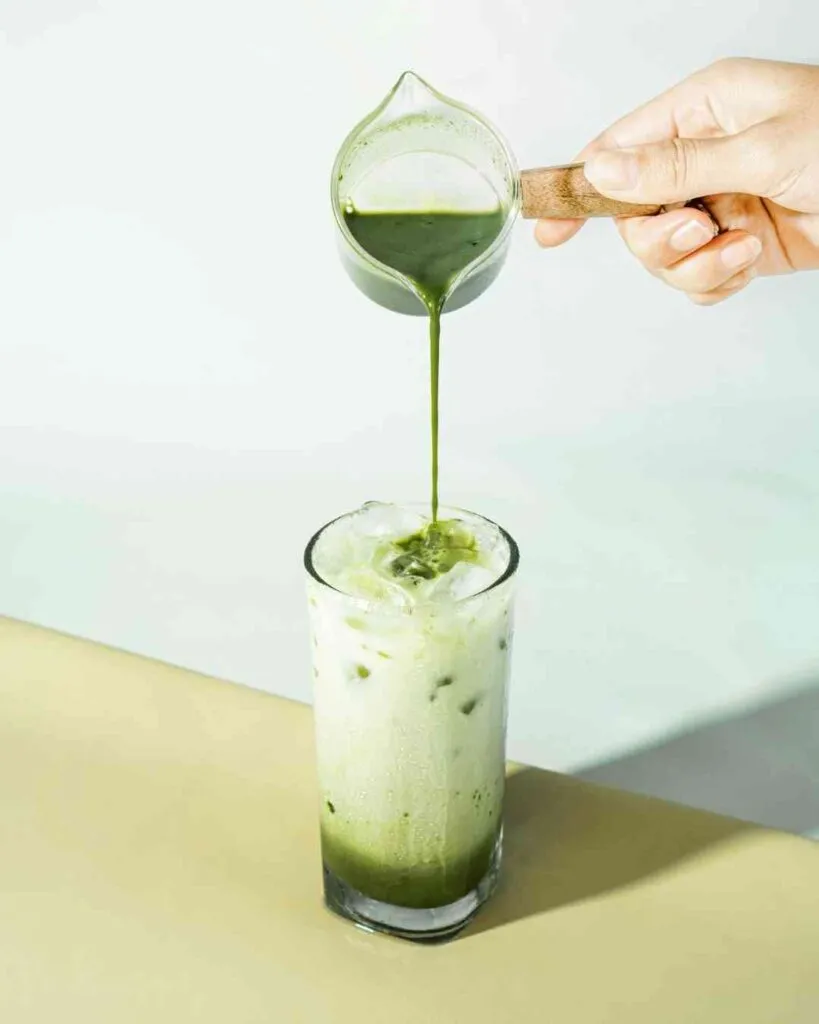
Adding milk changes the equation significantly. A matcha latte is a very different experience from drinking plain matcha:
- Creamier and smoother: Milk adds body that plain matcha doesn't have
- Sweeter: Milk naturally tones down bitterness, and most cafés add syrup or honey on top of that
- Milder umami: The savory depth of good matcha softens considerably with milk fats
- Less grassy: The vegetal sharpness fades, making the drink far more approachable for newcomers
Milk choice matters quite a bit:
For most people discovering matcha, starting with a latte is the smart play. Once your palate adjusts, you can explore plain matcha to appreciate the full depth of what you are drinking.
What Does Starbucks Matcha Taste Like?
Starbucks matcha is sweet, creamy, and very approachable but it's not representative of what real matcha tastes like. The key detail: Starbucks uses a pre-sweetened matcha blend that already contains sugar (dextrose). So the drink starts sweeter and simpler than anything you'd get from a specialty matcha café.
- Hot Matcha Latte: Intensely sweet, cozy, creamy. Sweetness leads everything.
- Iced Matcha Latte: Cool and smooth, often described as "green milk." Very accessible.
- Matcha Frappuccino: Essentially a sweet frozen dessert. Heavy dilution with ice and syrup reduces matcha to a background note.
If Starbucks was your introduction to matcha, you've had the most commercially friendly version not the best version. The rich umami and complex vegetal notes of ceremonial-grade matcha are largely absent.
Matcha in Other Forms
Iced Matcha (No Milk)
Whisked with water and poured over ice, cold temperature reduces bitterness and creates a clean, refreshing drink with crisp vegetal notes. Less intense aroma than hot matcha, but very pleasant especially in summer.
Matcha Boba
Sweet, creamy, and rich with chewy tapioca pearls for contrast. The matcha earthiness plays nicely off the sweet milk base. Often sweetened with brown sugar, which adds a caramel-like depth to the green tea foundation.
Matcha Ice Cream
Bold green tea flavor that's sweet but not cloying the slight bitterness of matcha actually balances the richness of the cream and prevents it from feeling too heavy. Premium versions deliver intense, authentic flavor. Budget versions taste artificial and flat.
Strawberry Matcha
A trendy layered drink that works surprisingly well. Sweet-tart strawberry, earthy matcha, and creamy milk create a layered, complex experience. The berry brightness lifts the earthy base without overwhelming it.
Lavender Matcha
Elegant and fragrant. Lavender's floral, slightly perfumed sweetness softens the grassiness and complements the natural sweetness in the tea. A refined, calming combination popular at upscale cafés.
Why Is Matcha So Popular Right Now?
A few converging trends explain the matcha moment we are living through:
- Layered, distinctive flavor: In a sea of generic sweet drinks, matcha offers something genuinely different complex, sophisticated, not easily replicated.
- Health credibility: High EGCG antioxidant content, L-theanine for calm focus, and consuming the whole leaf rather than just a steep all make matcha feel more purposeful than typical café drinks.
- Instagram and TikTok visibility: The vivid green color photographs beautifully. Layered drinks with milk and fruit purées are viral content gold.
- Gen Z wellness alignment: Younger consumers are skeptical of artificial ingredients and jittery coffee. Matcha delivers caffeine with perceived health benefits and a "cleaner" reputation.
- The "Matcha Girl" aesthetic: Social media has created a whole aspirational lifestyle around matcha the ceramic cup, the bamboo whisk, the morning ritual. It's become a cultural identity, not just a drink.
How to Make Matcha Actually Taste Good
If your first matcha experience was underwhelming or unpleasantly bitter, these three things probably explain it:
- Water temperature: Use hot water around 175°F (80°C) never boiling. Boiling water scorches the leaves and amplifies bitterness dramatically. This single change makes an enormous difference.
- Whisk properly: Use a bamboo whisk (chasen) in rapid W and M motions until you get a light, even froth. Good whisking creates the smooth, velvety texture matcha is known for. A blender or electric frother works too.
- Buy ceremonial grade: This is the biggest upgrade. Ceremonial-grade matcha is a different experience from culinary grade. Yes, it costs more, but if you've only ever had cheap or old matcha, you haven't actually tasted what this drink can be.
Easy Matcha Recipes to Try
Final Verdict: What Does Matcha Taste Like?
Good matcha is earthy and vegetal, umami-rich and savory, gently sweet, and mildly bitter all at once, in a way that feels balanced rather than overwhelming. As a latte it becomes creamy, sweet, and approachable. As a plain ceremonial preparation it's complicated and complex.
The key to enjoying it: use quality powder, don't use boiling water, and whisk it properly. Skip the sweetened Starbucks blend and find a specialty café or order ceremonial-grade powder online. One properly made cup of good matcha and the whole trend will make a lot more sense.