Benefits of Peppermint Tea: A Complete Guide to Its Health Effects, Uses & Daily Advantages
What are the benefits of peppermint tea? From IBS relief and improved digestion to better focus, clearer skin, and stress relief — we cover the science, best brewing methods, and who should avoid it.
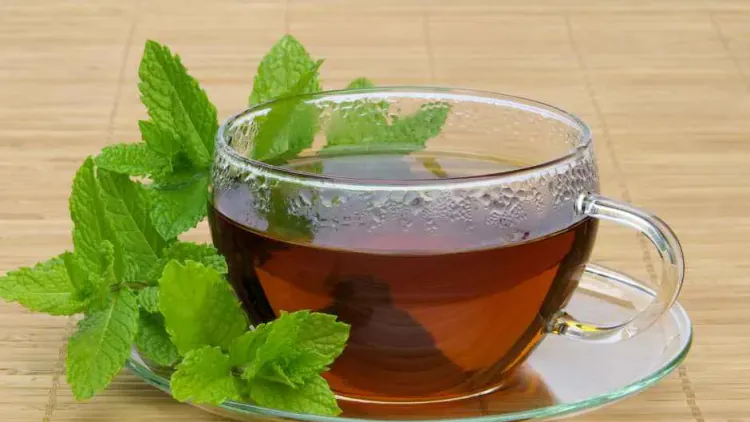
Peppermint tea is one of those drinks that earns its reputation honestly. People don't keep coming back to it just because it tastes good though it does but because it consistently delivers results for some of the most common everyday complaints: bloating after a heavy meal, post-lunch brain fog, tension headaches, a restless night, or a sour stomach.
This guide covers what the research actually supports about peppermint tea's benefits, how to use it most effectively for specific goals, gender-specific advantages, and the few situations where you should exercise caution.
What Is Peppermint Tea?

Peppermint tea is an herbal infusion made from the leaves of Mentha × piperita a natural hybrid of watermint and spearmint. It contains no caffeine, making it a genuinely calming, caffeine-free alternative to black or green tea.
The primary bioactive compounds are menthol (responsible for the characteristic cooling sensation) and menthone, along with flavonoids (rosmarinic acid, hesperidin) and various volatile oils. These compounds, not the tea itself, drive the health effects which is why properly brewed peppermint tea made from real leaves is more effective than artificially flavored "peppermint" products.
Science-Backed Benefits of Peppermint Tea
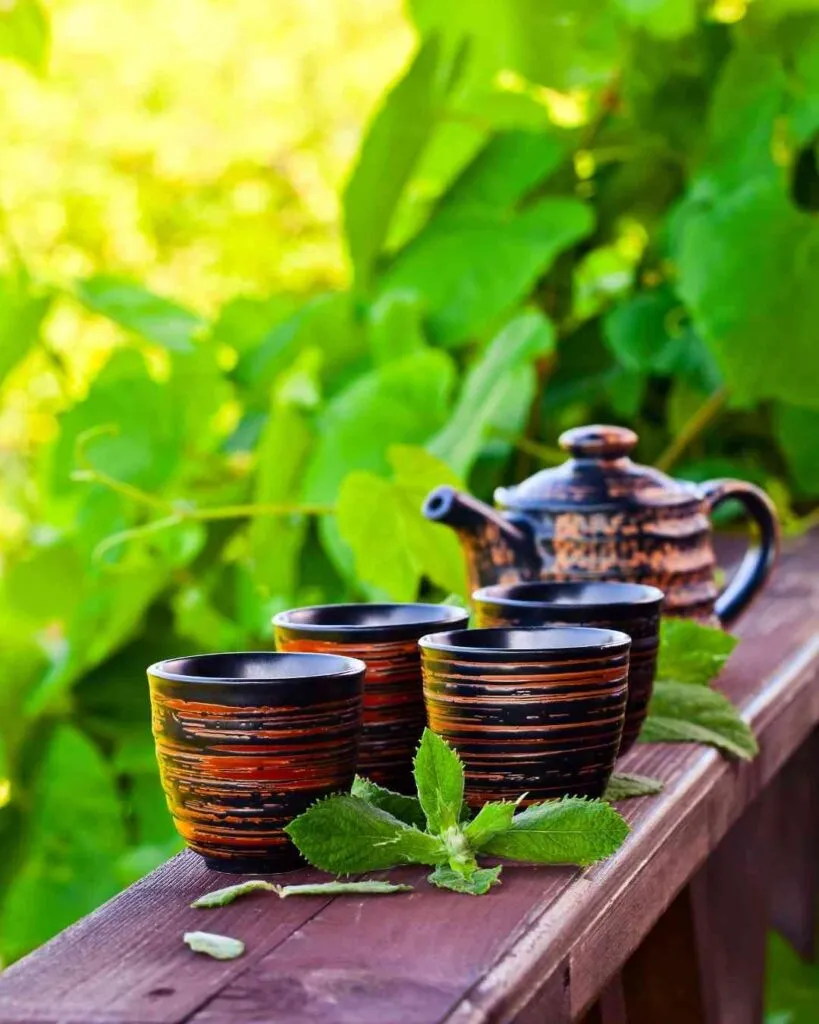
Digestive Relief and IBS Management
This is peppermint's strongest and most well-researched benefit. The menthol in peppermint relaxes smooth muscle in the digestive tract, which helps relieve spasms, cramps, gas, and bloating. Multiple clinical trials show that peppermint oil (in enteric-coated capsule form) significantly reduces IBS symptoms the tea version offers similar but gentler effects for everyday digestive discomfort. Drink a cup 20–30 minutes after a heavy meal for optimal digestive benefit.
Mental Focus and Alertness
Inhaling peppermint aroma has shown measurable improvements in alertness, memory, and sustained concentration in human studies. Drinking peppermint tea gives you both the aroma and the internal menthol effect a combination that many people find genuinely sharpens afternoon focus without caffeine. This makes it an excellent mid-afternoon drink for anyone avoiding caffeine after noon.
Tension Headache Relief
Applied topically, diluted peppermint oil has been shown to be comparably effective to acetaminophen (paracetamol) for tension headaches. Drinking the tea provides milder systemic menthol that may help, but the topical application effect is what's primarily studied. Combining the two applying diluted peppermint oil to temples and drinking a cup of tea is a reasonable approach for a tension headache without medication.
Nasal Congestion and Sinus Relief
Menthol activates cold receptors in the nasal passages, creating a sensation of improved airflow. It doesn't physically open airways, but the perceived decongestion is genuine and helpful when you have a cold or seasonal allergies. Steam from hot peppermint tea amplifies this effect inhale the steam while drinking.
Sleep Quality Support
Peppermint tea's calming effect on the digestive system and its muscle-relaxing properties contribute to better sleep for people whose sleep is disrupted by digestive discomfort or tension. It's caffeine-free, making it appropriate as an evening drink. Note: for people prone to acid reflux, drinking peppermint before bed may worsen symptoms due to lower esophageal sphincter relaxation.
Antimicrobial Properties
Peppermint compounds have shown antibacterial activity against several oral and foodborne pathogens in laboratory studies. While drinking tea doesn't deliver the same concentrations as direct treatment, regular peppermint tea consumption may modestly support oral health and general bacterial defense.
Benefits for Women and Men Specifically
For Women
Peppermint tea shows promise for hormonal acne a small clinical study found that drinking 2 cups of spearmint tea daily significantly reduced excess androgens (male hormones that drive sebum production and acne) in women with PCOS. The effect was attributed to spearmint's anti-androgenic activity. Peppermint is botanically different but similarly rich in menthol and related compounds.
For menstrual cramps, the smooth-muscle-relaxing properties may provide gentle relief. Many women report real benefit from drinking peppermint tea during the first days of their cycle.
For Men
Digestive benefits, focus support, and exercise performance applications (menthol's cooling effect may reduce perceived exertion during training). No adverse effects on testosterone have been found with peppermint tea consumption at normal dietary levels the concern about spearmint's anti-androgenic effects applies primarily to high-dose spearmint, not moderate peppermint tea consumption.
Peppermint Tea During Pregnancy
Peppermint tea is generally considered safe in moderate amounts during pregnancy (1–2 cups daily) and is commonly used to manage morning sickness nausea. However, high doses of peppermint oil (not tea) have shown uterine-stimulating properties in animal studies, so the general guidance is to stick to moderate tea consumption and avoid peppermint essential oil supplementation during pregnancy. Always discuss with your midwife or OB-GYN if you have specific concerns.
Who Should Be Cautious
- GERD and acid reflux: Peppermint relaxes the lower esophageal sphincter, which can worsen acid reflux in susceptible people. If you have regular reflux, avoid peppermint tea or drink it only with meals rather than on an empty stomach.
- Gallstone history: Peppermint can stimulate bile flow beneficial for digestion generally, but potentially problematic for people with existing gallstones.
- Infants and young children: Menthol can cause breathing difficulties in infants peppermint tea is not appropriate for very young children. Keep peppermint products away from infants' faces.
- Drug interactions: Peppermint may affect how the liver processes certain medications (CYP450 enzyme interactions). People on blood pressure medications, cyclosporine, or certain antifungal drugs should consult their doctor.
How to Brew Peppermint Tea for Best Results
Fresh or quality dried leaves deliver significantly more menthol and bioactive compounds than cheap commercial tea bags:
- Heat water to just below boiling (~95°C / 200°F) fully boiling water can volatilize some of the menthol too quickly
- Use 1 tablespoon of fresh leaves or 1–2 teaspoons of dried leaves per cup
- Steep covered for 5–7 minutes covering traps the volatile oils in the steam, keeping them in the tea rather than escaping into the air
- Remove the leaves before drinking
- Drink plain or add a small amount of honey if desired
2–3 cups daily is considered a reasonable amount for ongoing benefit without excess. More than 5 cups daily is generally unnecessary and the digestive-relaxing effects can become counterproductive at very high intake levels.
Eat Healthy, Live Well