Are Potatoes Healthy? Nutrition, Benefits & Best Ways to Eat
Are potatoes healthy? Yes — when prepared the right way, potatoes are a nutritious, fiber-rich vegetable with real health benefits. We cover the nutrition facts, compare red vs sweet vs baked potatoes, and show you the healthiest ways to eat them.

Potatoes have been feeding entire civilizations for centuries, and yet somehow they've ended up with a reputation problem in the modern diet conversation. Low-carb advocates treat them as enemy number one. Diet culture wrote them off as fattening. And somewhere along the way, "potato" became code for unhealthy.
potatoes are genuinely healthy. They are a whole food, a vegetable, and one of the most potassium-rich foods you can eat. Yes, they are potatoes considered vegetables unambiguously. The problems people associate with potatoes usually come from what gets done to them (deep frying, butter loading, heavy salt) rather than the potato itself.
This guide covers the real nutrition facts, the benefits of different potato types, what actually makes them less healthy in certain preparations, and the best ways to eat them if you want the nutrition without the downsides. Many people include potatoes as part of their daily meals and for good reason. Want a boiled potato or something heartier for a healthy breakfast? Both work. Let's get into the specifics.
So Are Potatoes Actually Healthy?
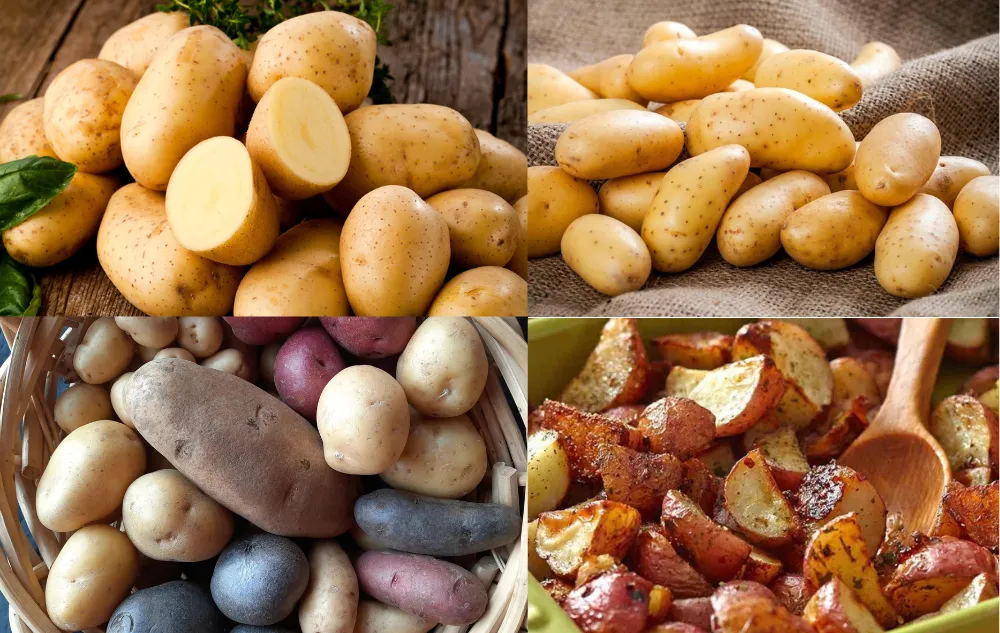
Yes when cooked and eaten in reasonable portions without excessive added fat or salt. Potatoes are a naturally nutrient-dense whole food that provide real value in a balanced diet. The "potatoes are bad" narrative largely ignores that most negative research findings are about potato chips and french fries heavily processed, high-fat versions that barely resemble a plain baked or boiled potato.
Potato Nutrition at a Glance
A medium baked potato (about 173g, skin on) provides roughly:
- 161 calories modest for a filling, satisfying food
- 4g protein surprisingly decent for a vegetable
- 37g carbohydrates primarily starch, which converts partly to resistant starch when cooled
- 3.8g fiber most of it in the skin
- 926mg potassium more than a banana; one of the best dietary potassium sources
- Vitamin C, B6, folate, magnesium, iron all meaningful amounts
The skin is where a significant portion of the fiber and micronutrients live eating potatoes with the skin on meaningfully improves the nutritional profile.
Health Benefits of Potatoes
| Nutrient | Amount per 1 Medium Potato (with skin) |
|---|---|
| Calories | ~110 kcal |
| Carbohydrates | ~26 g |
| Fiber | ~2 g |
| Protein | ~3 g |
| Vitamin C | ~20% Daily Value |
| Potassium | ~15% Daily Value |
| Fat | 0 g |
Heart and Blood Pressure Support
The potassium content in potatoes is genuinely impressive one medium potato provides about 20–25% of the daily recommended intake. Potassium counteracts sodium's blood pressure-raising effect and supports healthy arterial function. Anthocyanins in purple and blue-fleshed varieties add antioxidant protection on top of this.
Digestive Health
Potatoes are good for the gut. They provide fiber (especially with the skin), and cooled cooked potatoes develop resistant starch a type of starch that bypasses digestion and feeds beneficial gut bacteria. This is why cold potato salad actually has better gut health properties than hot mashed potatoes.
Blood Sugar: More Nuanced Than It Looks
Potatoes have a relatively high glycemic index (GI) when eaten hot, but the GI drops significantly when potatoes are cooled (thanks to resistant starch formation). Eating potatoes with protein, fat, or fiber as part of a meal rather than alone further blunts the blood sugar response. The practical takeaway: a baked potato with protein and vegetables is a very different metabolic event than plain white bread.
Satiety and Weight Management
Potatoes score very high on the Satiety Index a scale measuring how filling different foods are per calorie. A plain boiled potato outperforms white bread, white rice, and even some high-protein foods on fullness per calorie. This makes them one of the more useful foods for natural appetite control when prepared simply.
Vitamin C and Immune Support
Historically, potatoes prevented scurvy in populations where fresh produce was scarce they contain enough vitamin C to make a real difference. One medium potato provides roughly 28% of the daily recommended intake.
Potential Downsides
- High glycemic index when eaten hot and alone particularly relevant for people managing diabetes or insulin resistance
- Solanine in green or sprouted areas cut away any green spots and sprouts before cooking; solanine is a natural toxin that can cause nausea in large amounts
- Preparation makes or breaks them a plain boiled potato is nutritious; a loaded baked potato with sour cream, cheese, and bacon is a completely different nutritional proposition
- Not ideal for very low-carb diets potatoes are starchy by nature, which makes them unsuitable for strict keto or very low-carb approaches
Red Potatoes, Sweet Potatoes, and Varieties Compared
Are Red Potatoes Healthy?
Yes red potatoes are a solid choice. They are slightly lower on the glycemic index than russet potatoes and have a thin, edible skin that provides extra fiber and nutrients. They hold their shape well when boiled or roasted, making them practical for salads and side dishes.
Are Sweet Potatoes Healthier Than Regular Potatoes?
Sweet potatoes are often promoted as superior, but in reality, more complicated. Sweet potatoes provide more beta-carotene (converted to vitamin A) and slightly more fiber. Regular white potatoes provide more potassium and vitamin C. Both are healthy; neither is dramatically better. The "sweet potatoes are healthier" claim is somewhat overstated.
Are Baked Potatoes Healthy?
Baked potatoes (plain, with skin) are genuinely healthy filling, fiber-rich, and loaded with potassium and B vitamins. The nutritional story changes completely when you add sour cream, butter, or cheese. A plain baked potato is a nutritious meal component; a heavily loaded one is an indulgent dish that should be counted differently.
Potatoes for Different Diets
- Weight loss: Yes plain boiled or baked potatoes are highly satiating per calorie. Avoid frying or heavy toppings.
- Diabetes: In moderation, with attention to portion size and cooling/resistant starch. Sweet potatoes may be slightly preferable due to lower GI.
- Keto / very low-carb: Generally not compatible too high in starch for strict ketosis.
- Vegan / plant-based: Excellent staple protein, potassium, and carbohydrate source.
- Athletes and active people: Great pre- and post-workout carbohydrate source easily digestible, glycogen-replenishing, and anti-inflammatory.
The Healthiest Ways to Prepare Potatoes
- Boiled (skin on): The best method for preserving nutrients. Eat warm for energy; cool completely for gut-healthy resistant starch in salads.
- Baked (plain, skin on): High satiety, excellent fiber, minimal added fat.
- Roasted with a small amount of olive oil: Crispy, flavorful, and still relatively nutritious. Use just enough oil to coat.
- Steamed: Best for preserving water-soluble vitamins like C and B6.
- Air-fried: Achieves the crunch of fries with a fraction of the oil.
- What to avoid: Deep frying (dramatically increases calories), over-salting, and heavy cream/butter-based preparations if nutritional value is the priority.
Eat Healthy, Live Well