Is Broccoli Man Made? Origins, History & How It Was Created
Yes, broccoli is man-made — but not through genetic engineering. It was developed over centuries through selective breeding from wild cabbage (Brassica oleracea) by Roman-era farmers. No GMO broccoli exists commercially. Here's the full origin story.
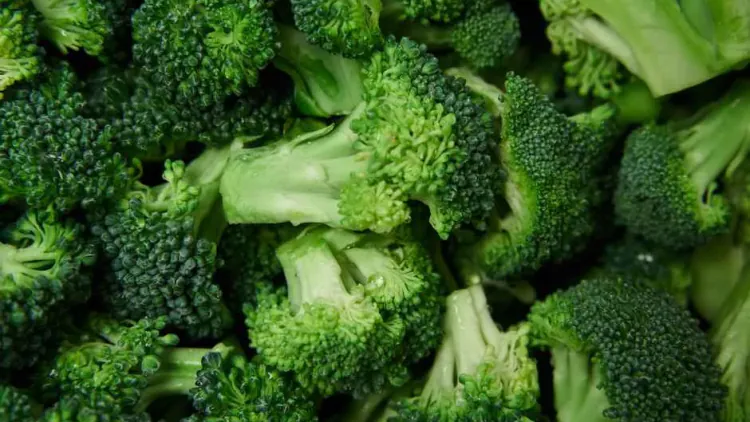
Here's something that surprises most people: broccoli doesn't exist in nature. You won't find it growing wild anywhere on earth. Every head of broccoli you've ever eaten is the product of thousands of years of deliberate human cultivation a patient, field-based experiment that transformed a scrubby coastal weed into one of the most nutritious vegetables in the food supply.
But "man-made" in the context of broccoli doesn't mean what most people think. It has nothing to do with genetic engineering, laboratory gene editing, or modern biotechnology. It's something far older and arguably more impressive.
Is Broccoli Man-Made?
Yes unequivocally. Broccoli was created through selective breeding, the same process that gave us wheat, corn, most domesticated fruits, and virtually every other modern crop. Ancient farmers observed natural variation in a wild plant, repeatedly selected individuals with the most desirable traits, saved their seeds, and grew those plants for the next generation. After hundreds of repetitions over many centuries, the result barely resembled the starting material.
This is artificial selection the same mechanism Darwin highlighted when explaining natural selection to his readers. The difference from nature is speed and human intent: natural selection is blind and takes millions of years; farmers directing selection can achieve dramatic transformation in decades or centuries.
Selective Breeding vs. Genetic Modification: Not the Same Thing
A lot of the confusion around broccoli being "man-made" comes from conflating two completely different processes:
Selective breeding (how broccoli was created): Farmers identify plants with naturally occurring favorable traits, prevent less desirable plants from reproducing, and cross-pollinate the best individuals. This works entirely within the species' existing gene pool no foreign DNA, no laboratory equipment, no gene editing. It's been the foundation of agriculture for roughly 10,000 years.
Genetic modification (GMO): Scientists isolate a specific gene often from a completely different species and insert it directly into the target organism's DNA using recombinant DNA techniques. This creates organisms with traits that would be biologically impossible through conventional breeding (pest-resistance genes from bacteria in crops, for example).
Broccoli is a textbook product of selective breeding. No commercially available broccoli has been genetically engineered using laboratory techniques. All varieties conventional and organic trace back to traditional cross-pollination and selection within the Brassica oleracea gene pool.
Where Broccoli Came From: The Origin Story
The ancestor of all broccoli is Brassica oleracea wild cabbage. This tough, bitter, leafy plant still grows on limestone cliffs along Mediterranean and Atlantic coastlines in Europe. It looks nothing like supermarket broccoli. It's scraggly, spindly, and frankly unimpressive.
Broccoli emerged in the Mediterranean basin, most likely in what is now Italy, during or before the Roman period. The name reflects this heritage: "broccoli" is the Italian plural of broccolo, meaning "the flowering top of a cabbage." Roman agricultural writers including Pliny the Elder described plants matching early broccoli in the 1st century CE cultivated specifically for their tender flowering shoots.
Timeline
- ~6th–1st century BCE: Early cultivation of wild cabbage in the Mediterranean for leaves and sprouts
- 1st century CE: Roman texts document plants with enlarged flowering heads resembling proto-broccoli
- Middle Ages–Renaissance: Italian farmers intensify selection for denser, more tender flower clusters
- 18th century: Broccoli spreads across Europe and reaches North America via Italian immigrants
- 20th–21st century: Modern plant breeding creates high-yielding, disease-resistant, uniform commercial varieties
Does Broccoli Grow Naturally in the Wild?
No. Modern broccoli requires continuous human management specific spacing, controlled pollination, soil fertility, pest management, and deliberate seed selection. Left to its own devices, broccoli would quickly revert toward a looser, less organized form more resembling its wild ancestor. The tight, compact dark-green crown on grocery store shelves does not occur in nature.
The Brassica Family: One Plant, Many Vegetables
The most striking evidence of what selective breeding can accomplish: broccoli, cauliflower, cabbage, kale, kohlrabi, and Brussels sprouts all come from the same ancestor Brassica oleracea. Each vegetable simply emphasizes a different part of the original plant through focused selection:
- Broccoli: enlarged, compact flower clusters
- Cauliflower: arrested flower development creating a solid white curd
- Cabbage: tightly layered terminal leaves
- Kale: large, loose, flavorful leaves
- Kohlrabi: swollen stem base
- Brussels sprouts: multiple small lateral leaf buds along the stem
Same species, six dramatically different vegetables. This is the power of directed selection.
Does Being Man-Made Make Broccoli Less Healthy?

No if anything, the opposite is true. The notion that "man-made = unhealthy" misunderstands what happened here. Selective breeding frequently enhances nutrition: farmers consistently favored plants with more edible tissue, higher nutrient density, and better flavor. That's what they were selecting for.
The broccoli that resulted from thousands of years of this process is extraordinarily nutritious: high in vitamins C and K, fiber, folate, potassium, and sulforaphane one of the most researched natural compounds for anti-inflammatory and potential cancer-protective effects. Far from being "artificial junk," broccoli is a highly optimized whole food that exists specifically because of how it was cultivated.
Common Myths Cleared Up
- Myth: Broccoli was invented in a laboratory. It was developed in open fields over centuries using seed selection. No lab equipment involved.
- Myth: Being man-made makes broccoli unnatural or unhealthy. Nearly every crop humans eat differs dramatically from its wild ancestor. The selective breeding process produced a real, whole food that happens to be exceptionally nutritious.
- Myth: Modern broccoli is GMO. No genetically engineered broccoli exists commercially. All varieties come from conventional breeding within the Brassica oleracea species.