Is Sushi Good for Cholesterol Levels? Benefits, Risks, and Best Choices
Sushi can be good for cholesterol when prepared with omega-3-rich fish like salmon and tuna — but fried rolls, heavy sauces, and excess soy sauce work against those benefits. Here's what helps, what hurts, and how to order smart.
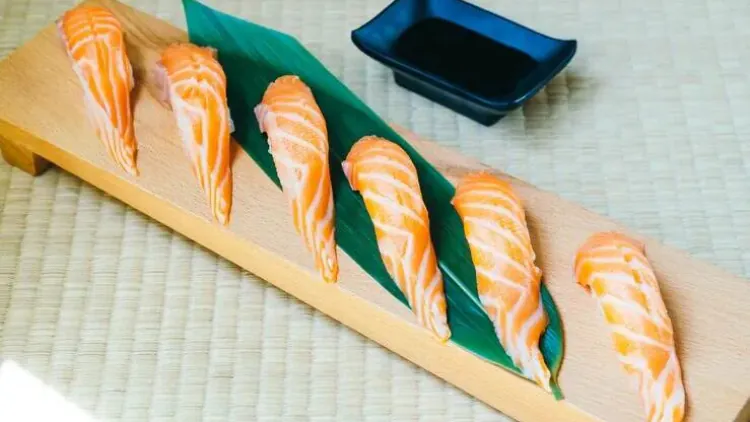
Sushi has a well-earned reputation as a relatively healthy restaurant option but "healthy" is a broad term, and for cholesterol specifically, the details matter. The right sushi choices can genuinely support better cholesterol levels. The wrong ones can work against them. The difference often comes down to which rolls you order and how you eat them.
Nutritional Profile: What's Actually in Sushi
Seafood: The Heart-Health Star
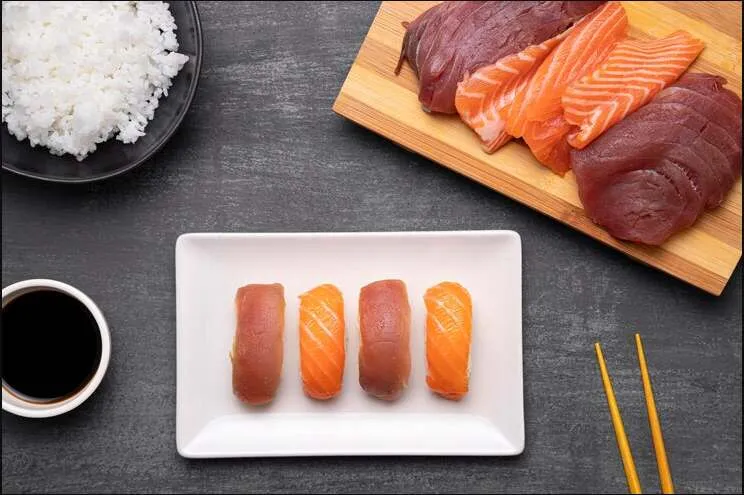
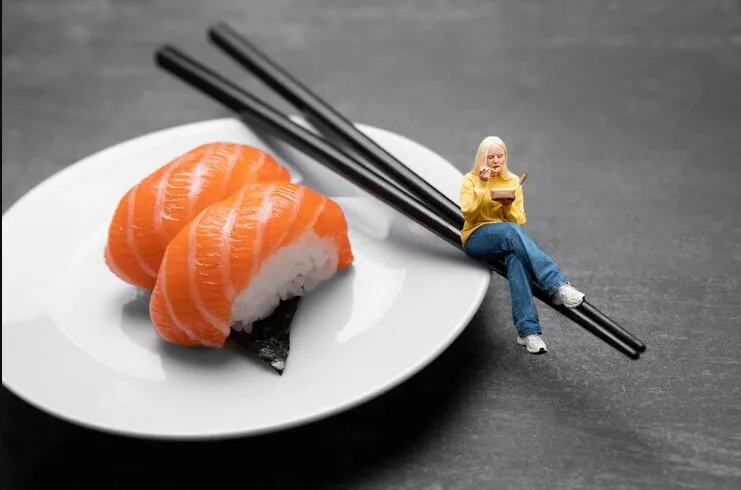
Fatty fish like salmon, tuna, and mackerel are the nutritional centerpiece of sushi. These provide substantial omega-3 fatty acids among the most well-documented dietary tools for improving cholesterol and cardiovascular health. Specifically, omega-3s help reduce LDL (bad) cholesterol, lower triglycerides, raise HDL (good) cholesterol, and reduce vascular inflammation.
Rice: Moderate Carbohydrate Component
Sushi rice adds carbohydrates and calories, but in the modest portions typical of traditional sushi, it's not a major concern. Brown rice substitutions, when available, add fiber that further supports cholesterol management. The portion control built into sushi's design (one or two pieces per serving) is an advantage over most Western carbohydrate-heavy dishes.
Nori (Seaweed): Underrated Nutrient Booster
The thin wrapper around maki rolls is surprisingly nutritious rich in iodine, calcium, magnesium, and soluble fiber. That soluble fiber binds to cholesterol in the digestive tract and helps remove it before absorption. It's a small amount per serving, but it adds to the overall heart-supportive profile.
Vegetables and Avocado
Cucumber, radish, and other vegetable fillings add vitamins, antioxidants, and fiber with minimal calories. Avocado is particularly valuable here its monounsaturated fats actively help reduce LDL while increasing HDL, directly supporting better cholesterol ratios.
Soy Sauce: The Sodium Issue
Traditional soy sauce is very high in sodium. Chronic high sodium raises blood pressure an independent cardiovascular risk factor that compounds the damage from elevated cholesterol. This is worth managing actively, especially if you are eating sushi regularly.
How Sushi Supports Healthy Cholesterol
The omega-3 mechanism is well-established in the research literature:
- Reduces LDL: Decreases circulating low-density lipoprotein, limiting material for arterial plaque formation
- Increases HDL: Promotes higher high-density lipoprotein, enhancing the body's natural cholesterol clearance
- Lowers triglycerides: Particularly potent at reducing this often-overlooked cardiovascular risk factor
- Anti-inflammatory effects: Decreases systemic inflammation that damages blood vessel walls and accelerates atherosclerosis
Multiple meta-analyses and clinical studies confirm that regular fatty fish consumption correlates with reduced LDL, increased HDL, lower triglycerides, and decreased rates of cardiovascular events. Sushi with salmon, tuna, mackerel, or other fatty fish delivers these omega-3s in a format that's also low in saturated fat which makes the combination particularly effective.
Where Sushi Can Work Against You
Fried Preparations
Tempura rolls, spider rolls, and anything with "crispy" in the name introduce significant amounts of saturated and sometimes trans fats. These additions increase LDL cholesterol and can negate the omega-3 benefits in the same meal. The batter absorbs cooking oil it's not a minor addition.
Creamy Sauces
Spicy mayo, dynamite sauce, eel sauce, and similar condiments add calories, saturated fat, and sodium. The signature "spicy tuna roll" often has more calories from the sauce than from the fish itself.
Sodium from Soy Sauce
A tablespoon of regular soy sauce contains roughly 900mg of sodium. Most people use significantly more. Reduced-sodium soy sauce (about 40% less) is a straightforward upgrade that meaningfully reduces the cardiovascular burden of a sushi meal.
How to Order Sushi for Better Cholesterol
The ordering strategy is actually simple:
- Best choices: Sashimi (pure fish, no rice), nigiri with salmon or tuna, simple rolls with fatty fish and vegetables, edamame, miso soup
- Good choices: Avocado rolls, cucumber rolls, brown rice options when available, hand rolls with minimal rice
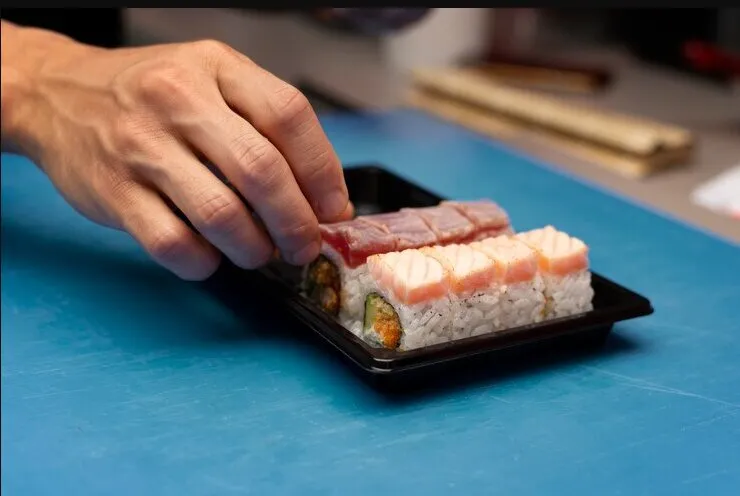
- Limit: Tempura rolls, rolls with spicy mayo or heavy sauce, anything described as "crunchy" or "crispy"
- Manage sodium: Use reduced-sodium soy sauce, request sauce on the side, skip additional salt
Eating sushi 1–3 times per week as part of a balanced diet that's otherwise low in saturated fat and processed foods is consistent with most heart-healthy dietary guidelines. The Mediterranean-style diet which regularly includes fatty fish is among the most extensively validated approaches for long-term cardiovascular health.
So, The Final Word
Sushi centered on fatty fish, vegetables, and seaweed is genuinely good for cholesterol. The omega-3s from salmon and tuna are among the most powerful dietary tools available for improving lipid profiles reducing LDL, lowering triglycerides, and raising HDL simultaneously.
The version that works against cholesterol is the American fusion style with fried elements, heavy sauces, large rice portions, and unlimited soy sauce. That's a different nutritional equation entirely. The traditional preparation wins.