What Is Coconut Water? A Complete Beginner’s Guide
Coconut water is the clear liquid found inside young green coconuts — not to be confused with coconut milk. Learn how it forms, what it tastes like, why it turns pink, how to open a coconut at home, and what to look for when buying packaged versions.
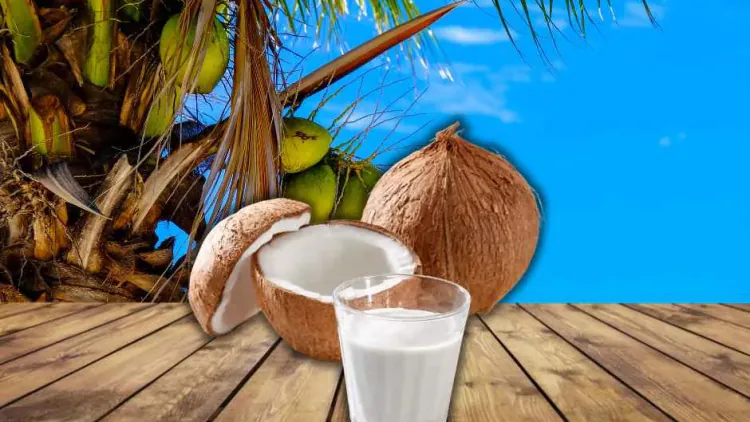
Coconut water has gone from a tropical obscurity to a mainstream wellness drink and for good reason. Beyond the clever marketing, the science is genuinely interesting: this liquid forms through a sophisticated natural filtration process inside the fruit, ends up with an electrolyte profile remarkably similar to human blood plasma, and has been used in emergency medical situations when nothing else was available.
This guide covers what coconut water actually is, how it forms, what it tastes like, why some bottles turn pink, and how to get it fresh at home.
What Is Coconut Water?
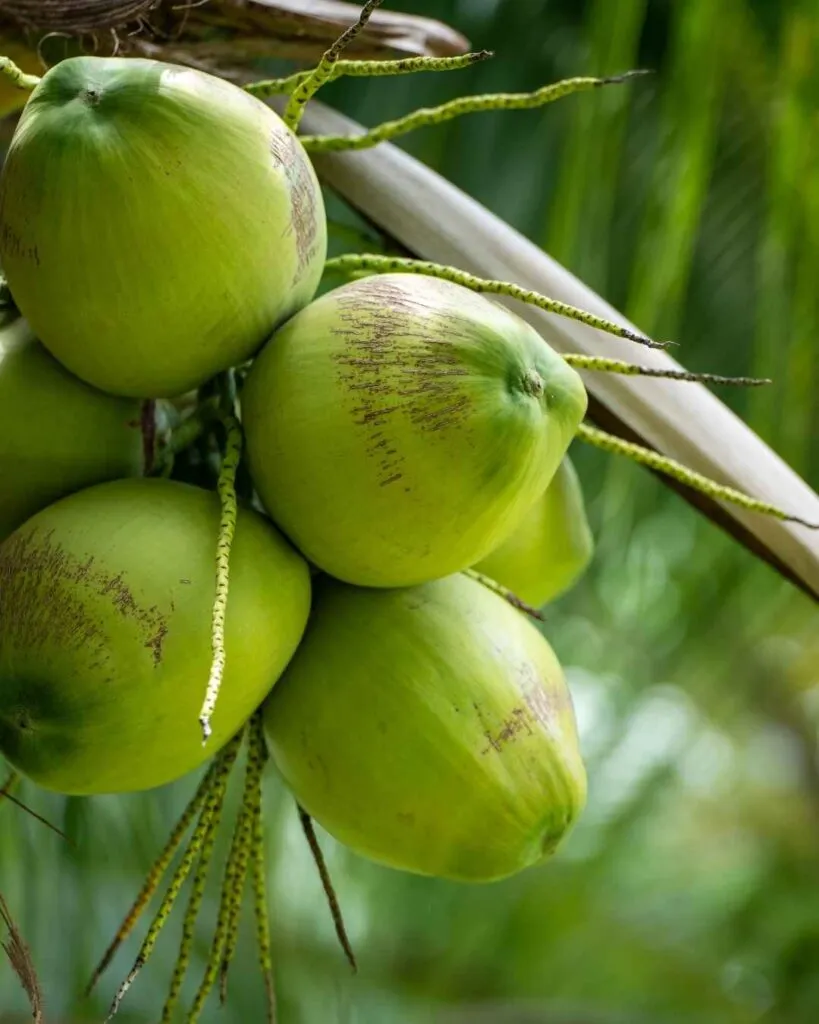
Coconut water is the clear, lightly sweet liquid found in the center of young green coconuts. It's not sap and it's not coconut milk it's the liquid endosperm, the nutrient-rich fluid that nourishes the developing seed before the white flesh (copra) forms.
The highest quality and greatest volume come from coconuts harvested between six and nine months of age. After that point, the liquid gradually converts into the solid white meat, and what remains becomes less sweet and more savory.
Coconut Water vs. Coconut Milk
These two are regularly confused but are completely different:
- Coconut water: Clear, low-calorie, high in electrolytes (especially potassium). Found naturally inside young coconuts. This is the drink.
- Coconut milk: Thick, opaque, high in saturated fat. Made by grating mature coconut flesh, soaking it in hot water, and straining it. Used in curries, desserts, and cooking not for hydration.
How Does Water Get Inside a Coconut?
The process is genuinely elegant. Coconut palms have extensive fibrous root networks that act as a selective filter drawing water and minerals from the soil while blocking larger contaminants. Water travels up through the tree's vascular system via capillary action and root pressure, eventually arriving at the developing fruit through the stem.
Inside the sealed coconut, this filtered, mineral-rich water accumulates as liquid endosperm. The sealed environment keeps it completely sterile no external bacteria or contaminants can enter through the tough outer layers. This natural sterility is why coconut water was used as emergency intravenous fluid by medical teams in remote areas during World War II. Its electrolyte balance closely mirrors human blood plasma.
Why Only Young Coconuts Have Abundant Water
- Young (green) stage: The cavity is filled with liquid endosperm sweet, clear, and packed with electrolytes. This is when it's best for drinking.
- Mature (brown) stage: Enzymes convert the liquid into solid meat over time. Remaining water is much less sweet, sometimes slightly sour, and reduced in volume. Mature coconuts are harvested primarily for their flesh, oil, and milk.
What Does Coconut Water Taste Like?
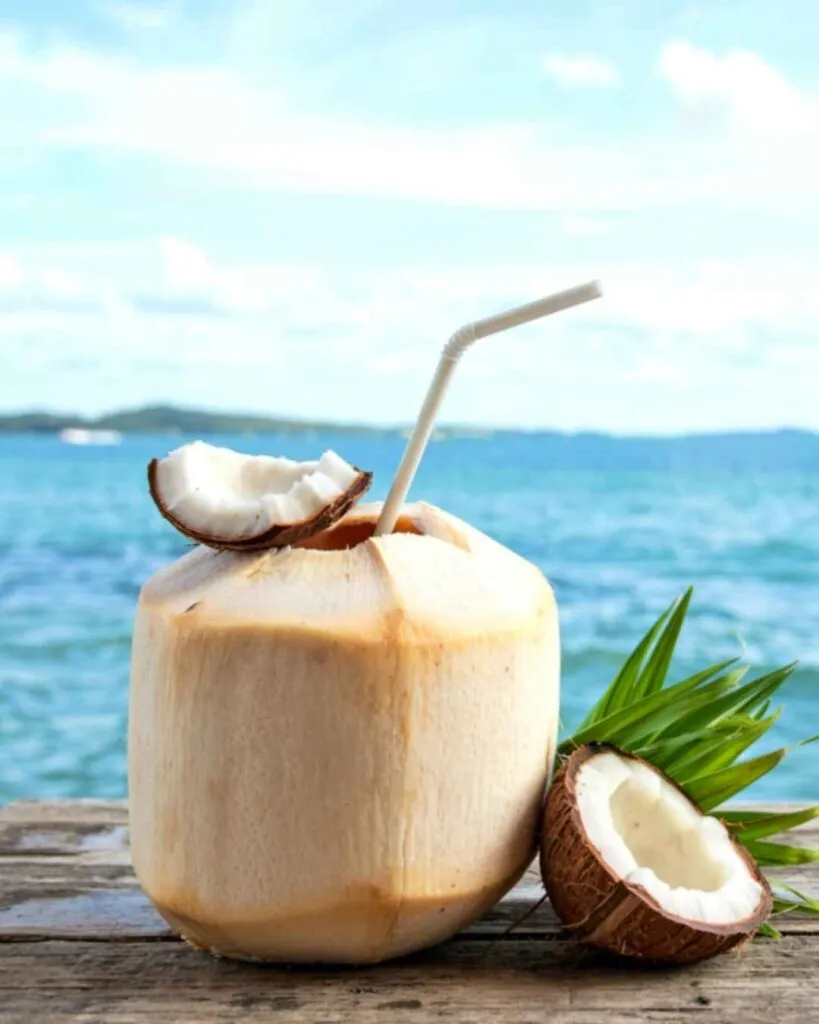
Fresh coconut water from a young green coconut tastes light, clean, and gently sweet nothing like the rich creaminess of coconut milk. The flavor profile includes:
- Mild sweetness: From natural glucose and fructose. Never syrupy or heavy more like a very light, clean fruit water.
- Subtle nuttiness: A faint hint of coconut in the background.
- Very slight salinity: The electrolytes give it a just-barely-there mineral quality that makes it unusually refreshing.
The specific flavor varies by coconut variety, growing region, and soil composition. Thai Nam Hom coconuts are particularly prized for their sweeter, more aromatic profile. Coastal soils can impart a slightly more pronounced mineral character.
Why Packaged Coconut Water Sometimes Tastes Off
If you've tried a carton and been underwhelmed, a few things may explain it:
- Pasteurization: Heat treatment for shelf stability can dull delicate flavors and create a slightly cooked or sour note.
- Fermentation: If packaging is compromised, natural sugars ferment into alcohol and acetic acid resulting in a vinegary taste. Discard immediately if you notice this.
- Added ingredients: Some brands add ascorbic acid (vitamin C) as a preservative, which can add tartness. Others add sweeteners to compensate for using less-optimal mature coconuts.
Fresh from the fruit is always superior. The volatile aromatic compounds, natural enzymes, and subtle tropical fragrance begin dissipating the moment air hits the liquid.
Why Does Coconut Water Turn Pink?
Pink coconut water isn't spoiled it's actually often a sign of quality. Here's what's happening chemically:
Polyphenol Oxidation
Coconut water naturally contains phenolic compounds (antioxidants) that are colorless in their original form. When exposed to oxygen and light, an enzyme called polyphenol oxidase (PPO) reacts with these compounds and produces pink-to-rose pigments called quinones. The more air exposure and light contact, the deeper the color develops.
Young coconuts have higher levels of PPO and phenolic compounds than mature ones, which is why fresher, less-processed products are more likely to turn pink.
Why Premium Brands Embrace It
For high-end brands using cold processing (high-pressure processing or cold micro-filtration), pinking is a feature, not a bug. It confirms the product was minimally processed heat pasteurization deactivates PPO and keeps the liquid clear, but also destroys some of the beneficial compounds.
When Pink Actually Does Indicate Spoilage
Natural pinking is gradual, odorless, and doesn't change texture. Discard if you notice:
- Sour, vinegary, or off smell
- Fizzing or carbonation that wasn't there before
- Cloudiness, sliminess, or unusual texture changes
How to Open a Young Coconut at Home
Select a coconut that feels heavy and sloshes with liquid when shaken. You'll need a heavy cleaver or large chef's knife and a stable, non-slip cutting board.
- Place the coconut upright. Hold it firmly with your non-dominant hand, keeping fingers clear of the blade path.
- Find the three-sided pointed top where the coconut attached to the tree this is the softest entry point.
- Make three or four firm, angled cuts around the perimeter of the cap.
- Deliver one clean chop to the center of the scored area to remove the cap.
- Tilt over a bowl and pour. Strain through a fine sieve if needed to catch any small debris.
- Scoop out the soft jelly-like flesh with a spoon it's delicious and entirely edible.
Ways to Enjoy Coconut Water
Coconut water is also excellent as a post-workout hydration drink, a base for smoothies, a mixer in cocktails (works particularly well with rum or vodka and lime), and as a replacement for water when cooking rice or oatmeal for a subtle tropical sweetness.
Buying Guide: What to Look For
- Best option: Fresh young coconuts from Asian grocery stores or specialty markets. Consume immediately after opening.
- Best packaged option: Cold-pressed or HPP (high-pressure processed) coconut water check that the label says 100% coconut water with no added sugar or flavorings.
- Acceptable: Pasteurized with no additives. Will taste slightly different from fresh but is nutritionally sound.
- Avoid: Products with added sugar, "coconut water drink" labeling (diluted), or anything with preservatives other than ascorbic acid.