Is Popcorn Gluten-Free? Safe Brands, Movie Popcorn, Pretzels, Fritos, Potatoes & More
Plain popcorn is naturally gluten-free — it's made from corn, which contains no gluten. The real risks come from flavored varieties, shared equipment, and movie theater contamination. Here's what to look for, which brands are safe, and what to avoid.

If you are managing celiac disease or gluten sensitivity, snacking can feel like navigating a minefield. Popcorn looks innocent enough it's just corn, right? But once you factor in flavored coatings, shared manufacturing equipment, and whatever mystery substance goes on movie theater popcorn, the question gets more complicated.
Here's the direct answer: plain popcorn kernels are naturally gluten-free. Corn doesn't contain gluten. The proteins in wheat (gliadin and glutenin) that trigger celiac reactions are simply not present in corn or corn-derived products. Whether a finished bag of popcorn is safe, though, depends entirely on what gets added to it and how it's made.

Popcorn and Gluten: The Quick Reference
Why Plain Popcorn Is Naturally Gluten-Free
Popcorn comes from Zea mays everta a specific variety of corn. Corn is a naturally gluten-free grain that contains no wheat, barley, or rye proteins. Popping the kernel doesn't change that. Air-popped popcorn with no added seasonings or coatings is about as safe as it gets for anyone on a gluten-free diet.
The concern arises exclusively from:
- Flavorings and seasonings that may contain wheat-derived ingredients or malt (barley-derived)
- Cross-contamination during manufacturing on shared equipment that also processes gluten-containing products
- Serving environments like movie theaters where multiple snacks share equipment and airspace
Is Popcorn Actually Healthy?
| Popcorn Type | Gluten-Free? | Notes |
| Plain kernels | ✔ Yes | Naturally gluten-free whole grain. |
| Microwave popcorn | ✔ Usually | Always verify labels for seasonings. |
| Movie popcorn | ✔ / ✘ Depends | High contamination risk from shared equipment and toppings. |
| Buttered popcorn | ✔ / ✘ Depends | Artificial butter may include gluten carriers. |
| Caramel popcorn | ✔ / ✘ Often not | Syrups or malt flavorings commonly contain gluten. |
| Cheese popcorn | ✔ / ✘ Depends | Cheese powders sometimes use gluten as anti-caking agents. |
When prepared simply, popcorn is genuinely nutritious a whole grain with real fiber content, polyphenol antioxidants, and a low calorie count per cup. The nutritional story changes dramatically based on how you make it:
Popcorn Type
Gluten-Free?
Notes
Plain kernels
✔ Yes
Naturally gluten-free whole grain.
Microwave popcorn
✔ Usually
Always verify labels for seasonings.
Movie popcorn
✔ / ✘ Depends
High contamination risk from shared equipment and toppings.
Buttered popcorn
✔ / ✘ Depends
Artificial butter may include gluten carriers.
Caramel popcorn
✔ / ✘ Often not
Syrups or malt flavorings commonly contain gluten.
Cheese popcorn
✔ / ✘ Depends
Cheese powders sometimes use gluten as anti-caking agents.
Air-popped popcorn is one of the highest-volume, lowest-calorie snacks you can eat 3 cups for around 90 calories. Theater popcorn, by contrast, is a completely different product that happens to involve corn.
Is Buttered Popcorn Gluten-Free?
Real, unsalted butter is naturally gluten-free it's just cream. If you are melting actual butter at home and pouring it over plain popcorn, you are safe.
Commercial "butter flavor" is where things get complicated. Artificial butter oils and flavor packets used in theater-style popcorn often contain:
- Wheat-derived starches used as carriers
- "Natural and artificial flavors" with undisclosed gluten ingredients
- Anti-caking agents that may include gluten sources
Without explicit gluten-free labeling or certification, commercial butter-flavored popcorn should be treated with caution if you have celiac disease.
Is Movie Theater Popcorn Gluten-Free?
This is where most experts say: just skip it if you have celiac. Movie theater environments create essentially unavoidable cross-contamination:
- Shared poppers, scoops, and seasoning dispensers that contact pretzels, hot dogs, and other gluten-containing snacks
- Flavor powders like Flavacol that may be processed in shared facilities
- Airborne particles from nearby gluten-containing foods
Even if the popcorn itself starts as plain corn, the serving environment introduces enough contamination risk that it's genuinely not worth it for someone managing celiac disease.
Is Microwave Popcorn Gluten-Free?
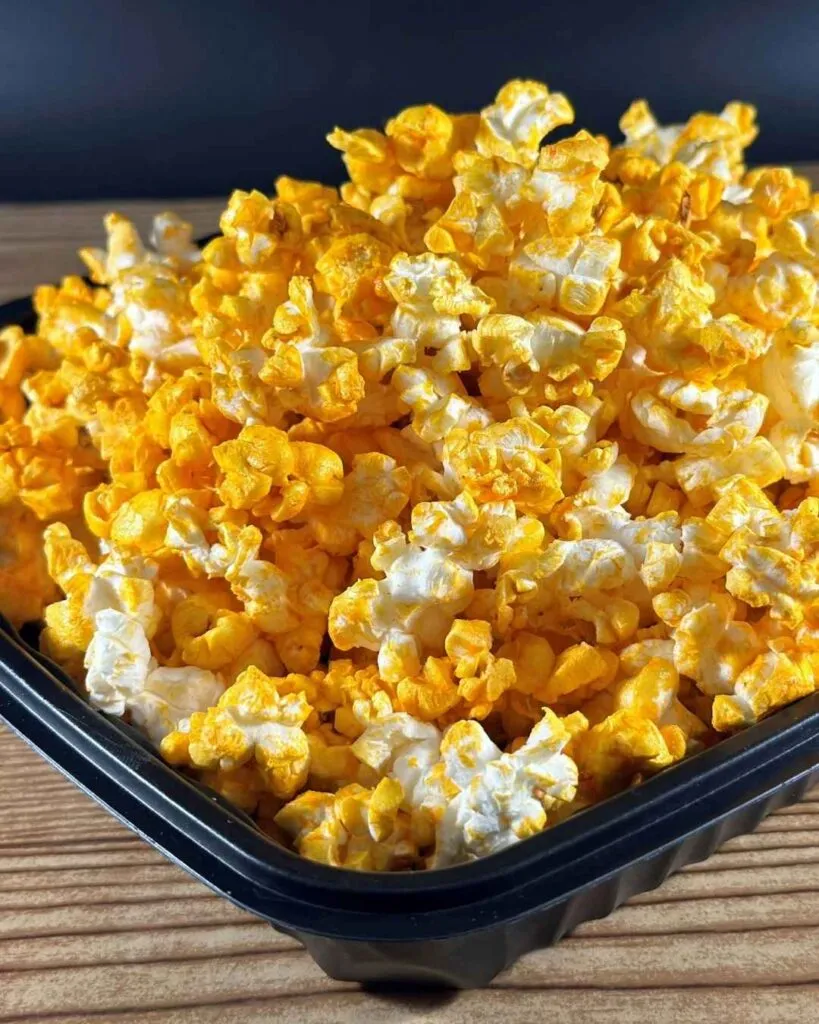
Many microwave popcorn varieties are gluten-free by ingredients, but fewer carry certification. The kernels and bag are not the issue it's the flavoring packets that require scrutiny.
Watch for:
- Malt flavoring (derived from barley contains gluten)
- Wheat starch in seasoning coatings
- "May contain wheat" warnings on shared-facility products
Brands like Orville Redenbacher's and Pop Secret frequently list their basic flavors as gluten-free by ingredients, but they don't universally carry third-party certification. For strict celiac management, certified products are more reliable.
Brand Guide: Gluten-Free Popcorn
For the strictest safety needs, SkinnyPop and Angie's BOOMCHICKAPOP are the most commonly recommended certified options. They are widely available, affordable, and genuinely safe for celiac.
What About "Corn Gluten"?
You'll sometimes see the term "corn gluten" in agricultural or industrial contexts. This causes unnecessary confusion. Corn does contain its own storage proteins (zein), which are colloquially called "corn gluten" in non-food settings. These proteins are completely structurally different from wheat gluten (gliadin and glutenin) and do not trigger celiac reactions. Someone with celiac disease can safely eat corn including popcorn without concern about "corn gluten."
Quick Checklist: Safe Popcorn for Celiac
- ✔ Plain kernels popped at home in oil or air-popped
- ✔ Certified gluten-free packaged brands (SkinnyPop, Angie's BOOMCHICKAPOP)
- ✔ Simple seasonings you add yourself: real butter, salt, nutritional yeast, spices
- ✘ Theater popcorn (shared equipment, flavored oils)
- ✘ Caramel or cheese varieties without certification (risk of malt flavoring)
- ✘ Garrett Popcorn and similar premium chains (high cross-contact risk)