How to Cook Broccoli: 15 Easy Methods (Steaming, Boiling, Roasting & More)
15 methods for cooking broccoli — steaming, roasting, boiling, air frying, stir-frying, microwaving, blanching, and more. Learn which method preserves the most nutrients, how to avoid overcooking, and the simple trick that doubles sulforaphane content.
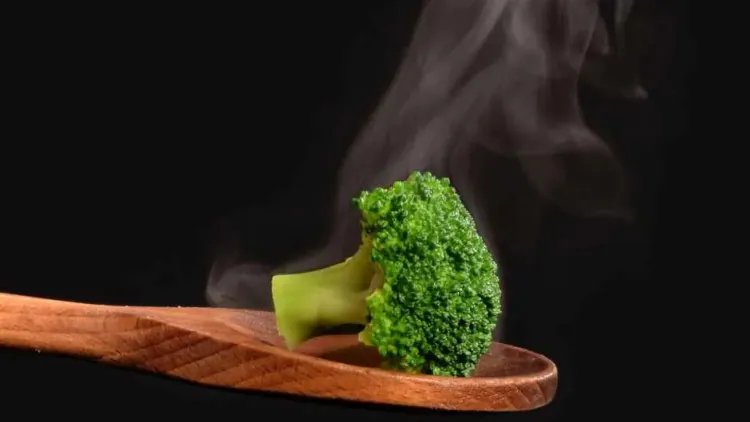
Broccoli is one of the most forgiving vegetables to cook it's genuinely hard to mess up completely. But there's a big difference between "edible" and "actually good," and a few small technique adjustments make the difference. This guide covers every practical cooking method, with specific times, temperatures, and the key details that make each one work well.
One thing worth knowing before you start: broccoli contains an enzyme called myrosinase that converts glucoraphanin (a compound in the raw vegetable) into sulforaphane one of the most potent natural anti-inflammatory and detox compounds in the food supply. Chopping broccoli and letting it rest for 40 minutes before cooking maximizes sulforaphane formation before heat deactivates the enzyme. It's a small habit with a meaningful payoff.
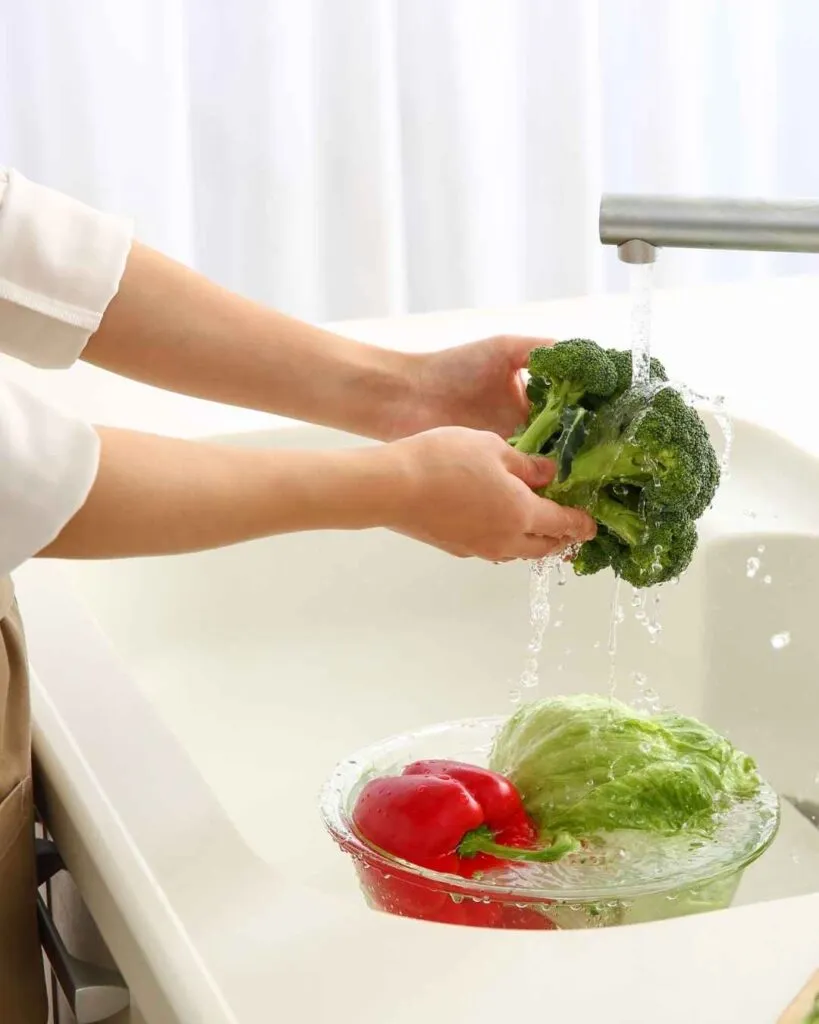
1. Steaming (Best Overall Method)
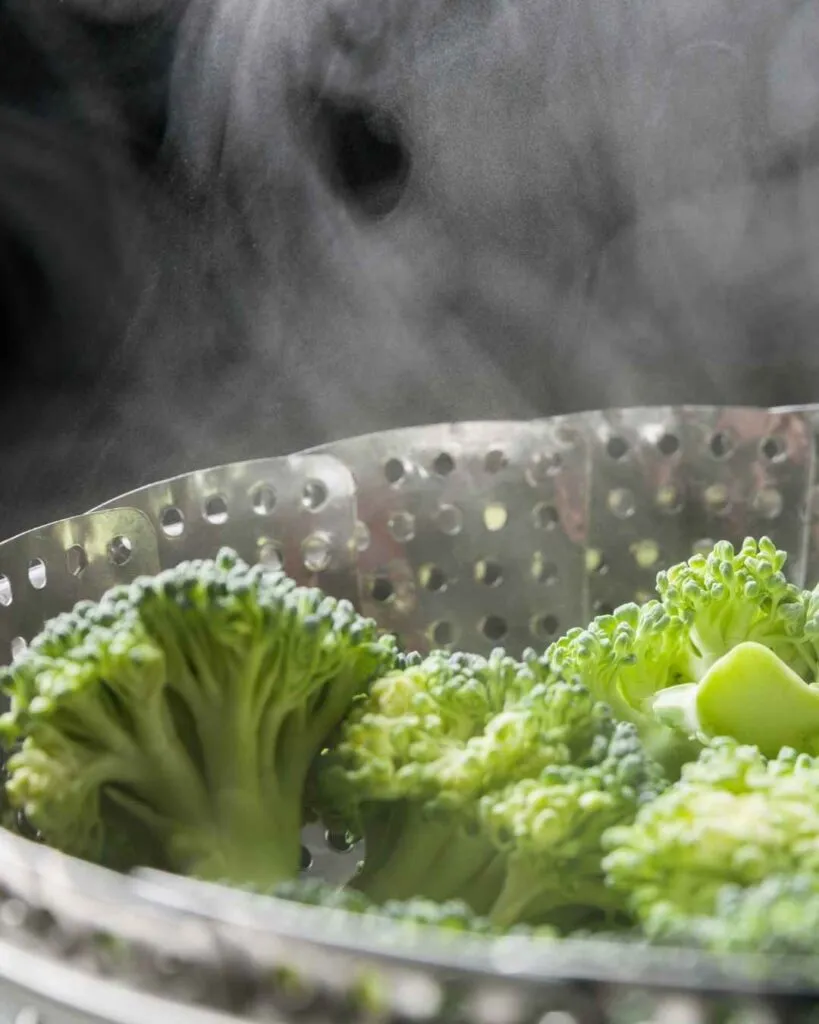
Steaming is the nutritionist's recommendation for a reason it preserves vitamin C and sulforaphane potential better than boiling, and it cooks evenly without added fat. The result is bright green, tender-crisp florets that still have some structure.
Stovetop steamer: Bring about an inch of water to a boil in a pot with a steamer basket. Add broccoli, cover, steam for 4–6 minutes. Test with a fork you want resistance, not mushiness. Season immediately with salt, pepper, and lemon or butter.
Microwave steaming: Place florets in a microwave-safe bowl, add 2–3 tablespoons of water, cover tightly with a plate or plastic wrap. Microwave on high for 3–4 minutes. Quick, efficient, and surprisingly effective at preserving nutrients.
Instant Pot steaming: Add 1 cup water to the pot, place florets on the trivet, pressure cook on high for 0 minutes (the time it takes to reach pressure is enough). Quick release immediately. Perfect texture every time.
2. Roasting (Best for Flavor)
Roasting transforms broccoli. High dry heat caramelizes the natural sugars, creating crispy charred edges and a nutty depth that steaming or boiling can never produce. If you have broccoli skeptics in your household, roasted broccoli is your best argument.
Method: Preheat oven to 425°F (220°C). Toss florets with olive oil, salt, and pepper coat well. Spread in a single layer on a sheet pan. Don't crowd them (crowding causes steaming, not roasting). Roast 20–25 minutes, flipping once halfway through, until edges are deep golden-brown and slightly charred.
Variations: Add garlic in the last 5 minutes (earlier and it burns). Finish with grated Parmesan in the last 3–4 minutes. Toss with fresh lemon juice and red pepper flakes right after removing from the oven.
3. Air Frying
Air frying gives you the crispy results of roasting in about half the time. The concentrated hot air creates genuinely crunchy floret edges without the oven preheating wait.
Method: Toss florets with a light coating of oil (less than for oven roasting air fryers don't need much). Season with salt and pepper. Air fry at 375°F (190°C) for 10–12 minutes, shaking the basket halfway through. For extra crispiness, pat the florets very dry before oiling and add a light dusting of cornstarch.
4. Boiling
Boiling is the most common method and unfortunately also the easiest to do badly. The main issue: water-soluble vitamins (C, folate, some B vitamins) leach into the cooking water. If you discard the water, you are losing a meaningful portion of those nutrients.
Method: Bring a large pot of well-salted water to a rolling boil. Add florets and cook 2–3 minutes for crisp-tender, up to 4–5 minutes if you want softer texture. Drain immediately. Do not cover during cooking covering traps gases that can turn broccoli bitter and olive-green. Season right away.
If you do boil: Use the cooking water in soup or as a vegetable stock base it holds the vitamins you cooked out.
5. Blanching and Shocking
Blanching briefly boiling then plunging into ice water sets a vivid bright green color and stops cooking instantly. It's the technique used for meal prep, salads, crudités, and any situation where you want cooked broccoli that stays green and firm for days.
Method: Boil salted water. Add florets, cook exactly 2 minutes. Transfer immediately to a bowl of ice water (equal parts ice and cold water). Let sit 2 minutes, drain, pat dry. Refrigerates beautifully for 4–5 days without losing color.
6. Stir-Frying
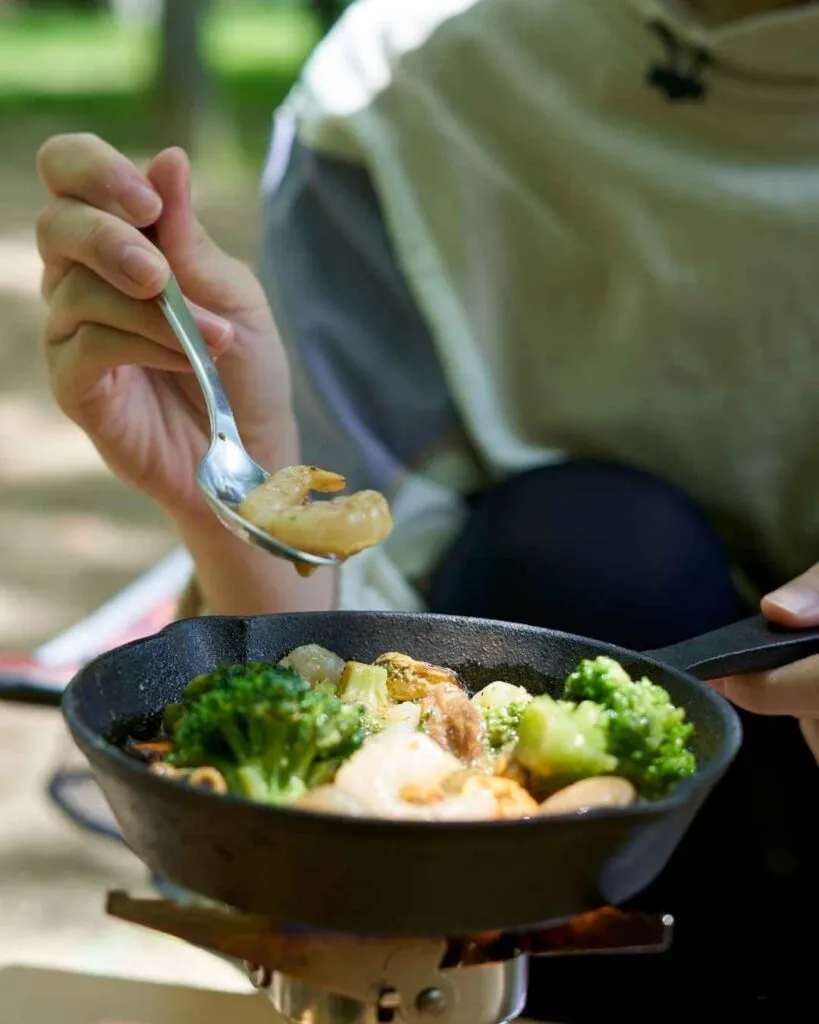
Stir-frying is fast, high-heat cooking that produces tender-crisp broccoli with excellent sauce absorption. The key is having everything prepped before the pan gets hot stir-frying happens fast and waits for no one.
Method: Heat a wok or large skillet over high heat until smoking. Add a high-smoke-point oil (avocado, grapeseed, vegetable). Add broccoli and toss constantly for 2–3 minutes. Push to the side, add aromatics (garlic, ginger), then toss everything together with sauce. Add 2 tablespoons of water or broth and cover briefly to steam-finish if you want softer texture.
7. Sautéing
Lower heat than stir-frying, more forgiving, and great for everyday cooking when you want broccoli that's cooked through with some browning.
Method: Heat olive oil or butter over medium-high. Add florets, cook 5–6 minutes stirring occasionally until browning appears. Add a splash of water or broth, cover for 1–2 minutes to finish with steam. Season with garlic, lemon, or red pepper flakes.
8. Grilling
Often overlooked but genuinely excellent. Grilled broccoli gets beautiful char marks and a smoky flavor that works particularly well with bold seasonings or served alongside grilled proteins.
Method: Cut broccoli into large, flat-sided pieces (steaks or large florets). Blanch briefly or microwave for 2 minutes first (softens slightly so it doesn't burn before cooking through). Brush generously with oil. Grill over medium-high direct heat, 3–4 minutes per side until charred. Finish with lemon juice, parmesan, or tahini.
9–15: More Methods
9. Slow Cooker: Add florets in the last 30–45 minutes of any dish any longer and they turn gray and mushy. Works well in soups and casseroles where it finishes alongside other ingredients.
10. Instant Pot (Soup/Sauté): Use the sauté function for a quick stir-fry in the pot, or add at the very end of pressure cooking dishes. Zero minutes high pressure with quick release = perfectly cooked.
11. Sous Vide: 185°F (85°C) for 20–30 minutes. Produces extremely precise, consistent texture with full nutrient retention. Worth trying if you have the equipment.
12. Raw (No Cooking): Highest vitamin C and sulforaphane potential. Slice thin for slaws, chop into small pieces for salads, or serve as crudités with dips. Chew thoroughly this maximizes sulforaphane enzyme activity. Some people find raw broccoli harder to digest; if that's you, lightly blanch or steam instead.
13. Pan-Searing (Broccoli Steaks): Slice a whole broccoli head through the stem into thick "steaks." Sear in a hot cast-iron pan with plenty of oil, 4–5 minutes per side. Dramatic presentation and excellent flavor.
14. Broiling: Similar results to roasting, faster. Place on a sheet pan close to the broiler (about 6 inches), 5–7 minutes. Watch closely the line between charred and burnt is narrow under a broiler.
15. Freezing and Reheating: Blanch first (2 minutes), shock in ice water, dry thoroughly, freeze in a single layer before bagging. Reheat directly from frozen in a hot oven or stir-fry bypasses the mushy texture that comes from thawing.
Key Tips to Get Right Every Time
- Chop 40 minutes ahead: If sulforaphane content matters to you (it should it's one of the most researched natural compounds for inflammation and detox), chop your broccoli and leave it at room temperature for 40 minutes before any heat exposure.
- Don't overcrowd the pan: Whether roasting or sautéing, crowding prevents browning and causes steaming instead. Use two pans if needed.
- Season properly: Broccoli needs salt, acid (lemon, vinegar), and fat (olive oil, butter) to taste its best. Undersalted broccoli is always disappointing.
- Watch the color: Bright, vivid green = properly cooked. Dull olive green = overcooked and nutrient-depleted. Pull it before that point.
- Don't cover when boiling: Covering traps sulfur gases that cause bitterness and color loss.