How to Make Hand Sanitizer at Home (Spray, Gel, Kids-Safe & Slime) – Complete DIY Guide
Step-by-step instructions for making effective hand sanitizer at home — gel, spray, and kids-friendly versions. Includes exact alcohol ratios, safe ingredient substitutes, what to avoid, and how to store it properly.
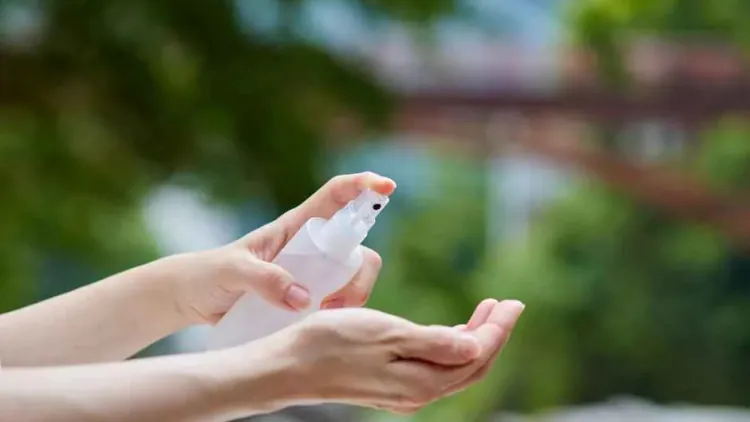
Soap and water remains the gold standard for hand hygiene, but hand sanitizer is a practical backup when you are away from a sink. Making it at home lets you control the ingredients, customize the scent, and keep your household stocked without depending on store availability.
The critical principle before anything else: effectiveness depends entirely on alcohol concentration. Both the WHO and CDC require a minimum of 60% alcohol content in the final product to reliably inactivate most viruses and bacteria. Get this wrong and you have something that smells nice but doesn't actually sanitize.
Important note: Homemade sanitizer is not a substitute for medical-grade commercial products or thorough soap-and-water handwashing. Always store safely out of reach of children and never ingest any alcohol-based product.
Before You Start: Key Principles
- Use only 91–99% isopropyl alcohol or ethanol (ethyl alcohol). Lower concentrations (like the commonly sold 70% rubbing alcohol) will drop the final product below the effective threshold when mixed with other ingredients.
- Never use methanol, denatured alcohol, or industrial alcohol these are toxic and have caused serious harm when used in hand sanitizer.
- Measure precisely. A small error in the alcohol-to-additive ratio can push the final concentration below 60%, making the product ineffective.
- Work in a well-ventilated area and keep all materials away from heat sources and open flames.
Basic Hand Sanitizer Gel Recipe
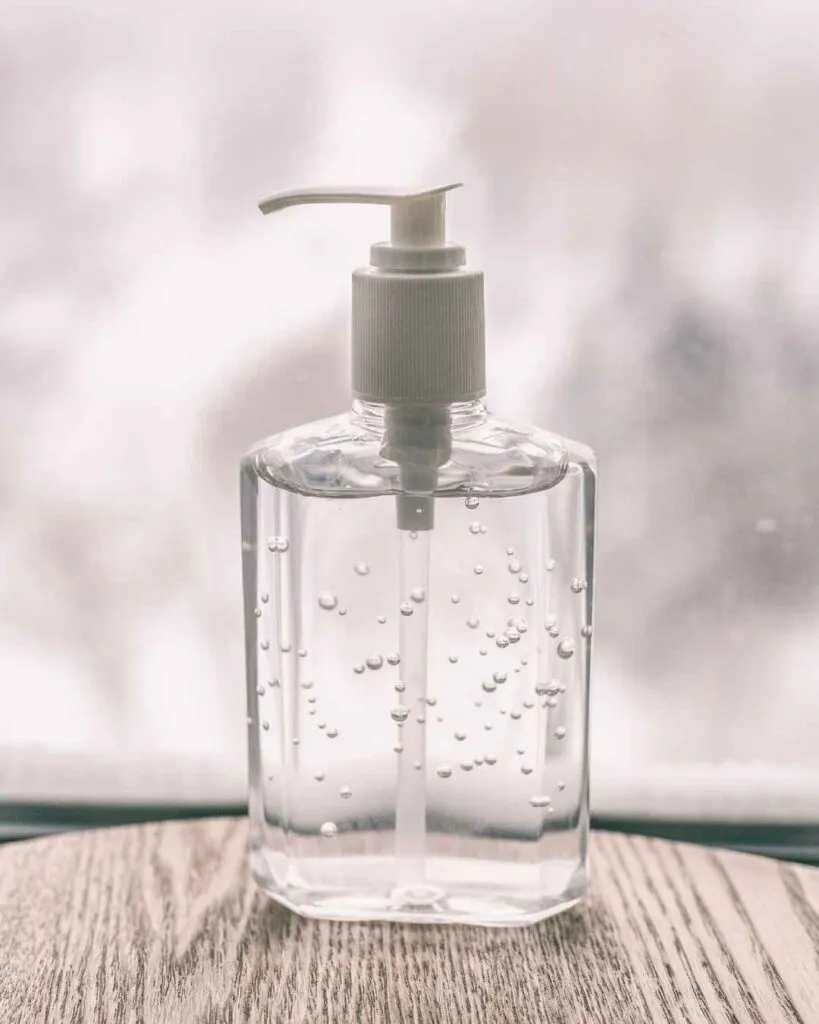
This recipe produces a thick, moisturizing gel very similar to commercial sanitizers. The aloe vera thickens the mixture and helps prevent the alcohol from drying out your skin.
Ingredients (makes approximately 1 cup):
- 2/3 cup (160 ml) 91% or 99% isopropyl or ethyl alcohol
- 1/3 cup (80 ml) 100% pure aloe vera gel (no added alcohol or fragrance)
- 8–10 drops essential oil (optional: lavender, tea tree, peppermint, or lemon)
Instructions:
- Measure both ingredients carefully use a measuring cup, not eyeballing.
- Pour alcohol into a clean mixing bowl.
- Add aloe vera gel directly into the alcohol.
- Add essential oils if using.
- Stir gently and thoroughly until completely smooth. Avoid vigorous whisking (it creates excess bubbles).
- Transfer to clean pump or squeeze bottles using a funnel.
- Label clearly with date and contents. Store in a cool, dark location away from heat.
Usage: Apply a coin-sized amount, rub thoroughly over all surfaces of both hands until dry about 20–30 seconds.
Hand Sanitizer Spray Recipe
The spray version is lighter, faster-drying, and also works well for disinfecting surfaces. No aloe is needed, which simplifies the formula.
Ratio (using 91% isopropyl alcohol):
- 3 parts 91% isopropyl alcohol
- 1 part distilled or cooled boiled water
Example batch (makes approximately 1 cup):
- ¾ cup (180 ml) 91% isopropyl alcohol
- ¼ cup (60 ml) distilled water
- 10–15 drops essential oil (optional)
Instructions:
- Combine alcohol and water in a clean spray bottle.
- Add essential oils if using.
- Shake gently to mix.
- Spray generously on hands and rub until dry.
Alternatives to Aloe Vera
If aloe vera gel is unavailable, too sticky, or causes skin sensitivity, these substitutes work:
- Vegetable glycerin: Add ½–1 teaspoon per cup of alcohol. Provides moisturizing without adding significant thickness.
- Witch hazel: Substitute for water in the spray formula. Gentle, mildly astringent, and readily available.
- Xanthan gum or guar gum: A tiny pinch (⅛ teaspoon) whisked into the alcohol creates a light gel texture. Use sparingly a little goes a long way.
Important: always replace the volume of any omitted ingredient with another safe liquid to maintain the correct alcohol concentration. Don't just remove the aloe without adding anything.
Kid-Friendly Hand Sanitizer
Safety by Age
- Under 2 years: Avoid alcohol-based sanitizer entirely. Use soap and water or fragrance-free baby wipes.
- Ages 2 and up: Safe in small amounts with close adult supervision. Never leave bottles accessible alcohol ingestion is a serious medical emergency.
Formulas Kids Will Actually Use
Use the standard 2:1 alcohol-to-aloe ratio (maintains 60%+ alcohol content), then customize for appeal:
- Child-friendly scents: orange, vanilla, berry, or chamomile essential oils (3–5 drops per batch)
- A single small drop of food coloring for visual fun
- Small pump bottles that are easy for little hands to use
Store in clearly labeled, child-resistant containers in locations children cannot access unsupervised.
Alcohol-Free Sanitizer (Not a True Sanitizer)
Products without alcohol cannot reliably kill viruses. Alcohol-free formulas act as gentle hand cleansers, not sanitizers. They are appropriate for routine freshening but not for situations where actual disinfection matters.
If you want to make one anyway (for sensitive skin or fragrance purposes):
- Base: witch hazel + distilled water
- Add a few drops of tea tree oil or lavender oil (natural antimicrobial properties)
- Use as a light refreshing rinse, not a replacement for soap or alcohol-based sanitizer
Storage and Shelf Life
- Store in sealed containers in a cool, dark place alcohol evaporates over time if exposed to heat or left open
- Label each bottle with the date made
- Shelf life: approximately 3–6 months at optimal potency before significant alcohol evaporation occurs
- Keep away from heat sources, open flames, and direct sunlight
- Never store in food or beverage containers
Quick Reference: When to Use What
- Best option always: Soap and water for 20+ seconds
- When no sink is available: Alcohol-based hand sanitizer (60%+ alcohol content)
- For kids under 2: Fragrance-free baby wipes or soap/water only
- For surfaces: Spray formula diluted slightly less (higher alcohol percentage)
Made correctly and stored properly, homemade hand sanitizer is a practical, effective, and affordable alternative to commercial options.