Is Tuna Salad Healthy? Nutrition, Benefits, Recipes & Expert Answers
Is tuna salad healthy? It absolutely can be — with the right ingredients. We break down the nutrition comparison, mercury safety, weight loss potential, and share three easy healthy tuna salad recipes that actually taste good.
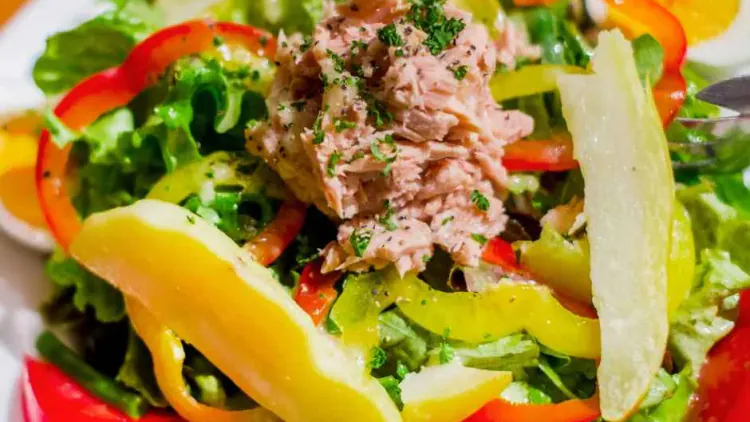
Tuna salad has always existed in this nutritional grey zone beloved by fitness people for its protein content, viewed skeptically by others for the mountain of mayo it sometimes gets buried under. The truth: tuna salad can be genuinely healthy or surprisingly calorie-dense depending almost entirely on how you make it.
The tuna itself is excellent lean protein, omega-3 fatty acids, selenium, vitamin D. What surrounds it is what determines whether you are looking at a 250-calorie, nutritionally complete lunch or a 600-calorie comfort food with diminishing returns. This guide covers the real nutrition, the mercury question that comes up every time, and three recipes that nail the balance between tasty and healthy.
Tuna Salad Nutrition: Healthy Version vs. Classic Deli Style
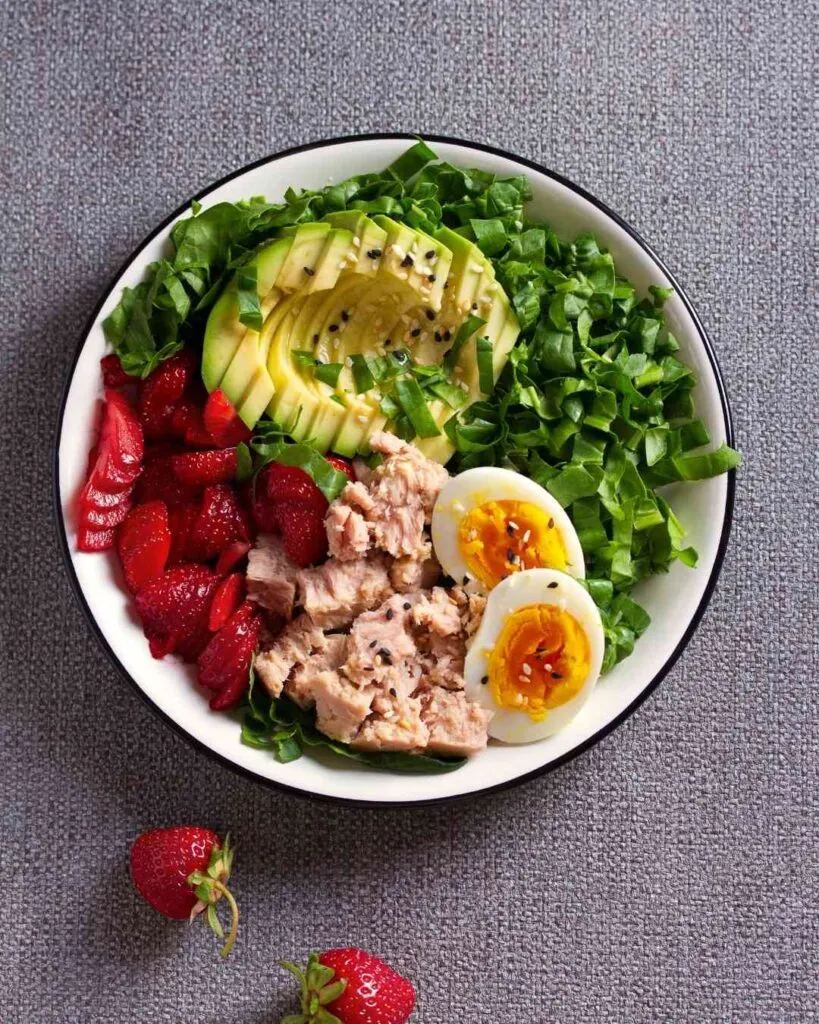
The numbers tell a clear story:
- Healthy version (water-packed tuna + Greek yogurt or light mayo + vegetables + mustard): ~200–250 calories per serving, 25–30g protein, ~8g fat, ~3g fiber
- Classic deli style (oil-packed tuna + full-fat mayo + sweet relish): ~400–500 calories per serving, 20–25g protein, 30–35g fat, minimal fiber
The protein content is comparable, but the calorie and fat difference is significant. The healthy version also wins on satiety per calorie thanks to the fiber from vegetables and the lower overall fat content.
Why Tuna Salad Can Be Excellent for You
High-Quality Protein
A can of water-packed tuna (5 oz / 142g) provides approximately 25–30g of complete protein at about 130 calories. That's one of the best protein-to-calorie ratios of any affordable food. For muscle maintenance, fat loss, or general satiety, few lunches compete with well-made tuna salad on protein efficiency.
Omega-3 Fatty Acids
Albacore (white) tuna provides significantly more omega-3s than skipjack (light) tuna. Omega-3s reduce systemic inflammation, support cardiovascular health, benefit brain function, and improve the omega-3 to omega-6 ratio in the diet which is chronically imbalanced in most Western diets.
Selenium and Vitamin D
Tuna is one of the better dietary sources of both. Selenium is essential for thyroid function and antioxidant defense; vitamin D deficiency is extremely common and linked to immune, mood, and metabolic issues.
Mercury: The Real Facts
Mercury in tuna is a legitimate concern but is often exaggerated for everyday adults. The practical guidance:
- Light (skipjack) tuna: Lower mercury. The FDA considers up to 2–3 servings per week safe for most adults.
- Albacore (white) tuna: Higher mercury than light tuna. The FDA recommends limiting to 1 serving per week for pregnant women and young children; 2–3 servings per week is considered safe for healthy adults.
- Pregnant women and children: Should prioritize low-mercury options and follow current FDA guidelines strictly.
- Healthy adults eating 2–4 cans per week: Mercury intake remains well within safe limits for most people based on current research.
The nutritional benefits of tuna (protein, omega-3s, selenium) outweigh mercury concerns for healthy adults eating it in normal amounts. Excessive daily tuna consumption (multiple cans every day, for months) is where the concern becomes real.
Tuna Salad for Weight Loss
Tuna salad made well is one of the most effective weight-loss lunches you can eat. High protein + moderate calories + adaptable to different textures and flavors = easy to eat consistently without getting bored. The key modifications for a weight-loss-optimized version:
- Use Greek yogurt instead of mayo (or at least a 50/50 blend) saves 50–100 calories while adding protein
- Add lots of crunchy vegetables (celery, red onion, diced cucumber, bell pepper) adds volume, fiber, and texture with minimal calories
- Serve on a large lettuce wrap or cucumber slices instead of bread for the lowest-carb version; use a slice of whole grain bread for a filling, balanced option
- Skip the sweet relish it adds sugar without nutrition; use Dijon mustard for flavor instead
3 Healthy Tuna Salad Recipes
Recipe 1: Classic Light Tuna Salad
- 1 can water-packed light tuna (5 oz), drained
- 3 tbsp Greek yogurt (plain, full-fat)
- 1 tsp Dijon mustard
- 2 stalks celery, finely diced
- 2 tbsp red onion, minced
- 1 tsp lemon juice
- Salt and pepper to taste
Mix all ingredients. Serve in a whole grain wrap or on romaine leaves. ~270 calories, 32g protein.
Recipe 2: Mediterranean Tuna Salad
- 1 can albacore tuna, drained
- ½ cup cherry tomatoes, halved
- ¼ cup kalamata olives, sliced
- ¼ cucumber, diced
- 2 tbsp olive oil
- 1 tbsp red wine vinegar
- Fresh parsley and oregano
- Crumbled feta (optional)
Toss and serve over arugula. ~320 calories, 28g protein, high omega-3 and antioxidants.
Recipe 3: Avocado Tuna Salad (No Mayo)
- 1 can water-packed tuna, drained
- ½ ripe avocado, mashed
- 1 tbsp lime juice
- ¼ jalapeño, minced (optional)
- 2 tbsp fresh cilantro
- Salt, cumin to taste
Mix and serve on whole grain toast or stuffed in a bell pepper. ~290 calories, 30g protein, rich in healthy fat.
Eat Healthy, Live Well