Is Broccoli Healthy? Benefits, Risks, Nutrition, & How to Eat It
Yes, broccoli is one of the healthiest vegetables you can eat — here's the specific science behind why: sulforaphane, fiber, vitamins C and K, cancer-risk reduction research, keto compatibility, and the few genuine cautions worth knowing.
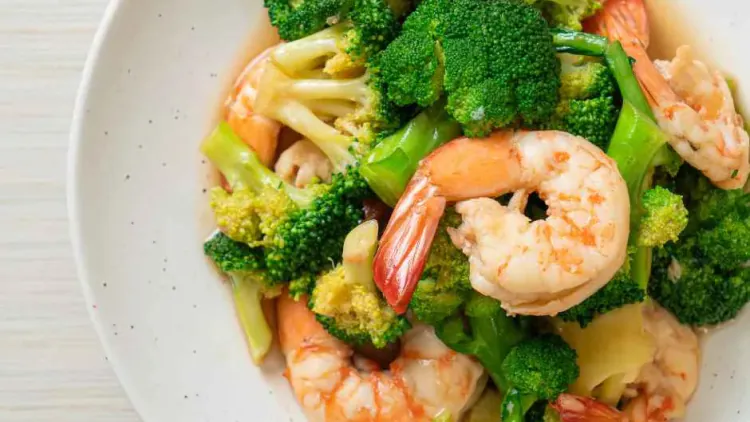
In short: yes, broccoli is genuinely, measurably, scientifically healthy. Not in the vague "eat more vegetables" sense, but in the specific "this compound activates detox enzymes, this fiber feeds your gut bacteria, this vitamin covers your daily requirement" sense.
Nutrition authorities worldwide rank it consistently among the top vegetables for overall health impact. Here's the evidence behind that reputation plus honest notes on the few situations where you'd want to be thoughtful about intake.
Core Nutritional Profile (1 Cup Cooked, No Added Fat)
- Calories: ~55 kcal exceptionally low for the volume and satiety it provides
- Net carbs: ~6g very low glycemic load (~2), minimal blood sugar impact
- Fiber: 5g+ excellent for both satiety and gut microbiome health
- Protein: ~4g unusually high for a vegetable (~30% of calories)
- Vitamin C: over 100% daily value full immune and antioxidant coverage in one cup
- Vitamin K: over 100% daily value bone health and blood clotting support
- Folate: 15–20% DV essential for cell division and especially important in pregnancy
- Potassium: meaningful contribution to blood pressure balance
The nutritional highlight you won't find in most vegetables: sulforaphane. This compound forms when you chop or chew broccoli (from a precursor called glucoraphanin), and it activates the Nrf2 pathway one of the most powerful antioxidant and detoxification systems in human biology.
Top Health Benefits With Actual Evidence Behind Them
-
Antioxidant and anti-inflammatory protection
Sulforaphane, kaempferol, lutein, and zeaxanthin collectively reduce oxidative stress and chronic inflammation the background conditions that drive heart disease, type 2 diabetes, neurodegeneration, and cancer development. -
Cardiovascular support
Three separate mechanisms work together here: soluble fiber lowers LDL cholesterol, high potassium balances sodium and helps regulate blood pressure, and sulforaphane reduces vascular inflammation and improves endothelial function. -
Cancer risk reduction
Multiple large observational studies link regular cruciferous vegetable intake especially broccoli to reduced risk of colorectal, lung, breast, prostate, and bladder cancers. In lab and animal models, sulforaphane promotes carcinogen detoxification, induces apoptosis in abnormal cells, inhibits HDAC enzymes (involved in gene expression), and modulates estrogen metabolism. -
Gut and digestive health
Insoluble fiber keeps things moving and prevents constipation. Soluble fiber feeds beneficial bacteria in your colon, which produce short-chain fatty acids (especially butyrate) the primary fuel for colon cells, which also reduces inflammation and strengthens the gut barrier. -
Immune and detoxification support
The exceptional vitamin C content supports white blood cell function. Sulforaphane simultaneously upregulates phase II liver detox enzymes, helping your body process and eliminate potential carcinogens and environmental toxins. -
Eye and bone protection
Lutein and zeaxanthin accumulate directly in the retina, where they protect against blue-light damage and lower risk of age-related macular degeneration and cataracts. Vitamin K, combined with broccoli's calcium and magnesium, supports bone mineralization particularly relevant as bone density decreases with age.
Broccoli Benefits by Group
For Men
- Prostate health: observational links between cruciferous intake and better prostate cell integrity; sulforaphane and indole-3-carbinol (I3C) studied in lab models
- Hormone balance: I3C supports healthy estrogen metabolism
- Cardiovascular: potassium, fiber, B-vitamins, and vitamin C support heart function and collagen synthesis for recovery
For Women
- Bone density: very high vitamin K plus bioavailable calcium and magnesium are particularly valuable post-menopause
- Hormone balance: I3C helps with estrogen metabolism and may ease PMS-related symptoms
- Pregnancy: natural folate content makes it a smart prenatal choice for neural tube defect prevention
For Weight Loss and Keto
- Low calorie density + high fiber = high satiety without adding meaningful calories to your day
- Net carbs per cup cooked ≈ 6g fits comfortably into strict keto and low-carb eating patterns
- Works best with healthy fats (olive oil, butter, avocado) to boost satiety and improve absorption of fat-soluble vitamins
Realistic Cautions (Most People Don't Need to Worry)
Most people tolerate broccoli very well. The complaints that do exist are minor and temporary:
- Gas and bloating: Raffinose (a complex sugar) plus the high fiber content ferments in the colon and produces gas. This is the most common complaint and usually improves as your gut bacteria adapt. Start with smaller amounts, chew well, and cook it lightly to reduce raffinose.
- Thyroid concerns (goitrogens): Raw cruciferous vegetables contain compounds that can theoretically interfere with iodine uptake in very large quantities. This is really only relevant for people with severe, untreated hypothyroidism AND iodine deficiency simultaneously. Cooking almost completely deactivates goitrogens. For most people, this isn't a real concern.
- Blood thinners: Broccoli's very high vitamin K content can interfere with warfarin and similar anticoagulants. The key is consistency don't suddenly increase or decrease your broccoli intake if you are on these medications. Talk to your doctor about a stable intake level.
For the overwhelming majority of people, broccoli's benefits are substantial and the downsides are minimal.
How to Get the Most Out of Broccoli
- Chop it 40 minutes before cooking. This gives the myrosinase enzyme time to convert glucoraphanin into sulforaphane at room temperature before heat deactivates it. One simple habit, meaningful sulforaphane boost.
- Steam lightly for 3–5 minutes. Best overall balance preserves most vitamin C, keeps some myrosinase activity, and improves carotenoid bioavailability compared to raw.
- Stir-fry or roast quickly. Great for flavor. Use a small amount of healthy fat (olive oil works perfectly) to boost absorption of fat-soluble vitamins A, K, and lutein.
- Eat some raw. The highest vitamin C and sulforaphane potential. Excellent in salads, slaws, or with hummus or tahini dip.
- Don't overboil. Boiling leaches water-soluble vitamins into the cooking water. If you toss the water, you lose a significant portion of vitamins C and folate.
A realistic daily target: 1–2 cups cooked, or the equivalent raw. That's achievable, affordable, and based on the evidence one of the highest-return dietary habits you can build.
Quick Verdict
Is broccoli healthy? Yes one of the most evidence-backed vegetables in the human diet.
Is it good every day? Yes it's consistently ranked in the top tier of nutrient-dense foods by nutrition researchers.
Any real risks? Minor and rare. Gas is the most common complaint. Thyroid and blood-thinner concerns apply only in specific medical situations.
The honest summary: broccoli isn't just "a healthy vegetable." It's a case where the science, the real-world outcomes, and the practicality all line up. Cheap, versatile, available year-round, and genuinely impactful at a physiological level. Eating it regularly is one of the simplest, most well-evidenced improvements you can make to your diet.